

For decades, the words “Rust Belt” conjured images of shuttered factories, emptied-out towns, and a region left behind by a globalizing economy. It was a story told so often that many people simply accepted it as permanent. But something is quietly shifting across America’s Midwest, and it’s hard to ignore once you start looking at the numbers.
Billions of dollars in new investment, hundreds of thousands of factory jobs, and some of the most ambitious industrial construction projects in American history are now taking root in states like Ohio, Michigan, Indiana, and Illinois. What’s driving it? A potent mix of federal industrial policy, supply-chain anxiety, and a global push to bring critical manufacturing back home. Let’s dive in.
The Numbers Behind the Comeback: Manufacturing Employment at a 15-Year High
Let’s start with the headline figure that probably surprised you. Manufacturing employment in the United States has surpassed its pre-pandemic levels, the first time since the 1970s that the sector has regained all the jobs it lost in a recession. That’s not just impressive, it’s historically significant.
The U.S. manufacturing sector experienced a robust rebound in 2025 as reshoring efforts intensified, with more than 150,000 new manufacturing jobs created since January alone, marking a pivotal shift back toward domestic production in electronics, automotive, and aerospace.
Between January 2020 and March 2025, the U.S. experienced a meaningful increase in manufacturing employment, with industries tied to emerging technologies and domestic investment – including automobile manufacturing, storage battery production, and engineered wood – seeing strong job gains, fueled by policy incentives, supply chain reshoring, and growing demand.
Federal Industrial Policy: The Match That Lit the Fire
Honestly, it’s hard to overstate how much federal legislation changed the game here. Real manufacturing construction spending has doubled since the end of 2021, in a supportive policy environment created by the Infrastructure Investment and Jobs Act, the Inflation Reduction Act, and the CHIPS Act, each of which provided direct funding and tax incentives for public and private manufacturing construction.
According to Deutsche Bank Research, 18 new chipmaking facilities started construction between 2021 and 2023. The Semiconductor Industry Association reports that over 50 new semiconductor ecosystem projects were announced in the wake of the CHIPS Act. Think of it like a starter pistol going off across the industrial Midwest at once.
Over the first eight months of the second Trump Administration, companies announced over $1.2 trillion in planned investments toward expanding U.S. production capacity, adding onto the more than $750 billion in U.S. manufacturing investments announced under the Biden Administration. The policy story, in other words, crosses administrations and party lines.
The Factory Construction Boom: A Record Nobody Saw Coming
Here’s where things get really striking. For the whole year 2024, construction spending on manufacturing plants came in at an estimated $234 billion, up by about 21 percent from 2023 and up by 186 percent from 2021. In the seven years between 2015 and 2021, factory construction spending had flatlined at about $80 billion per year.
According to federal data, total construction spending on manufacturing in the United States reached a record high of roughly $240 billion in August 2024. To put that in perspective, that’s nearly triple the pace seen throughout most of the previous decade.
Total private construction spending on manufacturing in the United States increased three times over, from $76.2 billion in January 2021 to nearly $230 billion in January 2025. As of mid-2025, construction spending on manufacturing accounted for nearly 14 percent of all private construction spending in the country, up from just 6 percent in January 2021. That is a transformation in where and how American capital is being deployed.
Ohio: The New Silicon Heartland Is Under Construction Right Now
If you want to see the future of American industrial ambition, look at Licking County, Ohio. Intel announced it would invest more than $20 billion to build two new factories about 40 miles northeast of Columbus in Licking County, Ohio. Once completed, the factories will create 3,000 Intel jobs and tens of thousands of additional local long-term jobs.
Phase I of Intel’s New Albany project, the largest in the history of Ohio, is expected to create about 3,000 jobs within the company, over 7,000 union construction jobs, and an estimated 10,000 indirect jobs. According to the Ohio State Building and Construction Trades Council, Phase I will generate over 45 million work hours for members of the building trades, with the vast majority of workers being from Ohio.
Amazon, Google, and Microsoft have all declared their intention to build new data centers in the New Albany area or expand existing facilities. In 2023, Amazon Web Services announced plans to spend $3.5 billion to grow its data operations in New Albany, while Google completed a data center in New Albany and announced a $1.8 billion investment to create two more Columbus-area facilities. Ohio is no longer just a manufacturing story. It is becoming a full-scale technology hub.
The CHIPS Act: Billions Flowing Into Midwest Semiconductors
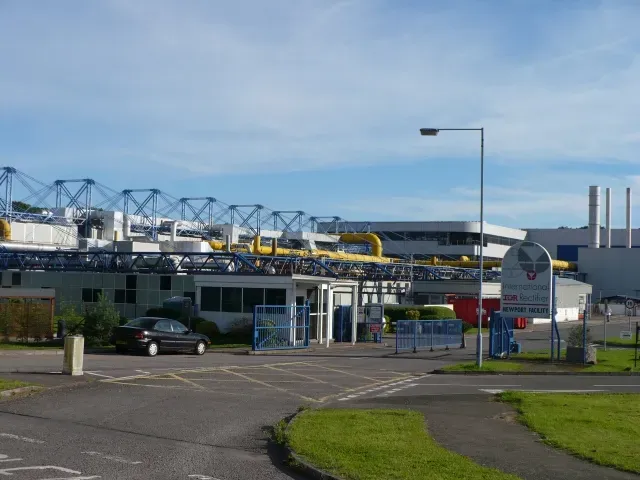
The CHIPS and Science Act of 2022 is not just a law. It’s arguably the single most consequential industrial policy decision the United States has made in half a century. The U.S. Department of Commerce awarded Intel Corporation up to $7.865 billion in direct funding under the CHIPS Incentives Program’s Funding Opportunity for Commercial Fabrication Facilities.
Americans invented the semiconductor, but today produce just 12 percent of the global semiconductor supply, with 75 percent made in East Asia. That lopsided reality is exactly what drove policymakers on both sides of the aisle to back the legislation aggressively.
Midwestern states are now competing for semiconductor investments, leveraging new incentives and educational partnerships to attract major industry players. Indiana, for instance, addressed the talent gap by leveraging its workforce and educational institutions to win major semiconductor projects. In April 2024, Indiana announced an investment of $3.87 billion by SK hynix, expected to add up to 800 new jobs.
Michigan and the Electric Vehicle Revolution
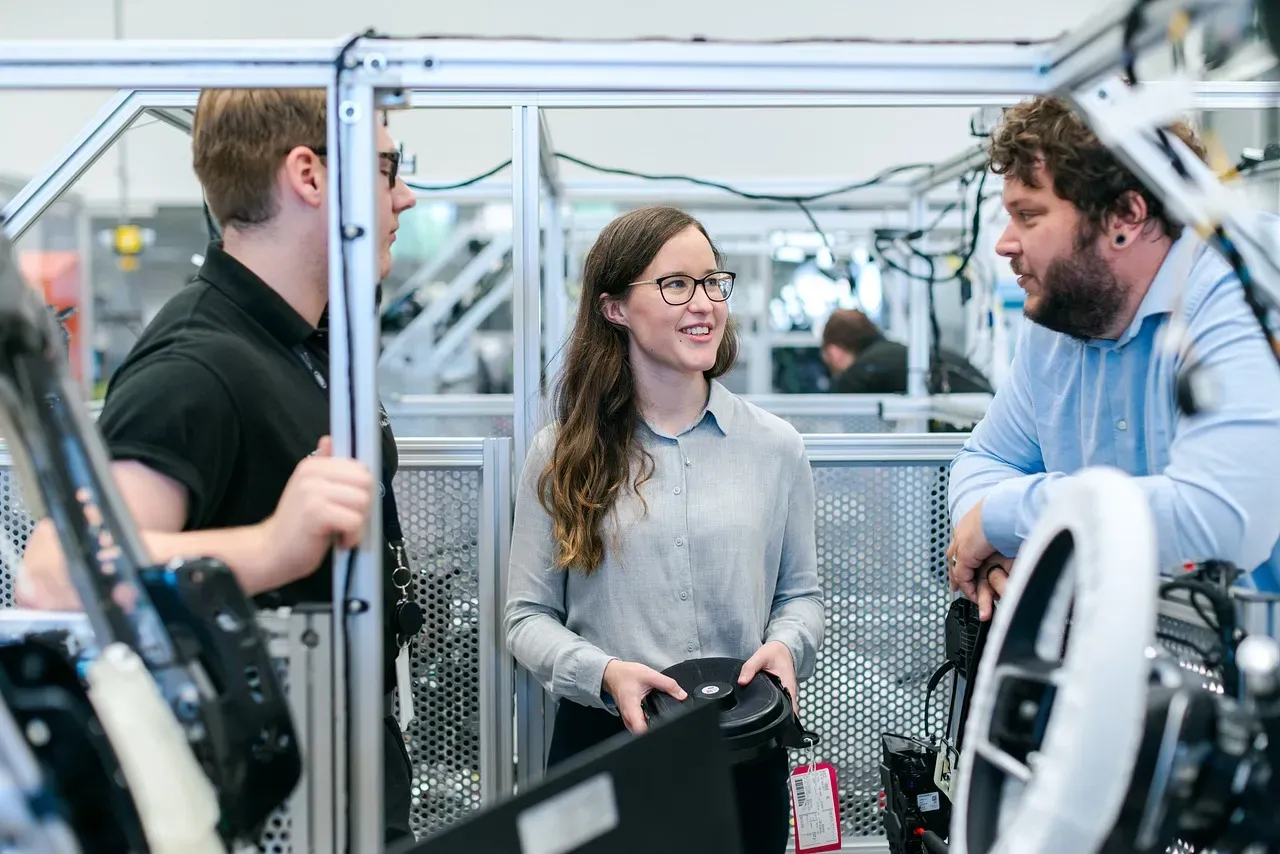
Michigan has always been car country. But the state is now betting its entire economic future on a dramatic pivot toward electric vehicles, and the early signs are genuinely exciting. Michigan has seen over $20 billion in EV-related investment, supporting tens of thousands of created and retained jobs.
General Motors and LG have joined forces and invested $7 billion to build 600,000 electric trucks at a new facility in Orion Township, Michigan, and convert a factory in Lansing, Michigan, to produce electric vehicle batteries. That’s a staggering commitment, and it’s already reshaping local labor markets.
Michigan is the top state in the country for automotive manufacturing and electric vehicle industry investment, according to Business Facilities’ 19th Annual Rankings Report. According to the 2023 Clean Jobs America Report, clean energy businesses in Michigan added more than 5,400 workers in 2022 and now employ nearly 124,000 Michiganders. The transformation of the state’s workforce is already well underway.
Indiana and Illinois: Quietly Joining the Industrial Renaissance

This tag does not indicate the copyright status of the attached work. A normal copyright tag is still required. See Commons:Licensing.
العربية ∙ বাংলা ∙
Bahaso Jambi ∙
Deutsch ∙ Deutsch (Sie-Form) ∙ English ∙ español ∙ euskara ∙ فارسی ∙ français ∙ italiano ∙ 日本語 ∙ 한국어 ∙ македонски ∙ മലയാളം ∙ Plattdüütsch ∙ Nederlands ∙ polski ∙ پښتو ∙ português ∙ русский ∙ slovenščina ∙ svenska ∙ Türkçe ∙ українська ∙ 简体中文 ∙ 繁體中文 ∙ +/−, Public domain)
Ohio and Michigan get most of the headlines, but Indiana and Illinois deserve far more attention than they’re getting. St. Louis, Indianapolis, and Baltimore experienced robust year-over-year growth in manufacturing, and the success of Indianapolis is especially notable, with the metro area having reached its highest number of manufacturing jobs since before the Great Recession.
McLean County, Illinois, is a standout success story among small urban counties, having added 7,100 manufacturing jobs between 2019 and 2023, largely due to a major expansion by a leading automaker. It’s a reminder that this rebound is playing out not just in big cities but in smaller communities that desperately needed it.
Illinois has also focused on semiconductor production, approving the Manufacturing Illinois Chips for Real Opportunity Act (MICRO) program in April 2022, providing strategic benefits to eligible semiconductor manufacturers and those converting existing manufacturing facilities to semiconductor plants. The state is clearly reading the same playbook as its neighbors, and it’s working.
Reshoring and Supply-Chain Security: The Strategic Logic Behind the Boom
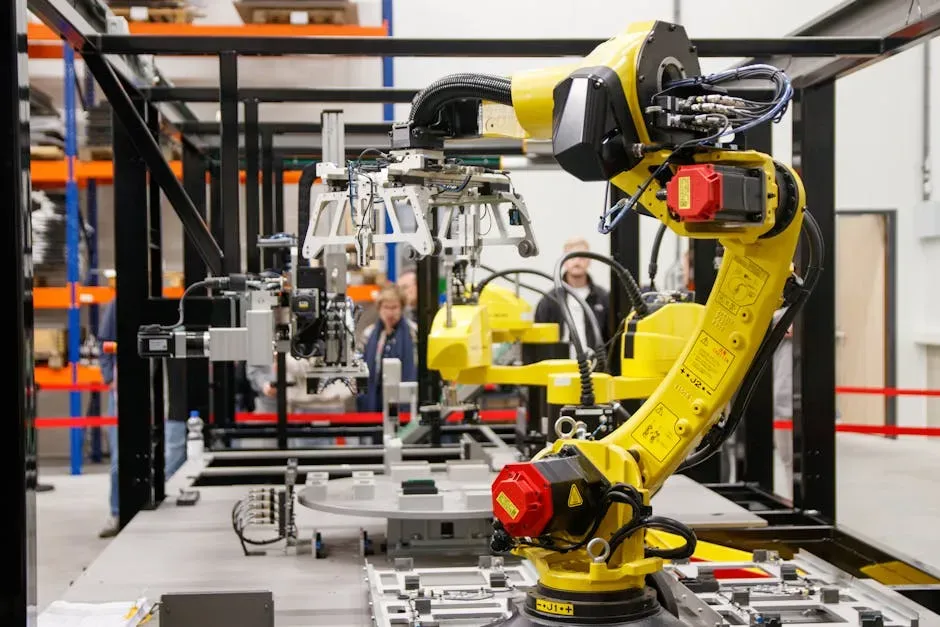
None of this happened by accident. After years of gradual decline and overseas outsourcing, companies are increasingly bringing production back to American soil, driven by a mix of rising global supply chain risks, tariff policy changes, and shifting consumer preferences. The COVID-19 pandemic exposed vulnerabilities in international supply chains, prompting manufacturers to prioritize domestic resilience.
One of the most prominent trends contributing to the sector’s resurgence is the shift toward nearshoring and reshoring. In response to global supply chain disruptions, many companies are prioritizing domestic production or relocating facilities closer to the U.S., a strategy that has not only enhanced supply chain resilience but also stimulated regional economic growth.
The next phase of manufacturing growth will be driven less by high-volume labor and more by specialized, high-skill roles tied to advanced production, automation, materials science, data analytics, clean technology, and supply chain innovation. Regions that invest in technical education, reskilling programs, apprenticeships, and strong partnerships between industry and higher education will be best positioned to capture this new wave of investment. The Midwest, with its dense network of engineering universities and community colleges, has a real structural advantage here.
The Workforce Challenge: A Real and Growing Concern
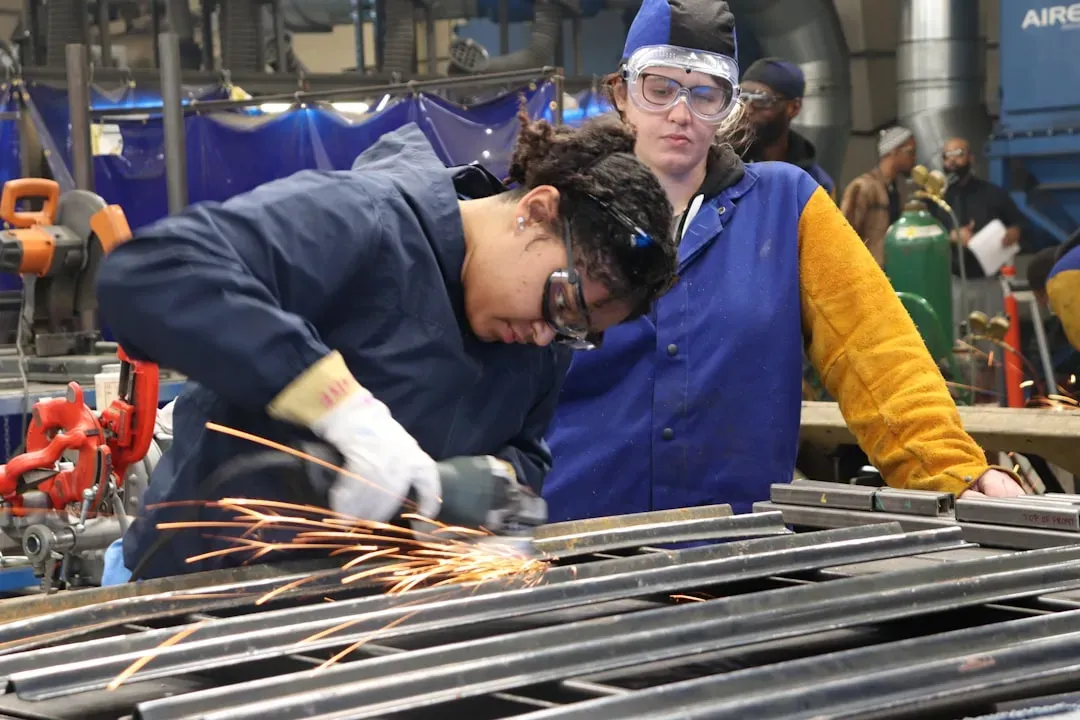
It would be dishonest to tell only a triumphant story here. The rebound is real, but so are the headwinds. The U.S. lacks the workforce required for fulfilling current fab projects, with one study estimating a need for 300,000 additional skilled workers just to complete ongoing projects, not including new ones.
A 2024 report by Deloitte and the Manufacturing Institute warned that workforce shortfalls could lead to 1.9 million unfilled manufacturing jobs by 2033. As of early 2025, there were already nearly half a million manufacturing job openings according to federal labor surveys.
A majority of Midwest manufacturing firms reported raising wages by 3 to 5 percent in 2024, and even after a difficult year, manufacturers broadly said they expected a strong rebound in 2025. Wages are rising, which is genuinely good news for workers. But filling these jobs will require sustained, serious investment in training pipelines at every level of the education system.
What the Data Says About the Road Ahead
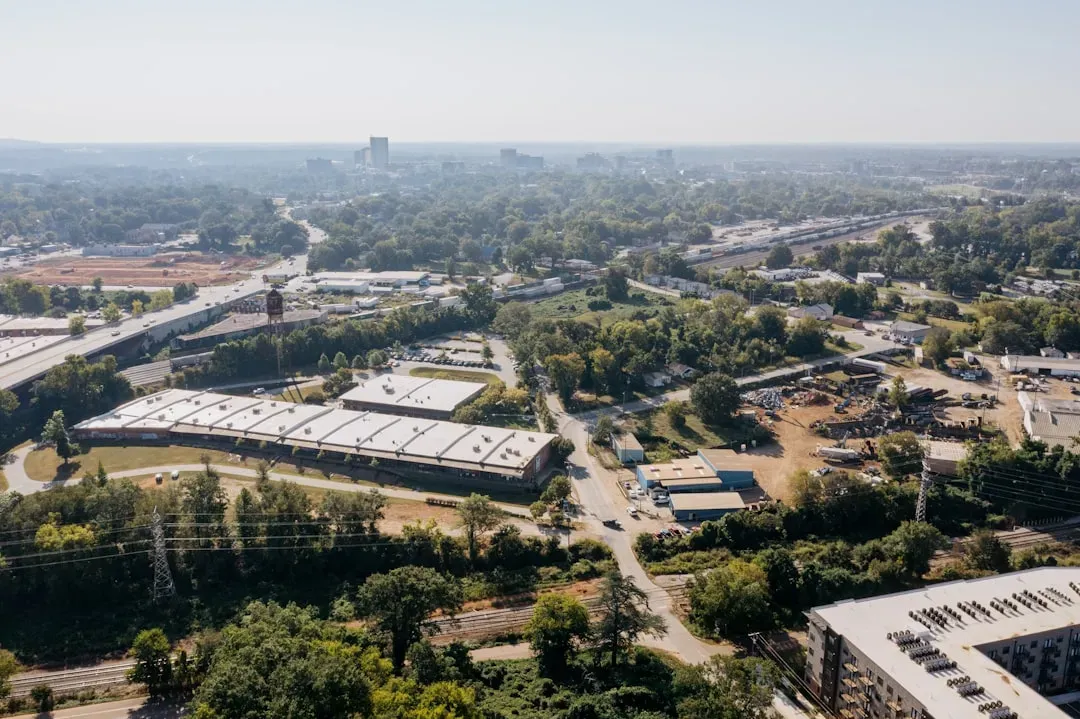
Looking at the evidence holistically, the picture that emerges is one of genuine momentum, though not without complexity. The outlook for 2025 offered a renewed sense of optimism for U.S. manufacturers, with industry-wide forecasts suggesting a roughly 4 percent increase in overall revenues, driven by easing financial pressures and strategic investments in capital infrastructure. Anticipated growth in capital expenditures of around 5 percent reflected a strong commitment to modernization and expansion.
A survey conducted by the Institute for Supply Management revealed that 16 out of 18 manufacturing sectors expected revenue growth in 2025, reflecting widespread confidence in the market’s recovery. That kind of broad-based optimism across subsectors is genuinely unusual and worth paying attention to.
The United States is experiencing a manufacturing resurgence, facilitated by a changing federal policy landscape and a shift toward companies prioritizing supply chain resilience. Whether that resurgence becomes a lasting transformation depends on decisions being made right now, in factories, classrooms, and statehouses across the Midwest.
Conclusion: The Comeback Story Still Being Written
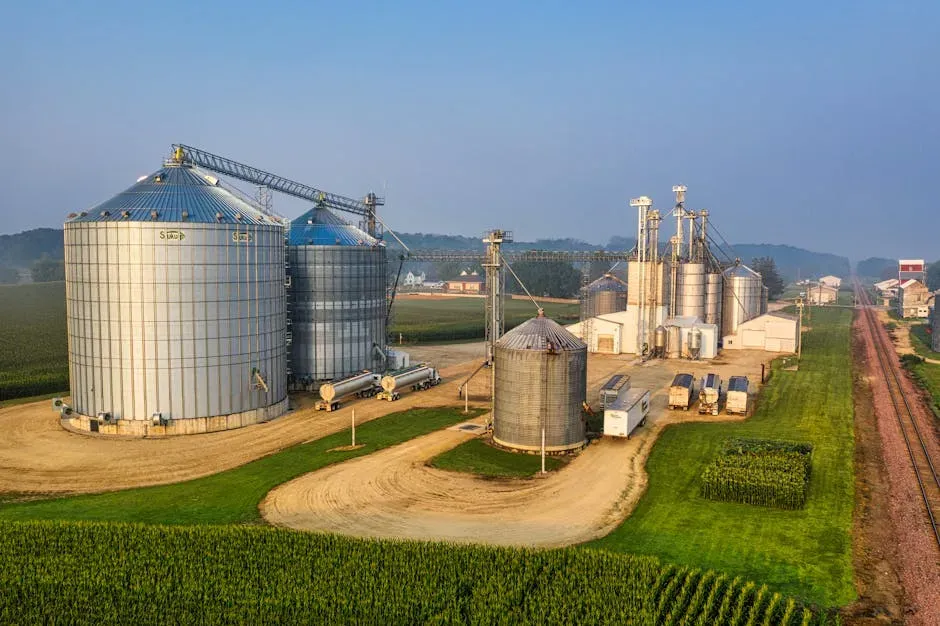
The U.S. Midwest’s economic rebound is real, data-backed, and, in many ways, more ambitious than anything the region has attempted since the postwar era. Semiconductor fabs rising from cornfields in Ohio, battery gigafactories in Michigan, and clean-energy projects reshaping Indiana and Illinois all tell the same story: the region is fighting back, and it’s not doing so quietly.
There are still serious challenges ahead. The workforce gap is not a minor footnote. Trade policy uncertainty can reroute investment overnight. Not every announcement becomes a finished factory. The complexity here is as real as the optimism.
Still, for a region that many had written off entirely, the Midwest is making a compelling case that the next chapter of American industrial history will be written on its ground. The question is not just whether it can sustain this momentum, but whether the rest of the country is paying close enough attention to notice. What do you think – did you expect the Rust Belt to come back like this? Drop your thoughts in the comments.