Retirement used to mean packing up and heading somewhere quiet. Maybe a small town. Maybe near family. Maybe just somewhere warm enough to finally stop wearing a winter coat. For decades, a certain Sunshine State has been pulling at the heartstrings of retirees across the country, quietly reshaping what it means to grow old in America. It’s not just the beaches or the year-round warmth. Something bigger is happening here, something that goes well beyond sunshine and shuffleboard.
Florida has been rewriting the retirement playbook, piece by piece, policy by policy, community by community. The numbers are staggering, the lifestyle innovations are genuinely surprising, and the financial advantages are hard to argue with. If you’ve ever wondered whether Florida is still the king of retirement or just coasting on a decades-old reputation, buckle up. The answer might genuinely catch you off guard.
The Demographic Tidal Wave That Changed Everything

Florida is not just popular with retirees. It is, by any honest measure, the most popular retirement destination in the entire country. U.S. Census Bureau population estimates consistently show Florida leading the nation in net migration of adults aged 60 and older, a trend that has held firm through the early 2020s and shows zero signs of slowing down heading into 2026.
Florida is home to one of the largest senior populations in the United States, with over 21% of Florida’s residents aged 65 or older, and this number is expected to rise in the coming years. Think about that for a second. Roughly one in five Floridians is already retirement age, and the wave hasn’t even crested yet.
America’s largest generations are now in their prime household formation years, and this demographic wave will support strong underlying demand for the next decade, with remote work, lifestyle-driven moves, tax migration, and retirement continuing to fuel relocations to states like Florida. The Sunshine State is not just benefiting from a trend. It is the trend.
Zero Income Tax: The Retirement Math That Actually Works
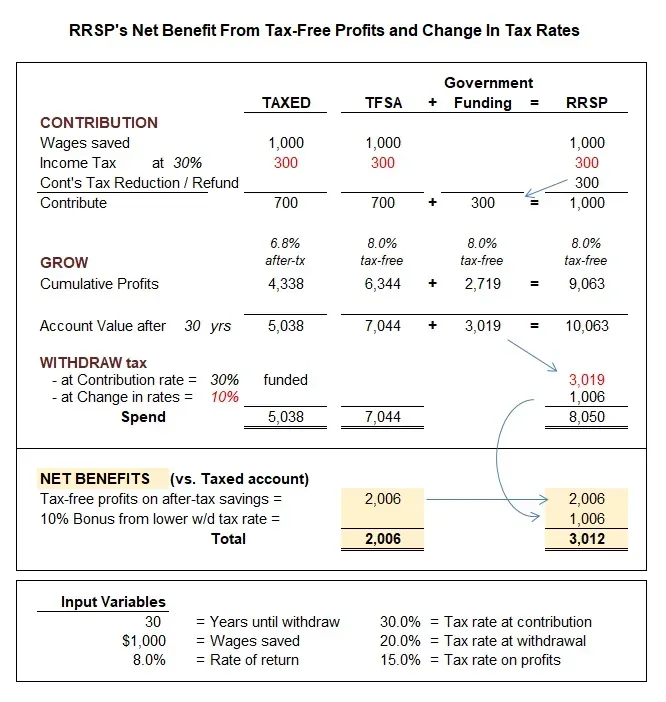
Here’s the thing about money in retirement. Every dollar that doesn’t go to taxes is a dollar that stays in your pocket. Florida figured this out a long time ago, and it remains one of the most powerful financial draws in the country.
Florida is one of the most tax-friendly states for older workers and retirees. It’s one of just seven states that don’t collect personal income tax, allowing residents to benefit from tax-free pensions and retirement pay, along with no state taxes on Social Security or investment income. Florida also doesn’t have an inheritance or estate tax.
Florida continues to be one of the most attractive retirement destinations in the country, and with no state income tax, no estate or inheritance tax and a relatively low overall tax burden, the Sunshine State can offer significant financial advantages for retirees looking to preserve and extend their wealth. For someone on a fixed income, that is not a minor perk. It’s a game changer.
Healthcare Access: A System Built Around Seniors

Honestly, no retirement decision holds more weight than healthcare. It doesn’t matter how pretty the community is or how low the tax rate is if you can’t get to a decent doctor. Florida has made serious infrastructure investments to stay competitive here too.
Florida has a massive network of doctors and hospitals that accept Medicare, a big win, with over 5 million beneficiaries, as the state’s healthcare system is built around senior needs. You’ll find no shortage of Medicare Advantage plans, often with zero-dollar premiums and bundled benefits like dental and vision.
Orlando, for example, is among the cheapest cities for homemaker services and adult day health care, and also ranks high when it comes to gerontologists, home health care facilities per capita and hospitals for geriatrics. The density of senior-focused care in Florida’s major metro areas is, I think, genuinely unmatched in the Sun Belt.
The Villages: A Community That Became a Phenomenon
There is no way to tell Florida’s retirement story without talking about The Villages. What started as a modest mobile home park in the 1970s has grown into something almost impossible to fully grasp in scale. It’s less a community now and more a small city with a very specific demographic.
The Villages is the world’s largest retirement community and has just passed the 150,000 resident mark. The crazy thing is, it is set to double in size over the next 20 years. No other retirement community on Earth comes close to that kind of footprint or ambition.
In 2024 alone, The Villages registered 3,208 new home sales, making it one of the highest-selling communities of any kind in the entire nation. Prices for new homes start in the $200,000s and can go up to over $1 million depending on floorplan, location, and features. It’s a full spectrum community, and that’s a large part of why it works.
Master-Planned Communities: The New Standard in Senior Living

The Villages is the headline act, but Florida’s master-planned retirement scene extends far beyond any one community. Developers across the state have been racing to meet demand with increasingly sophisticated, resort-style living environments that would have seemed like fantasy just fifteen years ago.
Located in Southwest Florida, Babcock Ranch has been designed to help residents live their happiest, healthiest life. Situated on 18,000 acres adjacent to an extensive wilderness preserve, Babcock Ranch features hiking and biking paths, greenways, and lakes. America’s first solar-powered town, it houses an 870-acre solar farm operated by Florida Power & Light, and the entire town is outfitted with fiber optic internet.
In 2025, five of the top ten best-selling communities in the nation were in Florida alone. That statistic cuts through any debate pretty cleanly. When half of America’s most popular new communities are in one state, that state is doing something very, very right.
Smart Tech and Wellness: Not Your Grandparents’ Retirement Home

Florida’s senior housing developers have been listening to what Baby Boomers actually want, and the answer involves a lot more than bingo nights. The physical and technological design of new senior communities has shifted dramatically since 2023, driven by a generation that refuses to slow down.
Many retirees are looking for upscale amenities including resort-style pools, gourmet dining, concierge services, and wellness programs, and developers are responding by creating luxury retirement communities that offer high-end services and modern living spaces. Technology is playing a larger role in senior housing, with smart home features such as voice-activated assistants, fall detection systems, and telehealth services becoming more common, helping seniors maintain independence while staying safe.
More communities are incorporating wellness-focused amenities such as yoga studios, organic dining options, and fitness centers, with mental health and social engagement also being prioritized to ensure a well-rounded lifestyle for residents. It’s less like a retirement community and more like a boutique wellness resort where you happen to own the unit.
The Livable Florida Initiative: Policy Meets Purpose

Florida’s retirement appeal isn’t just accidental. State leadership has been actively pushing policy to support its aging population, and the results are increasingly measurable. This isn’t just feel-good government talk. Real infrastructure is being built and real programs are being funded.
In April 2019, Florida became the 4th age-friendly state in the nation, largely due to the efforts of the Florida Department of Elder Affairs, AARP Florida, and community partners. Since then the “Livable Florida” initiative has continued to grow, embedding aging-friendly principles into city and county planning statewide.
The AARP Network of Age-Friendly States and Communities helps communities turn good intentions into real, lasting improvements that make everyday life easier for people of all ages, especially older adults, equipping local leaders, elected officials, and engaged residents with tools to rethink how their communities support health, mobility, housing, and social connection. Florida is leading the way, with 45 AARP Age-Friendly Members across the state demonstrating what’s possible when communities commit to thoughtful, inclusive planning.
Property Tax Protections: A Hidden Financial Shield
Beyond the headline of zero income tax, Florida has quietly stacked another layer of financial protection under its retirees’ feet. Property tax rules in the state are specifically designed to prevent the kind of runaway cost increases that have blindsided seniors in other housing markets.
The absence of a state income tax adds to the financial benefits for retirees on a fixed income, and the homestead property tax exemption helps limit rising property tax costs, as primary residence properties are capped at a maximum of a 3% increase each year, a huge benefit to homeowners in Florida.
Using Tax Foundation data, Florida’s effective property tax rate was about 0.74%, and the state offers a homestead exemption that can reduce a primary residence’s taxable assessed value by up to $50,000, depending on the property’s assessed value and which local levies apply. That combination of protections is genuinely rare and worth paying attention to.
The Senior Housing Supply Challenge: Can Florida Keep Up?

Let’s be real for a second. Florida isn’t all sun and zero taxes. There are genuine pressure points forming in the retirement market, and ignoring them would be doing retirees a disservice. The demand for senior housing is soaring nationally, and supply is struggling to keep pace.
Senior housing is entering 2026 with the wind at its back, as demand from older adults continues to rise even as development pipelines remain thin by historical standards. Operators and capital providers describe a market that now rewards precision over scale, and affordability for middle-income seniors remains one of the industry’s most pressing unresolved challenges.
Florida faced an underproduction gap of approximately 244,000 housing units as of 2022, according to the 2024 Up for Growth report, with research showing that increasing overall housing supply, especially market-rate production, can help ease affordability pressures. Florida is working hard to close that gap, but the demand side of the equation keeps growing faster.
The Future of Florida Retirement: Longer Lives, Higher Expectations
Retirement in 2026 doesn’t look like retirement in 1990. Longer life expectancy, digital connectivity, and phased retirement models are forcing Florida and the entire senior housing industry to evolve rapidly. The state that was already ahead is now having to run even faster just to stay in position.
Senior living developers and operators are well aware of the demographically-driven demand that is surging and the need to create communities that appeal to the next generations of residents, with Baby Boomers reshaping the industry by demanding greater choice, whether that relates to lifestyle, services offered, or price point.
In 2025, the active adult industry began redefining what it means to age with purpose, blending innovation, community, and lifestyle to create vibrant spaces where residents don’t just live, but thrive. Florida, with its scale, its policy backbone, its tax advantages, and its relentless innovation in senior housing design, is the laboratory where that future is being built right now. The state isn’t just keeping up with the retirement revolution. In many ways, it is the retirement revolution.