
Most travelers believe that a high rating on TripAdvisor or Google Maps is a guaranteed green light for a perfect vacation, but the reality on the ground is becoming a logistical nightmare. While these twelve legendary parks are undeniably iconic, they have become victims of their own digital fame, leading to unprecedented levels of soil erosion, wildlife disruption, and local resentment. Recent data suggests that the “vocal majority” of conservationists and park rangers are now quietly—and sometimes loudly—lobbying for strict entry caps and permanent bans on certain high-traffic zones. Here’s what the insiders actually say about the world’s most suffocatingly popular natural sites.
#12 — Arches National Park, Utah

You likely think a trip to see the red rocks is a serene desert escape, but in peak season, you’re more likely to see a bumper-to-bumper traffic jam than a quiet sunset. The surge in “van life” influencers and social media tagging has boosted attendance to levels the fragile desert crust simply cannot support.
The park has already implemented a pilot timed-entry system, but locals argue it isn’t enough to stop the permanent “bruising” of the landscape. When tourists step off the designated paths to get the perfect shot of Delicate Arch, they destroy biological soil crusts that take decades to grow back.
- The wait time just to enter the gates can exceed three hours without a reservation.
- Parking lots are often full by 7:30 AM, forcing thousands to turn away.
Despite the majestic views, the sheer volume of human waste and litter handled by staff has led to calls for much stricter daily limits. But as crowded as Utah is getting, it’s nothing compared to the regulatory battle brewing at #11…
#11 — Fuji-Hakone-Izu National Park, Japan
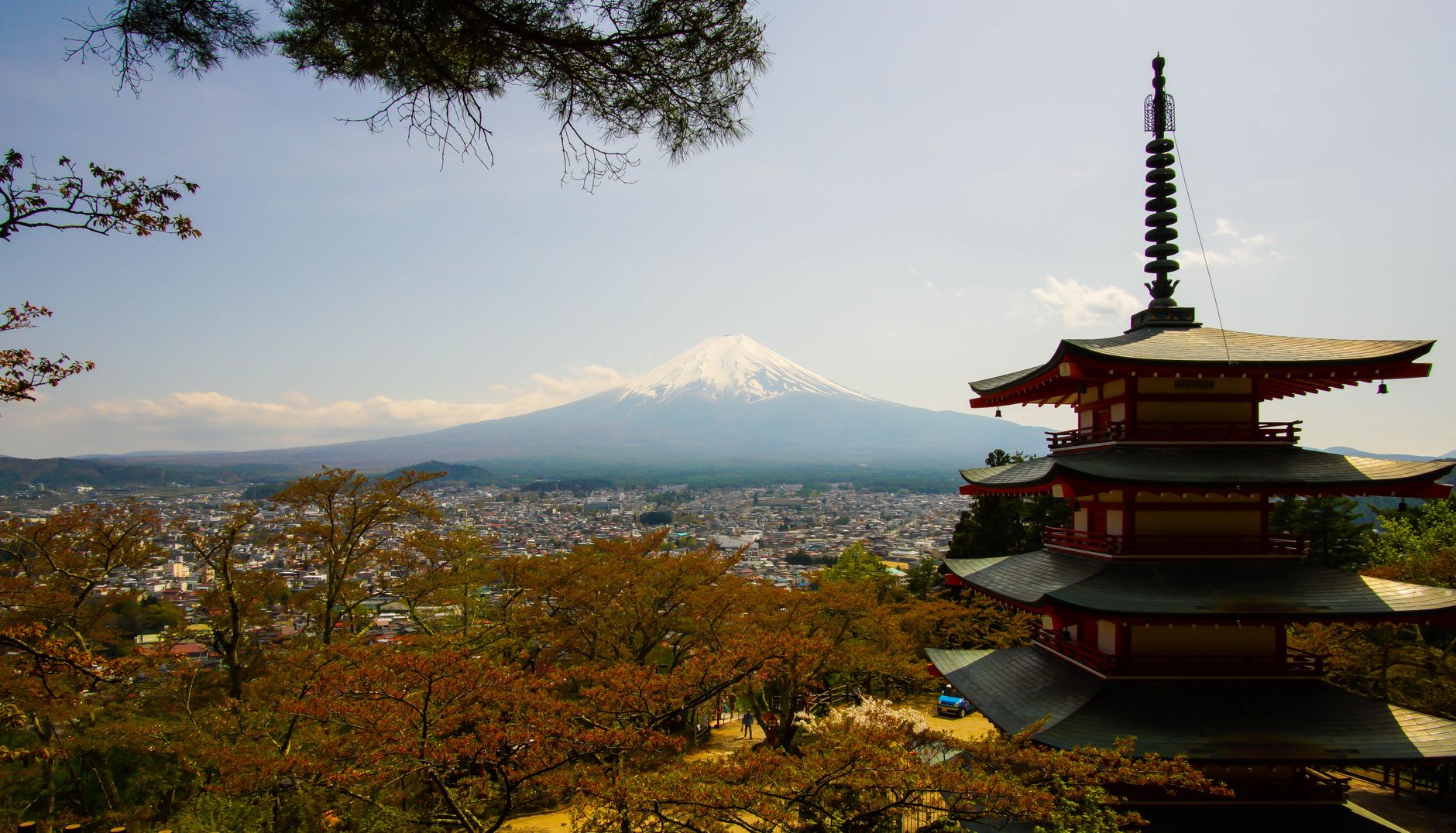
Most people believe Mount Fuji is a spiritual retreat, but at the height of the climbing season, it resembles a crowded subway station more than a sacred peak. The “bullet climbing” trend—where hikers attempt the summit without sleep—has led to a surge in medical emergencies and literal trash heaps left on the slopes.
Japanese authorities recently installed a literal gate and a mandatory fee on the most popular trail to curb the “overtourism” that has turned the mountain into a hazardous playground. It’s no longer about the view; it’s about the fact that the mountain’s infrastructure was never designed to hold four million annual visitors.
- Over 60% of hikers are now considered “unprepared” for the altitude.
- The summit has become so crowded that “human traffic jams” prevent people from descending before dark.
While the new fees are a start, many environmental groups are demanding a total ban on novice climbers during peak weekends. If you think Japan is strict, wait until you see the chaos unfolding at #10…
#10 — Zion National Park, Utah

While Zion is often ranked as the #1 destination in the American Southwest, many experts now argue it’s the biggest waste of time and money in the state during the summer months. The park is essentially a narrow canyon, meaning there is nowhere for the crowds to disperse, creating a “cattle-herd” experience.
The famous ‘Angels Landing’ hike now requires a lottery system just to step on the trail, yet the main canyon remains choked with thousands of visitors. The shuttle system, designed to reduce traffic, often has lines so long that hikers spend more time on asphalt than on dirt.
- The Virgin River has faced recurring toxic cyanobacteria blooms exacerbated by human activity.
- Vandalism on the ancient sandstone walls has increased by 40% in recent years.
Experts suggest that the only way to save the ecosystem is to treat the park like a theater with limited seating, potentially barring thousands of walk-ins. But the situation at #9 is far more precarious for the wildlife…
#9 — Serengeti National Park, Tanzania

Most people assume the Serengeti is a vast, untouched wilderness, but during the Great Migration, the number of safari jeeps often outweighs the number of predators. The “VIP” experience has become a crowded race where drivers break rules to get their clients closer to a kill.
Off-road driving to satisfy tourists has led to massive habitat fragmentation, preventing animals from following their natural migration paths. Researchers have noted that cheetahs, in particular, are losing their kills to scavengers because dozens of idling engines alert hyenas to their location.
- Radio collars have revealed high stress levels in lions surrounded by “jeep circles.”
- Dust from tourist vehicles is coating vegetation, making it unpalatable for herbivores.
Local conservationists are now pushing for “no-go zones” that would ban tourists from the most sensitive breeding grounds permanently. However, that’s a minor issue compared to the structural collapse happening at #8…
#8 — Plitvice Lakes National Park, Croatia

This UNESCO World Heritage site is famous for its cascading turquoise lakes, but the wooden boardwalks are literally buckling under the weight of the crowds. The park was designed for a few hundred visitors a day, not the millions that now flood the walkways every summer.
UNESCO has previously threatened to strip the park of its World Heritage status due to the mismanagement of tourist numbers. The sheer volume of people has led to illegal swimming and water pollution that threatens the very travertine barriers that create the lakes.
- The vibration from millions of footsteps is causing micro-fissures in the delicate rock.
- Wait times for the electric boats can reach up to two hours in the blazing sun.
The “Instagram effect” has made Plitvice a backdrop rather than a nature preserve, leading to calls for a hard daily cap that would turn away 50% of current traffic. But the environmental damage at #7 is even more visible to the naked eye…
#7 — Yellowstone National Park, Wyoming

Yellowstone is the oldest park in the world, and many experts believe it is being “loved to death” by a population that doesn’t respect the rules. The phenomenon of “tourons” (tourist morons) getting too close to bison and grizzly bears has become a viral joke, but the impact on the park’s resources is no laughing matter.
The park’s hydrothermal features are being permanently altered by tourists throwing coins, trash, and even hats into the geysers. These objects plug the vents, cooling the water and killing the unique thermophilic bacteria that give the pools their vibrant colors.
- Repairing boardwalks damaged by illegal foot traffic costs the park millions annually.
- Wildlife “jams” can paralyze park roads for five miles or more.
There is a growing movement among park staff to ban private vehicles in the park entirely, forcing everyone onto a bus system. It sounds radical, but it’s nothing compared to the “total ban” discussions surrounding #6…
#6 — Maya Bay (Phi Phi Islands), Thailand
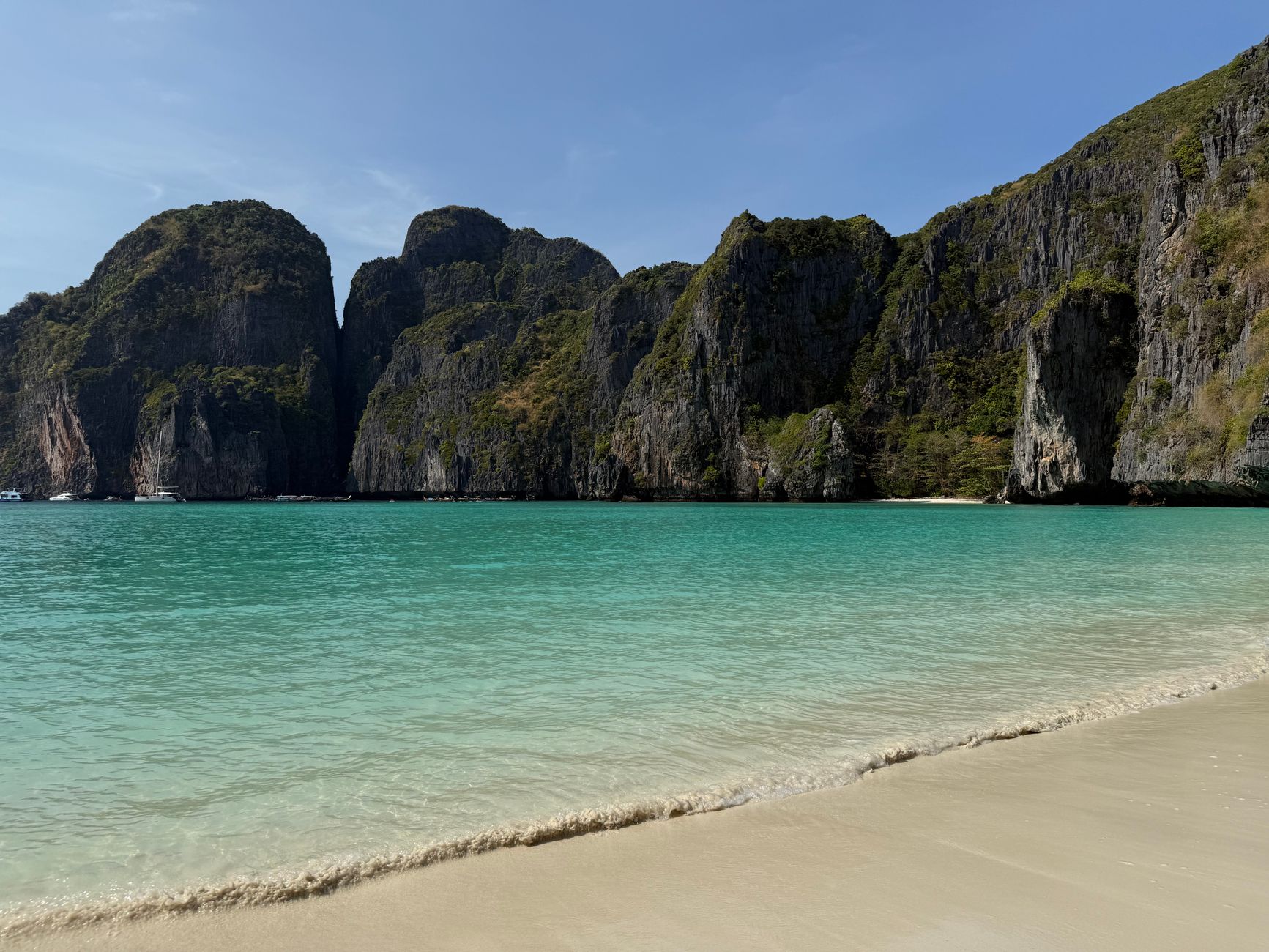
Actually, this park already tried a total ban, and the results were shocking. After being made famous by the movie The Beach, the bay’s coral was almost entirely destroyed by boat anchors and sunscreen chemicals. The Thai government shut it down for nearly four years to allow the ecosystem to breathe.
Turns out, the blacktip reef sharks returned almost immediately once the humans left. However, since reopening with “limited” numbers, the pressure is building again. Many marine biologists argue that even the current restricted entry is too much for the fragile bay to handle.
- Boats are currently banned from entering the bay, but the beach remains packed.
- Plastic pollution from day-trippers continues to wash into the coral nurseries.
The “entry ban” advocates want the bay closed permanently to everyone but researchers. If you think that’s extreme, wait until you hear about the “death-trap” conditions at #5…
#5 — Yosemite National Park, California
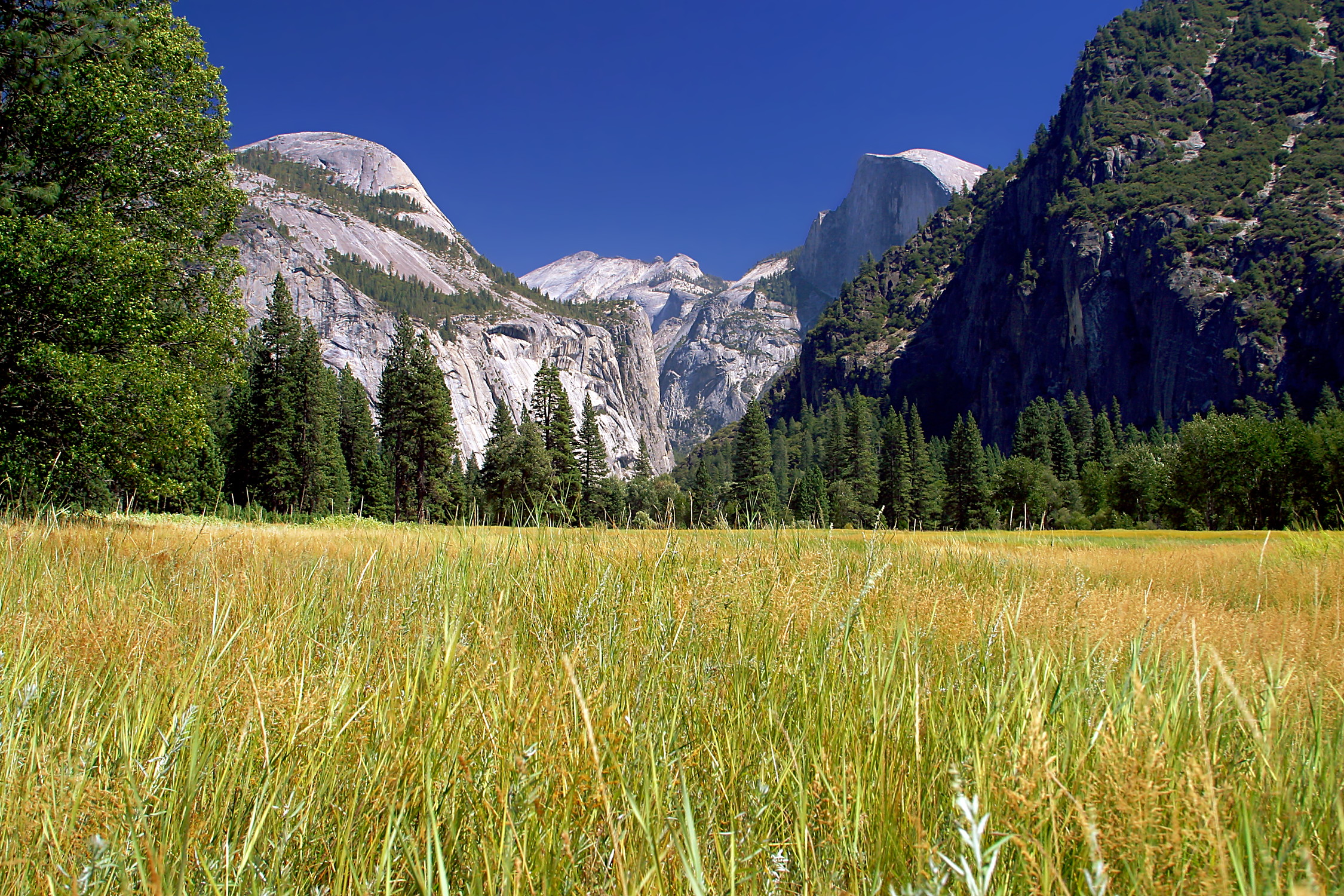
Most people don’t realize that Yosemite Valley is essentially a three-mile-wide cul-de-sac. When 4 million people try to enter that small space, the result is “urban-level” smog and intense gridlock. The park has experimented with reservations, but the backlash from local businesses has created a political firestorm.
The “Mist Trail” and Half Dome cables have become so crowded that they are now considered high-risk zones for falls and injuries due to “crowd panic.” When a thunderstorm hits and 500 people try to descend a single cable at once, the results can be fatal.
- The valley floor often exceeds federal air quality safety limits due to campfire smoke and car idling.
- Local housing for workers is non-existent because tourism has driven prices sky-high.
Experts are calling for a permanent ban on drive-in tourists, suggesting that Yosemite should follow the model of Zion but with even stricter enforcement. But notice how things change when you get to the icy peaks of #4…
#4 — Banff National Park, Canada
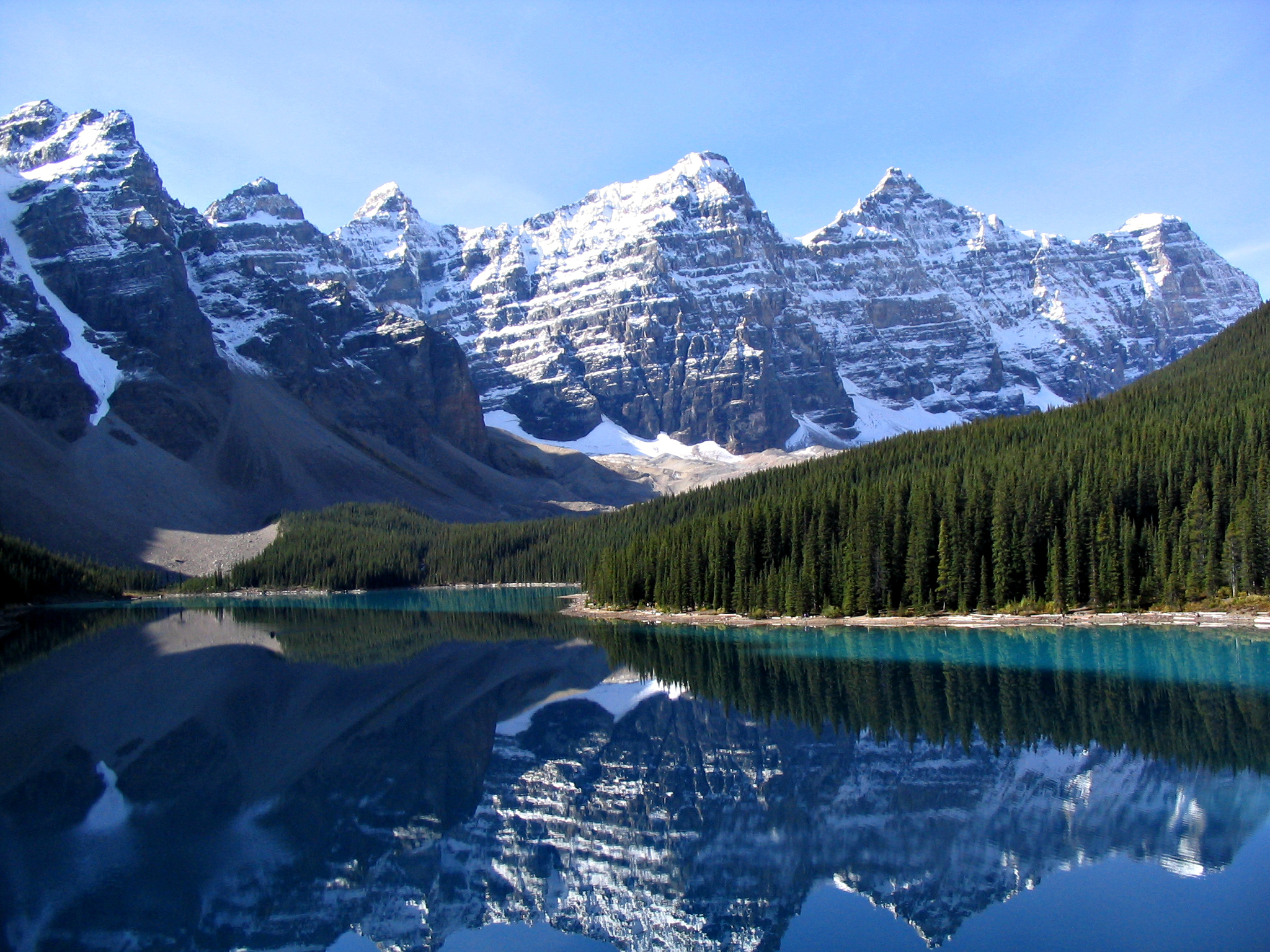
Banff is the crown jewel of the Canadian Rockies, but the Moraine Lake and Lake Louise areas have become so over-saturated that the park has had to ban private vehicles from the Moraine Lake road entirely. This hasn’t stopped the crowds; it has just shifted them onto expensive shuttles.
The “Instagrammability” of the blue water has led to “hit-and-run” tourism, where people drive hours, take a photo, and leave without spending any money in the local economy or learning about conservation. This “low-value” tourism is exactly what park officials want to eliminate.
- Human-wildlife conflict is at an all-time high as bears find “food rewards” in overflowing trash cans.
- The “quiet” trails are now being overrun by high-speed mountain bikers, causing erosion.
The next step, according to some advocates, is a “residency-based” priority system that would favor locals over international tourists. But the stakes are even higher for the ancient structures at #3…
#3 — Machu Picchu, Peru

While it’s technically a “Historic Sanctuary,” this park is the ultimate example of a site being pushed to the brink of collapse. The heavy foot traffic on the stone ruins is literally causing the ground to sink and the ancient masonry to shift.
The Peruvian government has been warned by UNESCO that the site’s structural integrity is failing. They have implemented “one-way paths” and strict time slots, but the “hidden” back-door treks are still dumping thousands of hikers into the site every morning.
- The site is sinking at a rate of several centimeters per year in certain high-traffic zones.
- Illegal tour operators often bypass the permit system, leading to dangerous overcrowding.
Insiders are whispering that the only way to preserve the “Lost City” is to ban entry to the ruins themselves, forcing tourists to view them from a distance. That might sound harsh, but it’s the same logic being applied to the “frozen” world of #2…
#2 — Glaciers of Vatnajökull National Park, Iceland

Iceland’s tourism boom has been so rapid that the infrastructure at Vatnajökull hasn’t kept up. The “ice caves” have become a deadly attraction, with tourists often entering unstable structures without guides just to get a unique photo.
The carbon footprint of the thousands of rental cars driving the Ring Road to get here is ironically accelerating the melting of the very glaciers people are coming to see. It’s a paradox that has environmentalists calling for a heavy “green tax” or a cap on the number of rental cars allowed in the country.
- Search and Rescue teams are being stretched to the breaking point by “unprepared” hikers.
- The delicate moss surrounding the glacier can take 100 years to recover from a single footprint.
If the glaciers continue to recede at this rate, the park may become a “restricted research zone” within the next decade. But no park faces a more controversial “ban” than our #1 pick…
#1 — Grand Canyon National Park, Arizona

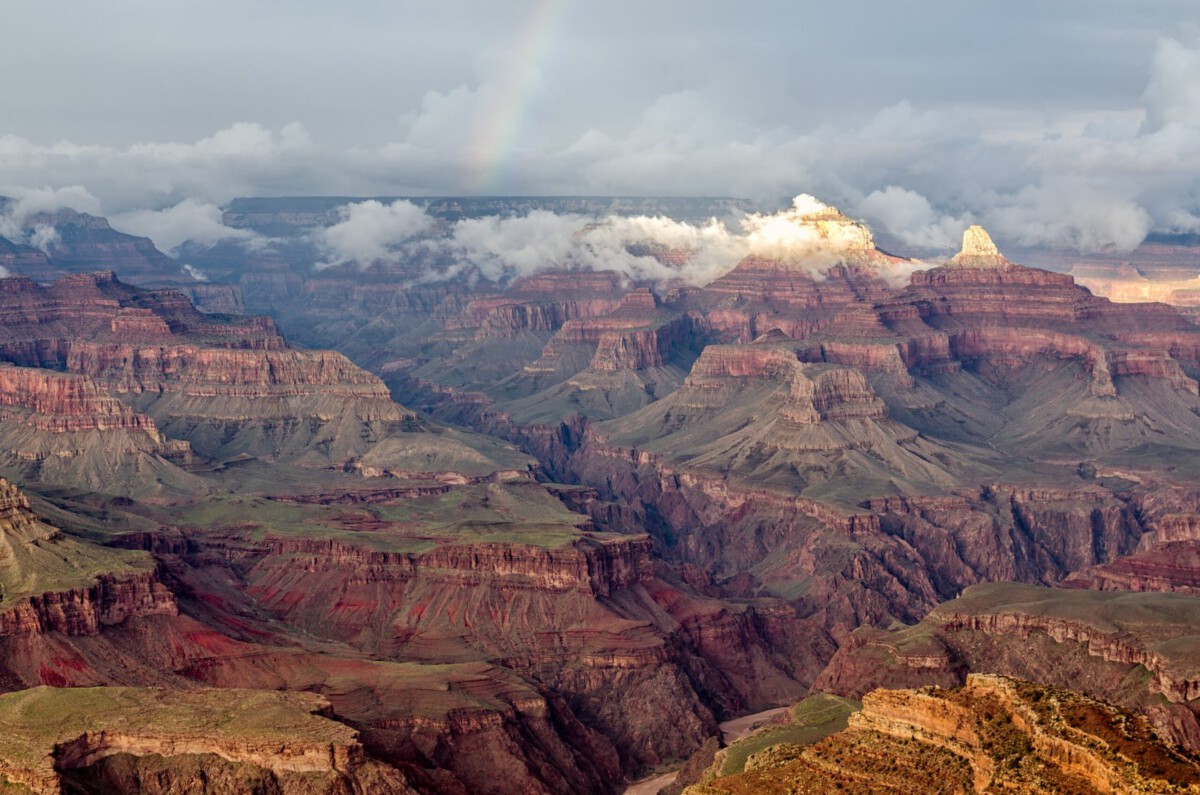
The Grand Canyon is the ultimate American icon, but the South Rim has turned into a theme park. While most visitors stay within 100 feet of their cars, the sheer volume of “human pressure” is destroying the very silence people travel there to find.
The National Park Service is currently struggling with a $20 billion maintenance backlog, much of it centered on the crumbling water pipes and roads at the Grand Canyon. The massive crowds are putting a strain on the Trans-Canyon Waterline that is quite literally at its breaking point. If the water fails, the park will be forced to close to everyone.
- Air tours (helicopters) create a constant “acoustic smog” that disturbs both wildlife and hikers.
- The Colorado River is seeing record levels of human waste contamination from “river-runners.”
Many conservationists are now arguing for a “one-in, one-out” policy, or a total ban on motorized transit within 10 miles of the rim. The goal is to return the canyon to a place of solitude, even if it means 80% of current tourists can never go back.
The Bottom Line
The truth is that these parks are not just vacation spots; they are fragile ecosystems that were never meant to handle the age of the “viral” photo. From the sinking stones of Machu Picchu to the “human jams” on Mount Fuji, the evidence is clear: our presence is changing the very nature of these places. Whether through timed entry, increased fees, or total bans on specific zones, the era of “open access” to the world’s wonders is rapidly coming to a close. Experts agree that if we don’t accept these limits now, there won’t be anything left to see in fifty years.
Do you think these parks should be “closed for their own good,” or is it unfair to limit access to public land? Did we miss a park that’s getting too crowded? Drop it in the comments below.