
We flip switches, open cans, and heat up leftovers without giving it a second thought. It’s kind of wild when you really think about it. The objects we rely on most tend to be the ones we barely notice. They just work. They’ve always worked, or at least as far as we’re concerned, they’ve always been there.
But someone had to dream them up. Someone had to make them real. And more often than not, that someone was an American inventor whose name has mostly faded into obscurity. The stories behind these inventions are surprisingly fascinating. Let’s dive in.
The Electric Plug and Socket That Brought Power to Your Fingertips
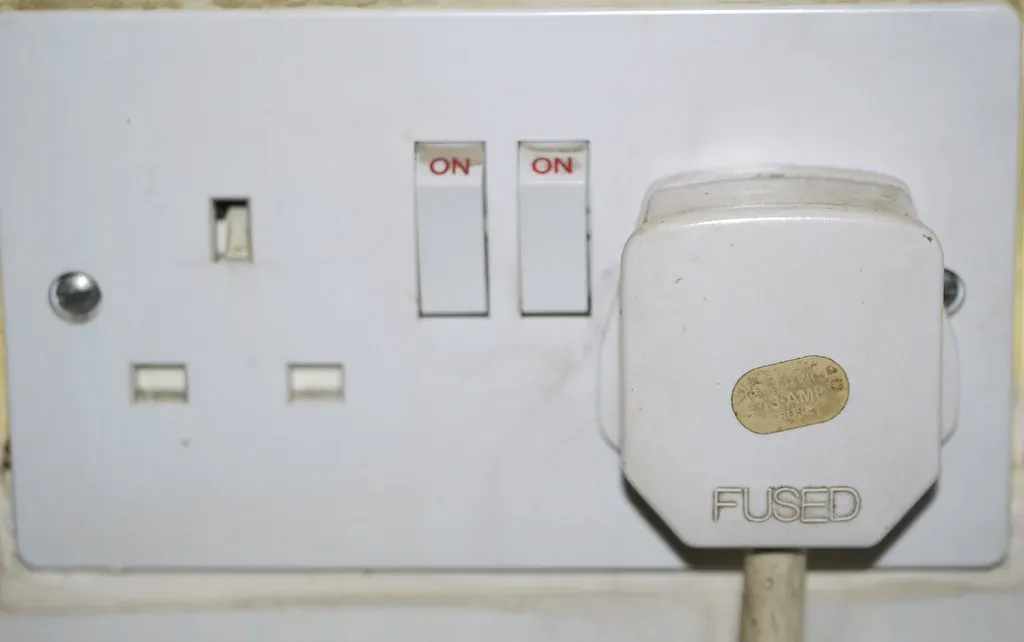
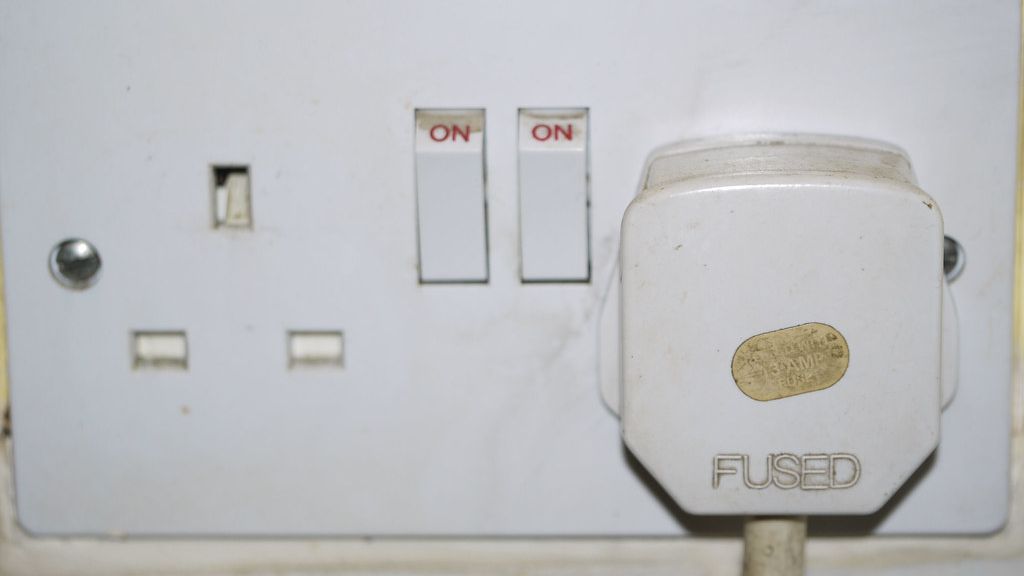
You probably plug something in every single morning. Your phone charger, coffee maker, toaster. Easy, right? Harvey Hubbell invented and patented the early American electrical plug and socket in 1904. Before that, if you wanted to power an appliance, you had to screw it into a light socket. Seriously.
Hubbell’s first plug cap device was patented in 1904, but it wasn’t until 1931 that wall plug receptacles had become common enough that the conversion was effectively complete. His innovation didn’t just make life easier. It changed the way households functioned. In 1916, Hubbell was also granted a patent for a three-bladed power plug, including a ground prong.
That grounded third prong made electricity safer to use. It gave electrical currents a path to escape without shocking someone. Today, Hubbell’s designs are the foundation of nearly every outlet in America. Yet most of us have no idea who he was.
The Can Opener That Finally Made Canned Food Accessible
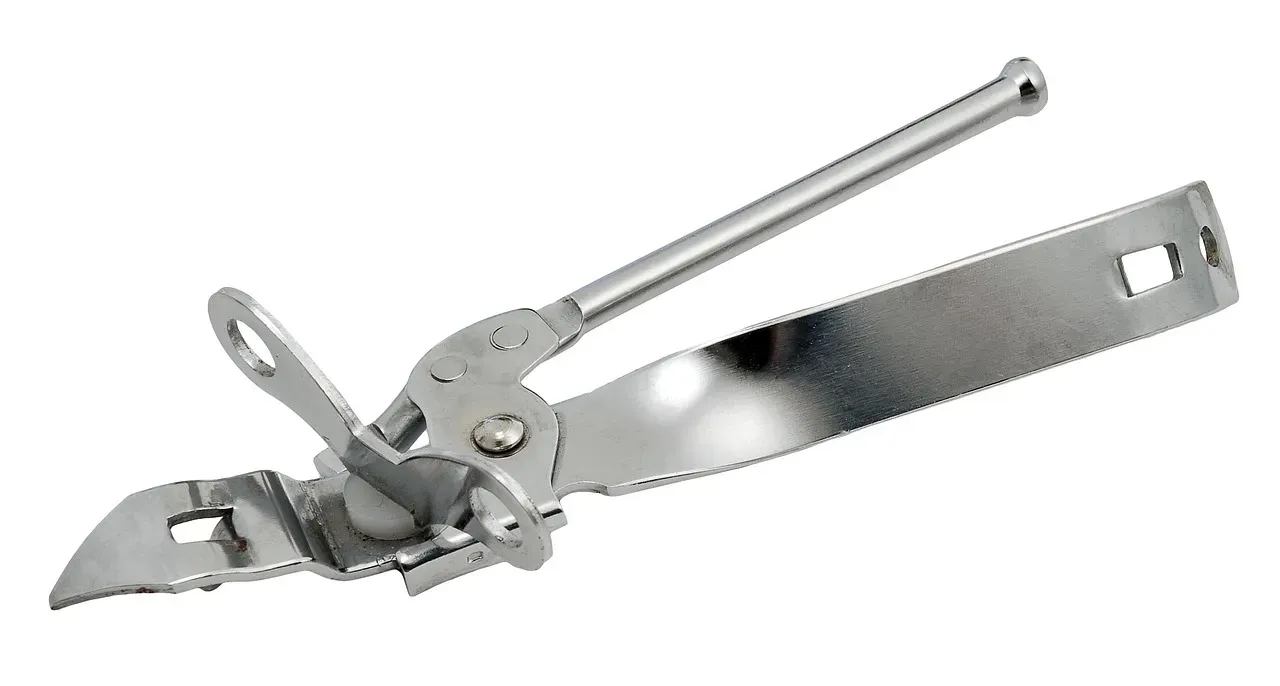
Here’s a head-scratcher for you. Canned food was invented in 1810. On January 5, 1858, Waterbury native Ezra J. Warner invented the first US can opener. That’s nearly half a century later. Think about that. Folks were buying cans of food and then attacking them with hammers, chisels, or bayonets just to eat dinner.
To open tin cans, soldiers used bayonets, while instructions for civilians read, “Cut round the top near the outer edge with a chisel and hammer.” Warner’s design wasn’t exactly pretty either. It was a simple one-handed tool that used a “bayonet and sickle” design to cut through the lid of tin cans.
The biggest success for Warner came when the Union Army adopted his can opener during the Civil War. Storekeepers used it too, opening cans for customers to take home. It wasn’t until decades later that the rotary can opener we know today came along. Still, Warner’s forgotten tool made modern food storage possible.
Blue Jeans Born From Necessity in the Gold Rush
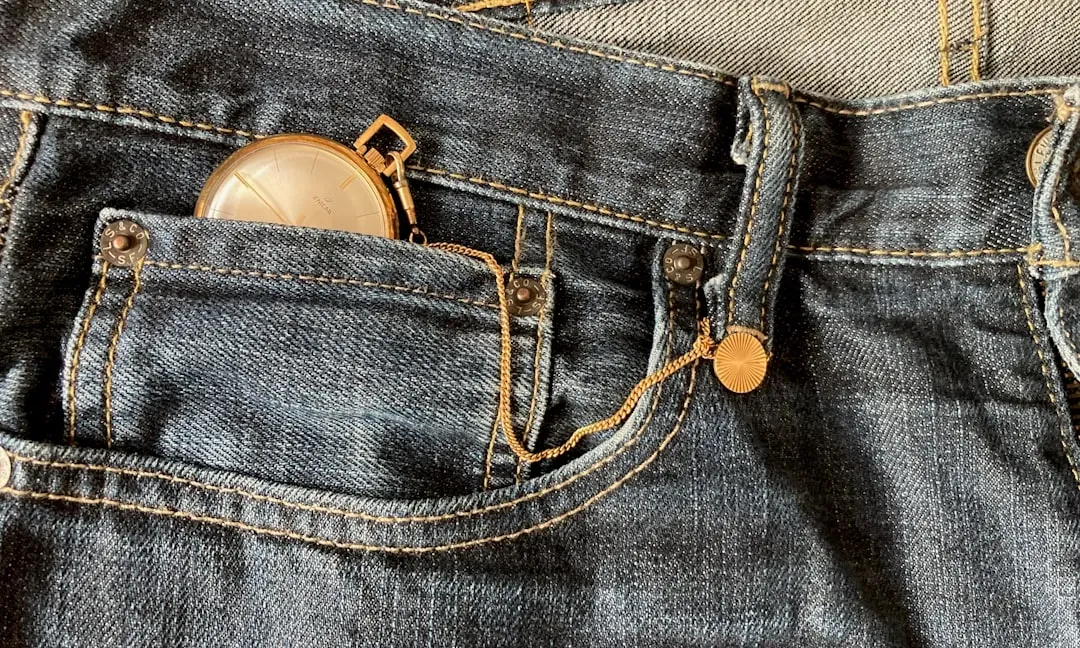
They’re in your closet right now. Maybe you’re wearing them. Blue jeans are as American as it gets, and they started with miners who needed pants that wouldn’t fall apart after a week. Levi Strauss partnered with tailor Jacob Davis in the mid-1800s to create denim work pants reinforced with metal rivets at stress points.
Originally designed for laborers digging for gold in California, these tough trousers became a symbol of rugged individualism. What’s interesting is how they evolved. Jeans went from being purely functional workwear to fashion statements embraced by rebels, then teenagers, then everyone. Today, denim is a multi-billion-dollar global industry.
Yet most people don’t think twice about where jeans actually came from. Strauss and Davis didn’t just invent pants. They invented an entire category of clothing that defines casual style worldwide.
Clarence Birdseye and the Frozen Food Revolution

Clarence Birdseye is credited with inventing in 1924 the quick freezing method, which produces the type of frozen foods that we know today. The idea came to him during a fur trading expedition in Labrador, Canada. He observed Inuit fishermen freezing their catch by throwing it onto surface ice, and recognized that the speed of freezing prevented any frost damage.
Slow freezing creates large ice crystals that destroy food texture. Quick freezing locks in freshness. He marketed the double belt freezer, in which cold brine chilled a pair of stainless steel belts carrying packaged fish, freezing the fish quickly, which is considered by some as the advent of flash freezing.
In 1930, the company began sales experiments in 18 retail stores around Springfield, Massachusetts, with an initial product line featuring 26 items, and consumers liked the new products – this is considered the birth of retail frozen foods. Today, frozen food aisles are a staple in every grocery store. Birdseye transformed how we eat, yet his name barely rings a bell anymore.
Percy Spencer’s Accidental Microwave Discovery
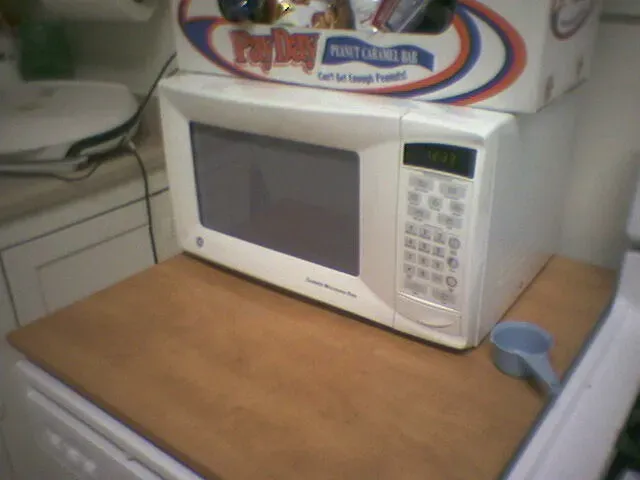
Sometimes the best inventions happen by accident. One day while building magnetrons, Spencer was standing in front of an active radar set when he noticed the candy bar he had in his pocket melted, and he was the first to investigate it. That curiosity led to one of the most common kitchen appliances today.
Raytheon filed a patent application on October 8, 1945, and in 1947, the first commercially produced microwave oven was about 6 feet tall, weighed about 750 lbs, and cost about $5,000. Not exactly practical for home kitchens. By 1975, microwave ovens were outselling traditional gas ranges, and by the mid-1980s, they were present in over half of all U.S. households.
Today, over 90 percent of U.S. households own a microwave oven. Spencer’s wartime radar work accidentally revolutionized cooking. Yet his name is virtually unknown outside of engineering circles. It’s a reminder that some of the biggest breakthroughs come from paying attention when something unexpected happens.
Katharine Burr Blodgett’s Invisible Glass
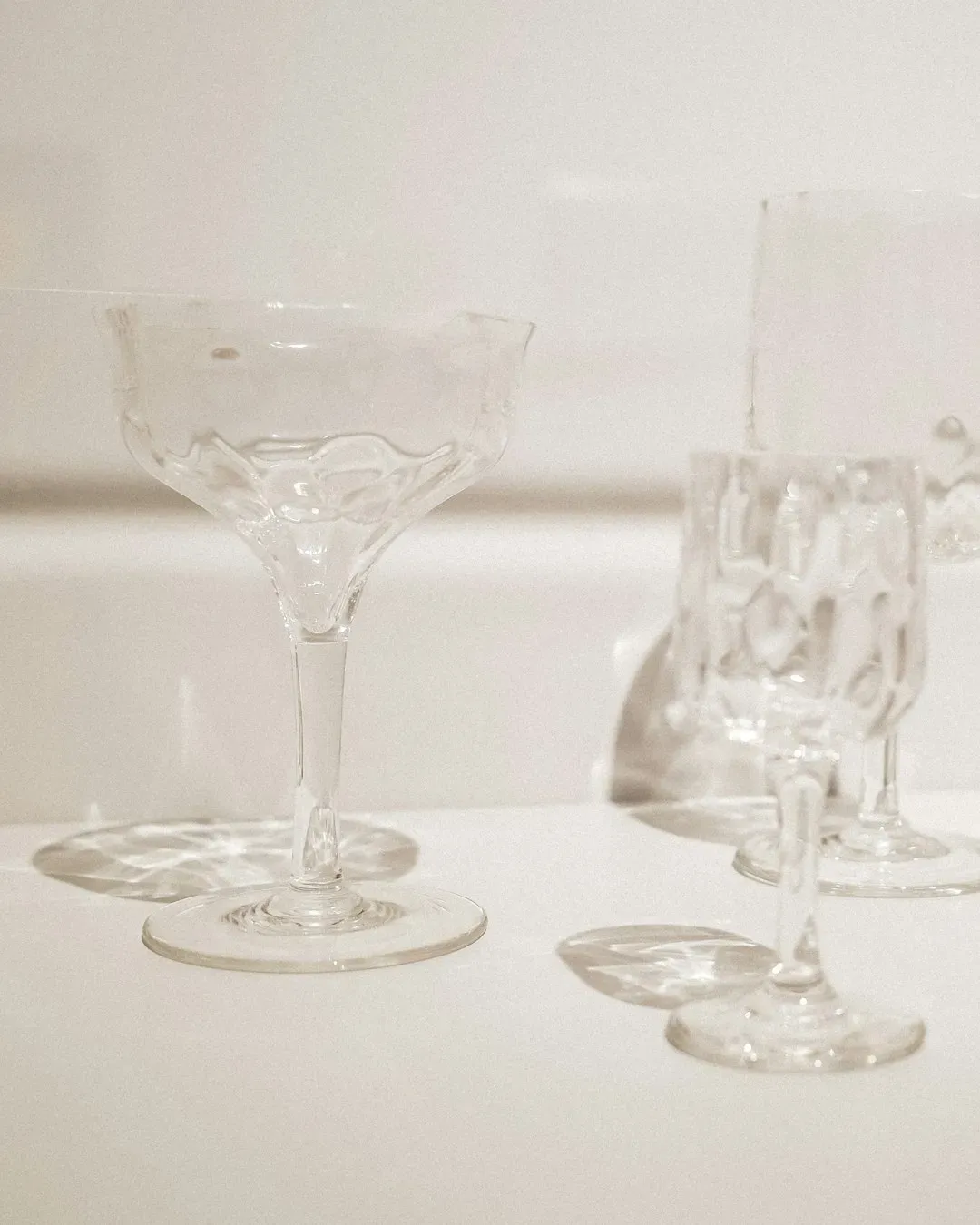
Katharine Burr Blodgett was an American physicist and chemist known for her invention of “invisible” or nonreflective glass while working at General Electric. She was also the first woman to earn a PhD in physics from Cambridge University in 1926. Her invention sounds like science fiction, yet it’s everywhere.
Blodgett used barium stearate to cover glass with 44 monomolecular layers, making the glass more than 99% transmissive, and the visible light reflected by the layers of film canceled the reflections created by the glass. This nonreflective coating eliminated glare and distortion in lenses, screens, and optical devices.
The technique has been used in products including eyeglasses, telescopes, microscopes, windshields, televisions, computer screens, and camera and projector lenses. Gone with the Wind was the first major color film projected through a lens and coating based on Blodgett’s work, and its crystal-clear cinematography floored audiences on its release in 1939. Her innovation shaped modern optics, yet her name remains largely forgotten.
How These Inventions Shaped Modern Life
What strikes me most about these inventions is their invisibility in our daily routines. We don’t marvel at electrical outlets or can openers. We don’t pause to appreciate frozen vegetables or microwave popcorn. These things just exist, quietly making our lives easier in ways we rarely acknowledge.
The people who created them solved real problems. Warner ended the chisel-and-hammer method of opening cans. Hubbell made electricity safe and convenient. Birdseye gave us access to fresh-tasting food year-round. Spencer accidentally discovered a faster way to cook. Blodgett made glass disappear so we could see the world more clearly.
Their contributions are woven into the fabric of modern American life. They represent ingenuity born from necessity, curiosity, and sometimes plain luck. These inventors didn’t always set out to change the world. They just noticed problems and figured out solutions. That’s the real genius.
What’s most remarkable is how these everyday items, once revolutionary, became so commonplace that we forgot where they came from. Maybe that’s the ultimate measure of a successful invention. It becomes so essential that it disappears into the background, taken for granted, invisible yet indispensable. The next time you plug in your phone, open a can of soup, or reheat leftovers, take a second to appreciate the forgotten Americans who made it all possible. Did you ever stop to think about who invented these everyday essentials?