


Mexico: The Relentless Pace of Work
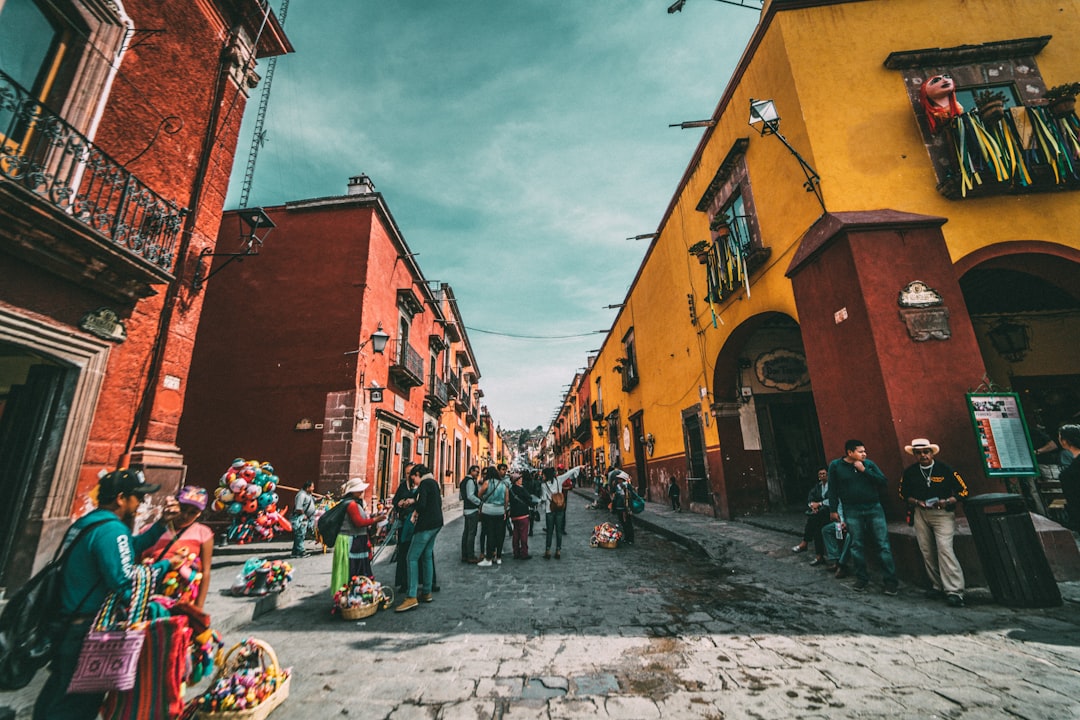
When it comes to clocking hours on the job, Mexico stands out as the country with the longest average workweek in the world. In 2024, the OECD reported that Mexican workers were putting in an average of 43.2 hours per week, far above the global average. This relentless pace is often driven by economic necessity, with many people juggling multiple jobs just to make ends meet. Informal employment is widespread, and these jobs usually come with fewer protections or limits on working hours. Even though the government has started to talk about reforms and better enforcement of labor laws, cultural expectations and the need for extra income keep the hours long. Productivity per hour in Mexico remains relatively low, which means that all those hours don’t necessarily translate into better pay or living standards. Many families rely on the extra hours to cover their basic needs, making the long workweek a deeply rooted part of daily life. The debate about work-life balance continues, but for most, the reality is simply survival.
Costa Rica: Central America’s Hardworking Heart
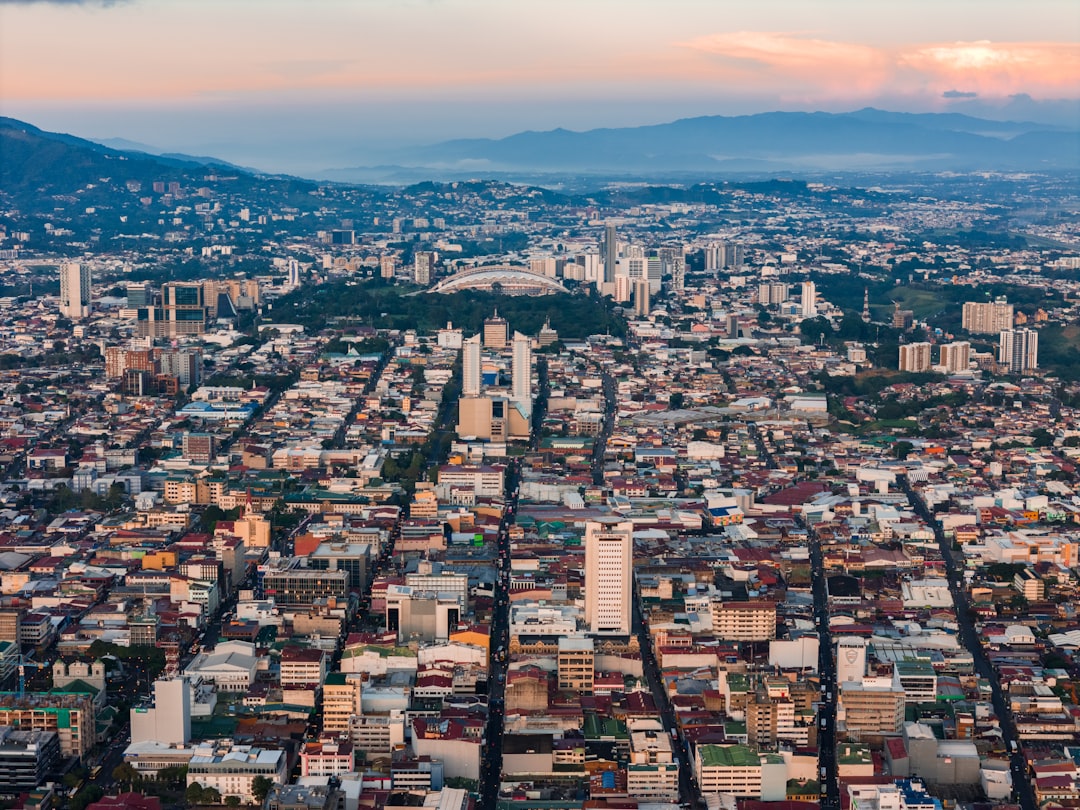
Costa Rica is not far behind, with workers averaging about 42.5 hours per week according to the International Labour Organization (ILO) in 2024. The country’s economy leans heavily on agriculture, manufacturing, and tourism—industries where employees are often expected to work longer hours, especially during busy seasons. Vacation time is less generous than in European countries, and many workers feel the pressure to stay late or take on overtime. While there’s ongoing effort by the government to promote better labor conditions and more flexible work arrangements, changes happen slowly. Many employees still work long hours to meet the demands of their jobs, especially in rural areas where work can be physically demanding. The culture in Costa Rica prizes hard work, and there’s a general acceptance of long days as a fact of life. Despite some improvements in labor law, the workweek remains lengthy for most.
South Korea: The Weight of Tradition and Competition

South Korea is famous for its intense work culture, and even in 2025, that reputation holds strong. The average workweek is around 41.6 hours, as recent labor market surveys have shown. The government previously set a cap of 52 hours per week, but many employees still work overtime, fueled by fierce competition and the fear of falling behind peers. Manufacturing, technology, and finance sectors dominate the economy, demanding high levels of productivity that often spill over into evenings and weekends. Social expectations put extra pressure on workers to stay late, even when their official hours are done. Younger generations are beginning to push back, calling for more personal time and better mental health. Still, the traditional mindset remains powerful in many workplaces, where leaving before your boss is frowned upon. The government continues to look for ways to shift the culture, but progress is slow.
Greece: Long Hours Amid Economic Rebuilding

Greece has faced a challenging path, with its workforce averaging about 40.9 hours per week as of early 2025, according to Eurostat data. The country’s long workweeks are partly a response to years of economic crisis, which left many struggling to find stable, well-paying jobs. Workers in tourism and hospitality, major drivers of the Greek economy, often put in extra hours, especially during peak travel seasons. Earnings have been slow to recover, so many people take on additional hours or second jobs to make up the difference. Labor unions are active and frequently push for better enforcement of the EU’s working hour limits, but there are still gaps between policy and day-to-day reality. The government is gradually updating labor laws, but job insecurity means many are hesitant to demand shorter hours. The culture of working long and hard is still deeply ingrained, reflecting both economic pressures and a determined spirit.
Chile: South America’s Tireless Workforce

In Chile, the average workweek stands at about 40.5 hours, according to 2024 data from the Chilean Ministry of Labor. The country’s diverse economy, from mining to services, often requires employees to put in long shifts and sometimes additional hours. Recent labor reforms have aimed to lower the legal weekly limit from 45 to 40 hours, but in reality, overtime and informal work mean many people still work beyond these limits. Labor market flexibility is slowly increasing, but the pressure for high productivity remains strong. Many Chileans feel that long workweeks are necessary to provide for their families, especially with the rising cost of living. The government is focusing on improving work conditions and encouraging employers to adopt more flexible schedules. However, change is gradual, and many workers continue to face demanding workweeks despite the reform efforts.
Russia: Old Habits Die Hard

Russia’s workforce averaged about 40.3 hours per week in 2024, as reported by the Federal State Statistics Service. The country’s economy relies heavily on energy, manufacturing, and large-scale industry, sectors where long workdays are the norm. The official legal maximum is 40 hours, but overtime—sometimes unpaid—is common, particularly in less regulated regions. Economic uncertainty and a culture that values endurance and resilience keep many Russians working past the standard workweek. The government is encouraging modernization and greater efficiency, but traditional attitudes toward work remain strong. Many workers feel compelled to put in extra hours to secure their positions or increase their earnings. The push for better work-life balance is growing, but it faces resistance from both employers and an older generation that grew up with different expectations.
United States: The Land of Opportunity and Overtime

The United States sees an average workweek of about 39.8 hours, based on 2024 statistics from the Bureau of Labor Statistics. This number might seem less extreme than in other countries, but it masks a culture where working overtime—or even holding multiple jobs—is common. Many Americans receive limited paid vacation, and there’s often an unspoken expectation to be available after hours, especially in white-collar professions. Sectors like technology, finance, and healthcare are notorious for high demands and unpredictable schedules. While there’s growing awareness of burnout and a push for greater flexibility, change is happening slowly. The gig economy and remote work have blurred the lines between work and home, sometimes extending the workweek even further. American workers are productive, but often at the cost of personal time and relaxation.
Turkey: Racing Toward Growth
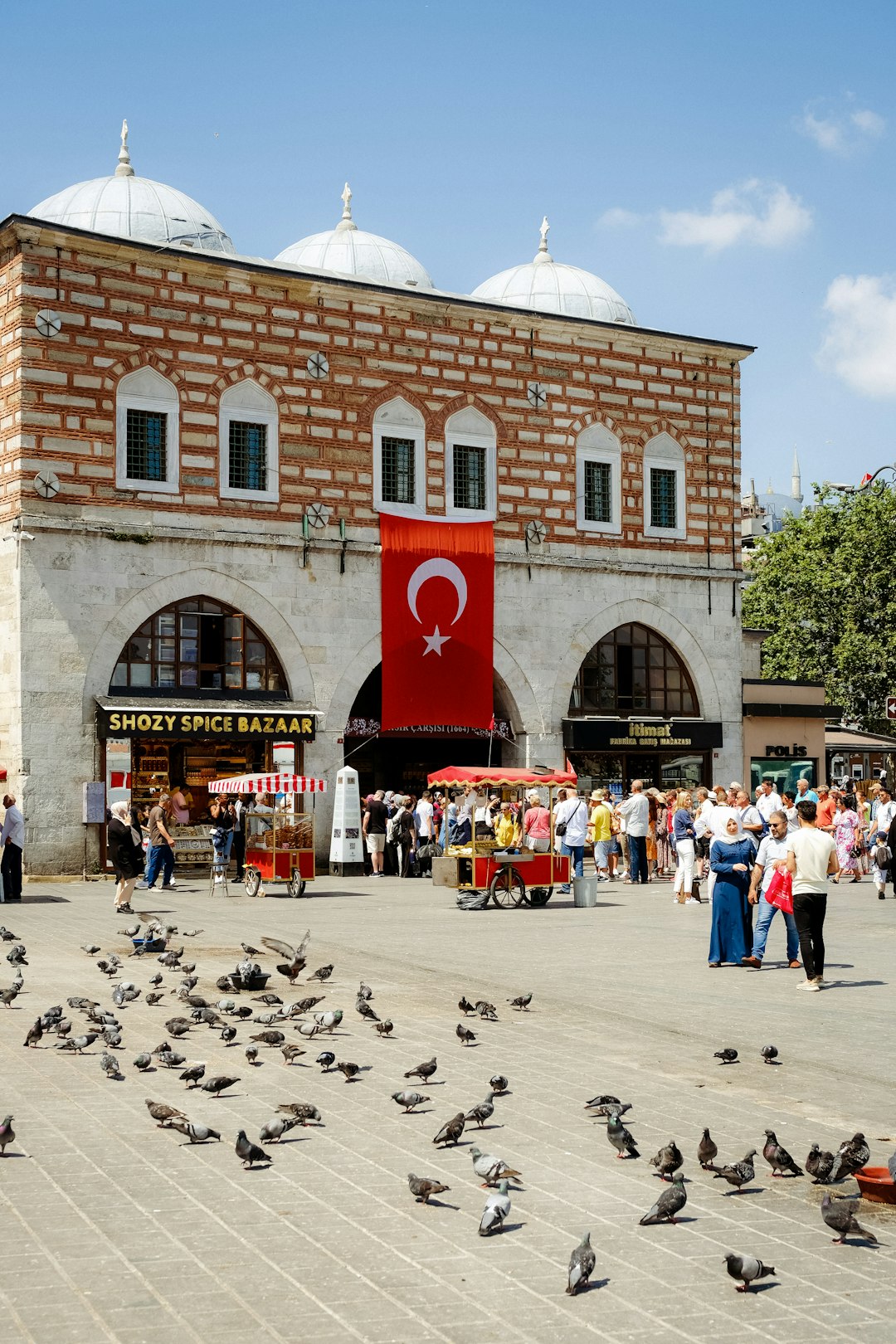
In Turkey, the average workweek is about 39.5 hours, according to 2024 labor statistics. The country’s economic boom, particularly in manufacturing and construction, has fueled a demand for labor that often means long days and frequent overtime. Turkish labor law allows for a maximum of 45 hours per week, but many people exceed this, especially in the private sector or informal jobs. Fast-paced economic growth and high competition for jobs contribute to the culture of long working hours. The government is aware of the issue and has begun introducing reforms, but enforcement is patchy, especially outside major cities. Workers’ rights organizations are vocal in calling for better standards and more rest time. The pressure to get ahead and support family keeps many Turks on the job long after the official workday ends.
Poland: Long Days in a Growing Economy

Poland’s average workweek stands at about 39.2 hours as of 2024, based on Eurostat figures. The country has seen rapid economic growth in recent years, with manufacturing and services leading the way. Workers often put in extra hours, especially in factories, warehouses, and retail. The legal limit is 40 hours per week, but overtime is widespread, and many feel it’s necessary to keep their jobs or earn a decent wage. The government is pushing for more flexible work policies and greater oversight of working conditions. Still, economic momentum and the desire to build a better future mean many people continue to work long hours. There’s a growing movement among younger workers for improved work-life balance, but for now, long days remain the norm for much of the workforce.


