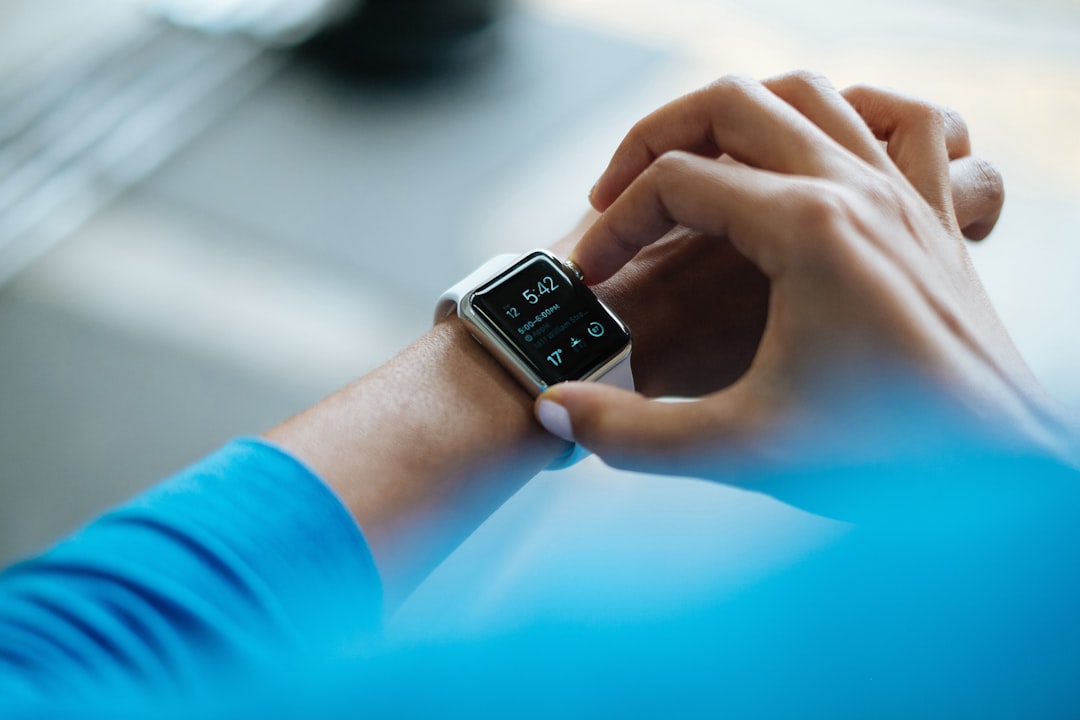


A Surge in Resolution-Driven Tech Adoption (Image Credits: Unsplash)
As the calendar flips to 2026, millions prepare to tackle ambitious fitness targets, from daily step counts to consistent workouts, with wearable tech emerging as a reliable ally in the pursuit.
A Surge in Resolution-Driven Tech Adoption
Fitness trackers have become indispensable tools for those vowing to prioritize health at the start of the year. Experts note that these devices motivate users by providing real-time feedback on activity levels, sleep patterns, and heart rates. In recent years, sales of wearables spiked around New Year’s, reflecting a broader trend toward data-driven wellness. Manufacturers responded by enhancing features like GPS integration and battery life to meet growing demands. This year, options range from sleek wristbands to advanced smart rings, catering to diverse preferences. Users often report higher adherence to goals when tracking progress visually through apps.
The appeal lies in their simplicity; a glance at a screen reveals daily achievements or areas for improvement. Studies from health organizations highlight how such monitoring encourages sustained habits beyond the initial excitement. Still, selecting the right model requires considering lifestyle needs, from casual walkers to marathon runners. Budgets also play a role, with entry-level devices starting under $100 and premium ones exceeding $300. Integration with smartphones ensures seamless data syncing, making the experience more intuitive.
Standout Choices for Everyday Motivation
For beginners aiming to build routines, the Google Pixel Watch stands out with its intuitive interface and comprehensive health metrics. It tracks steps, calories burned, and even stress levels through skin temperature sensors. Recent updates improved its sleep analysis, helping users optimize rest alongside exercise. The device pairs effortlessly with Android phones, offering customizable watch faces to keep motivation high. Priced competitively, it appeals to those new to wearables seeking value without complexity.
Another strong contender, the Fitbit Charge series, excels in battery efficiency and workout variety detection. It automatically logs activities like yoga or cycling, providing insights into recovery needs. Users appreciate the built-in reminders for movement breaks, which align perfectly with resolution-setting mindsets. The companion app delivers weekly reports, fostering a sense of accomplishment. These features make it ideal for gradual habit formation throughout the year.
Advanced Wearables for Deeper Insights
Serious fitness enthusiasts turn to Garmin’s Vivosmart line for robust GPS and VO2 max estimates, which gauge cardiovascular fitness accurately. The device withstands intense sessions, from hiking to HIIT, while monitoring hydration and altitude. Its long battery life supports multi-day adventures without recharging. Integration with third-party apps expands training options, appealing to goal-oriented individuals. Reviews praise its durability and precise data for refining performance.
The Oura Ring offers a discreet alternative, focusing on holistic wellness through finger-based tracking. It measures heart rate variability and body temperature to predict illness or overtraining risks. Without a screen, it emphasizes app-based reviews, suiting those who prefer subtlety. Battery lasts up to a week, and its titanium build ensures comfort during sleep. This ring proves valuable for balancing exercise with recovery in busy schedules.
Navigating Deals and Compatibility
With New Year’s sales underway, discounts on models like the Apple Watch Series make premium tech more accessible. Compatibility remains key; iOS users benefit from seamless Apple ecosystem ties, while Android fans favor Samsung’s Galaxy Watch for similar perks. Consider water resistance for swimmers and screen brightness for outdoor use. Most devices now include fall detection and emergency SOS, adding safety layers. Testing in stores helps assess fit and comfort before purchase.
Subscription models vary; some trackers offer free basics, while others charge for advanced analytics. Evaluate long-term costs against features needed. User forums highlight real-world reliability, from app stability to charging ease. Early 2026 promotions often bundle accessories, enhancing value. Ultimately, the best choice aligns with personal goals, ensuring sustained engagement.
Key Takeaways
- Fitness trackers boost resolution success by delivering actionable data on activity and recovery.
- Beginners should prioritize ease of use and affordability, while athletes seek precision and durability.
- Shop during holiday sales for deals, and verify device compatibility with your smartphone.
Embracing a fitness tracker in 2026 can transform vague intentions into measurable progress, turning the new year into a launchpad for lasting health improvements. What resolutions are you setting, and which tracker might help you achieve them? Share your thoughts in the comments.