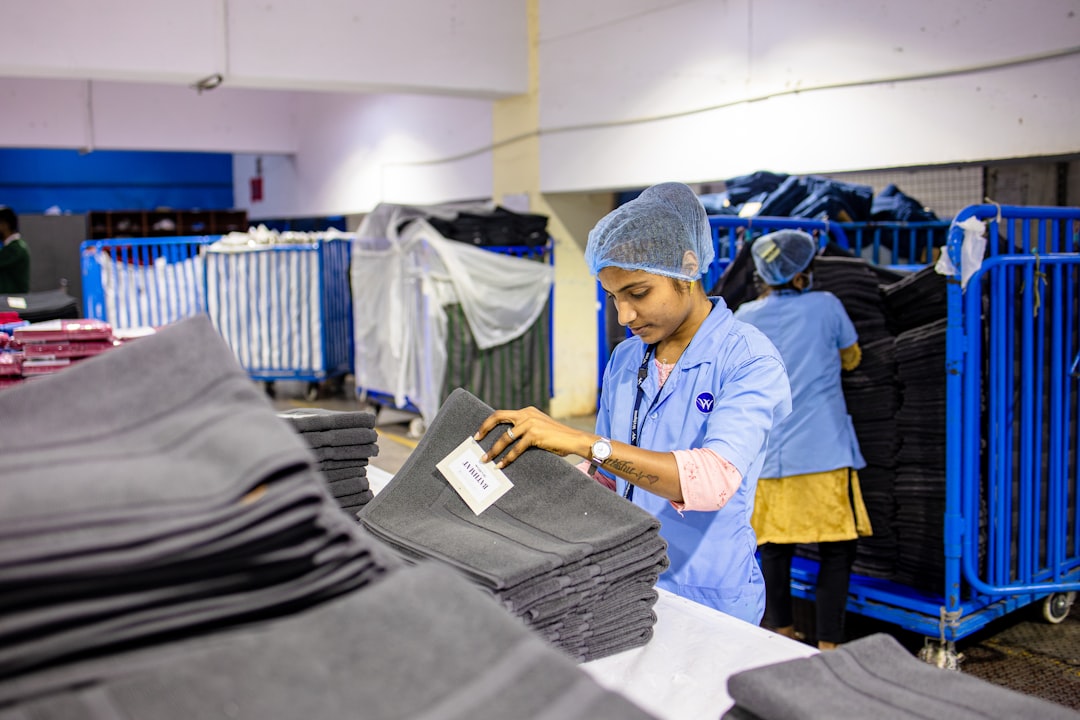
AI Hype Meets Harsh Market Realities (Image Credits: Unsplash)
Across the United States – Career counselors long steered young job seekers toward skilled trades, touting roles in plumbing, electrical work, and manufacturing as reliable escapes from artificial intelligence disruption and paths to solid earnings. The reality unfolded differently. Job openings in these areas plummeted after peaking in 2022, with hiring in manufacturing dropping roughly 40 percent since then.[1]
AI Hype Meets Harsh Market Realities
Skilled trades captured attention as automation reshaped white-collar fields. Experts highlighted hands-on expertise that machines struggled to replicate, from wiring homes to repairing pipes. Political leaders amplified this narrative, pledging a blue-collar revival through tax incentives and protective measures.
President Trump and Vice President JD Vance championed such policies, envisioning a boom in factory and trade jobs. Yet sectors dominated by men, including construction and manufacturing, recorded net losses of about 150,000 positions annually through March. This slowdown persisted despite low layoff rates, signaling caution among employers.[1]
Economic Pressures Eclipse Tech Threats
High interest rates curbed construction projects, a key driver for tradespeople. Persistent inflation squeezed business budgets, while new tariffs elevated costs for manufacturers and maintenance firms. These factors combined to create a hiring freeze in blue-collar industries.
Hiring rates across the economy fell to levels last seen in 2009, when unemployment topped 10 percent. Today, with joblessness around half that figure, companies held back on expansion. Joseph Brusuelas, chief economist at RSM, noted, “There are jobs available. But right now, demand for blue-collar labor is not sufficient to meet the supply.”[1]
Hardest-Hit Trades and Warning Signs
Manufacturing bore the brunt, with openings for welders, machinists, and mechanics sinking to 2018 levels. Electricians and plumbers faced similar constraints, even as retirements thinned ranks. In Portland, Oregon, contractor Jack Marquardt employed a young team at Electric Avenue but sensed broader hesitation among clients.
Pipe fitters and factory workers encountered reduced demand amid factory slowdowns. The shift marked a departure from post-pandemic highs, when openings surged. Employers prioritized retention over recruitment in this cautious environment.
- Manufacturing hiring: Down 40 percent since 2022 peak.
- Construction activity: Slowed by elevated borrowing costs.
- Trade retirements: Created openings, but insufficient to offset decline.
- Overall blue-collar sectors: Net annual losses near 150,000.
- Job openings trend: Plummeted across male-dominated fields.
Gender Divide Highlights Broader Shifts
While trades stagnated, health care and social assistance expanded rapidly, fields led by women. Employment gains for women in 2025 outpaced men by nearly threefold. This disparity underscored how economic currents favored service-oriented roles over industrial ones.
Analyst Joey Politano, who tracks labor data, pointed to Federal Reserve Economic Data for manufacturing trends. The plateau narrowed pathways for young entrants, many of whom eyed trades for debt-free stability. Instead, they navigated a market favoring experience over new hires.
Key Takeaways
- Blue-collar hiring cooled due to tariffs, rates, and inflation – not AI.
- Manufacturing openings returned to pre-boom levels after 2022.
- Retirements offer pockets of opportunity amid overall slowdown.
Skilled trades retain appeal for their tangible skills and resistance to full automation, yet macroeconomic forces have dimmed prospects. Aspiring workers must weigh retiree gaps against tepid demand. What career moves are you contemplating in this shifting landscape? Share your thoughts in the comments.