

A Month-Long Ordeal in Harsh Terrain (Image Credits: Unsplash)
Inyo County, California – Rescue teams have located and recovered a body on Mt. Whitney that authorities believe belongs to a 21-year-old hiker who vanished more than a month ago.
A Month-Long Ordeal in Harsh Terrain
The search for Joseph Brambila began on November 11, when the young adventurer failed to return from a solo hike on the towering peak. Mt. Whitney, standing at 14,505 feet as the highest point in the contiguous United States, draws thousands of climbers each year, but its rugged trails and unpredictable weather often turn challenging. Brambila, an experienced hiker from the Los Angeles area, had documented previous ascents on social media, showcasing daring maneuvers that highlighted his passion for the outdoors. Friends and family grew concerned when he did not check in as planned, prompting an immediate response from local authorities. The initial efforts focused on the popular Mount Whitney Trail, where Brambila’s vehicle was discovered at the trailhead.
Early investigations revealed that Brambila might have attempted a risky descent route known for its steep chutes and exposure to falls. Witnesses reported no sightings of him after he started his journey, and his phone went silent shortly into the hike. The Inyo County Sheriff’s Office coordinated with search-and-rescue volunteers, deploying helicopters and ground teams to cover vast sections of the wilderness. Despite these measures, the operation faced immediate setbacks from deteriorating conditions. As winter storms rolled in, heavy snowfall blanketed the area, forcing teams to suspend active searches multiple times.
Winter Storms Hinder Rescue Operations
By mid-December, accumulating snow had transformed the mountain into a formidable barrier, with depths exceeding several feet in higher elevations. Officials noted that avalanche risks and whiteout visibility made it too dangerous for crews to venture far from established paths. A previous sighting of what appeared to be a body near a treacherous section of trail could not be confirmed due to these conditions. The halt in operations left Brambila’s family in agonizing limbo, as they clung to hope amid the silence from the peak. Community members rallied online, sharing messages of support and urging patience while emphasizing the perils of winter mountaineering.
Experts familiar with the region pointed out that Mt. Whitney’s remote location amplifies the difficulties of such recoveries. The area’s isolation means that even advanced equipment struggles against nature’s fury. In recent years, similar incidents have underscored the need for better preparation, including satellite communicators for hikers. Still, Brambila’s case stood out for its duration, stretching over five weeks before conditions briefly improved. This window allowed teams to resume efforts, pushing forward despite the ongoing threats.
The Critical Recovery Mission
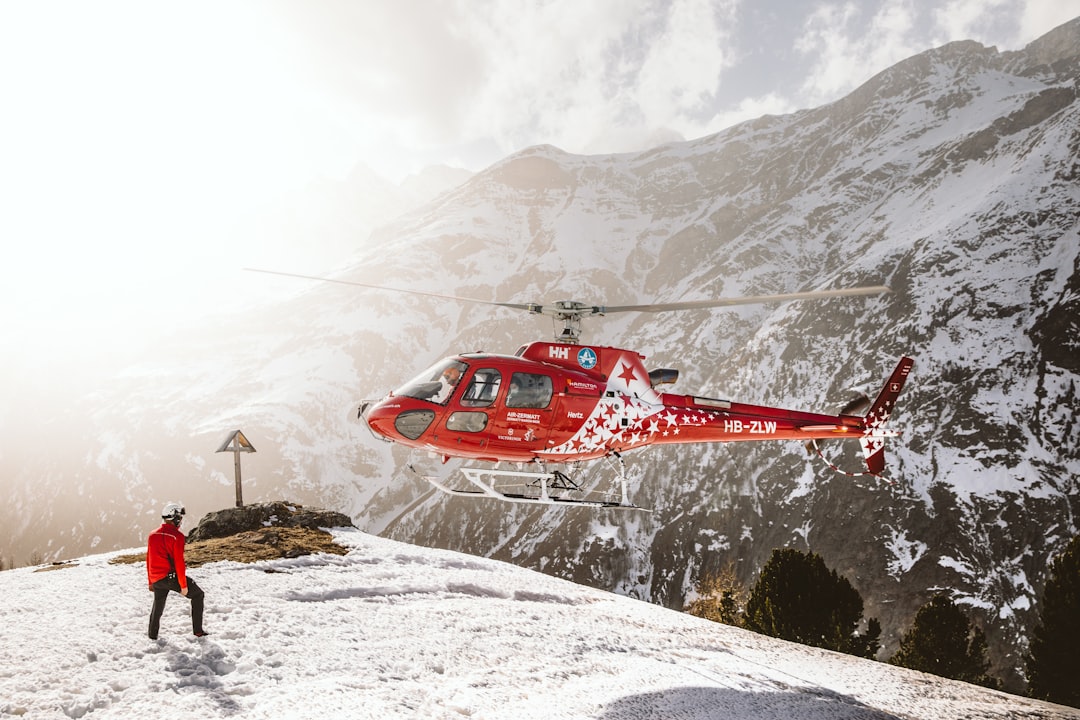
On December 15, a specialized rescue team from the Inyo County Sheriff’s Office reached the suspected site, confirming the presence of a body that matched Brambila’s description. The individual was found in clothing and gear consistent with what he carried, including distinctive items reported missing. Extraction proved arduous, requiring careful navigation over icy ledges and through narrow passages. Medical personnel pronounced the deceased at the scene, though formal identification awaited further processing. The operation marked a somber milestone in the effort, bringing closure to a prolonged vigil.
Authorities expressed gratitude to the volunteers who braved the elements throughout the search. Key factors in the recovery included clearer weather on that day and precise intelligence from earlier drone surveys. The body was transported via helicopter to a staging area for investigation. Preliminary assessments suggested exposure and terrain hazards as likely contributors, though a full report remains pending. This incident serves as a stark reminder of the mountain’s unforgiving nature.
Lessons from a Heartbreaking Search
The recovery has sparked discussions within hiking communities about safety protocols for high-altitude adventures. Organizations like the Sierra Club have long advocated for permits and weather checks, especially during transitional seasons. Brambila’s story highlights the fine line between thrill-seeking and peril on iconic trails. Families of other missing hikers have shared their experiences, fostering a collective push for enhanced rescue funding. As investigations continue, the focus shifts to honoring Brambila’s memory through awareness campaigns.
- Mt. Whitney requires a wilderness permit for overnight stays, emphasizing planning.
- Winter conditions can change rapidly, with snow accumulation halting searches.
- Satellite devices like Garmin inReach provide critical communication in remote areas.
- Local sheriffs’ offices train extensively for such operations, often partnering with national parks.
- Community support plays a vital role in sustaining long-term searches.
Key Takeaways
- The body recovered matches the description of Joseph Brambila, missing since November 11.
- Heavy snow and avalanches delayed efforts for weeks on the 14,505-foot peak.
- This case underscores the dangers of solo winter hikes in the Sierra Nevada.
As the Sierra Nevada heals from this loss, the hiking world reflects on how to prevent future tragedies. What steps can adventurers take to stay safe on peaks like Mt. Whitney? Share your thoughts in the comments below.