The Magic of an Open Kitchen Analogy (Image Credits: Unsplash)
Restaurants with open kitchens draw diners in by showcasing the precision and passion behind every dish. This visibility transforms preparation into entertainment and fosters trust in the final product. High-performing companies mirror this approach, integrating their internal workings with customer-facing operations to create seamless, compelling experiences.
The Magic of an Open Kitchen Analogy
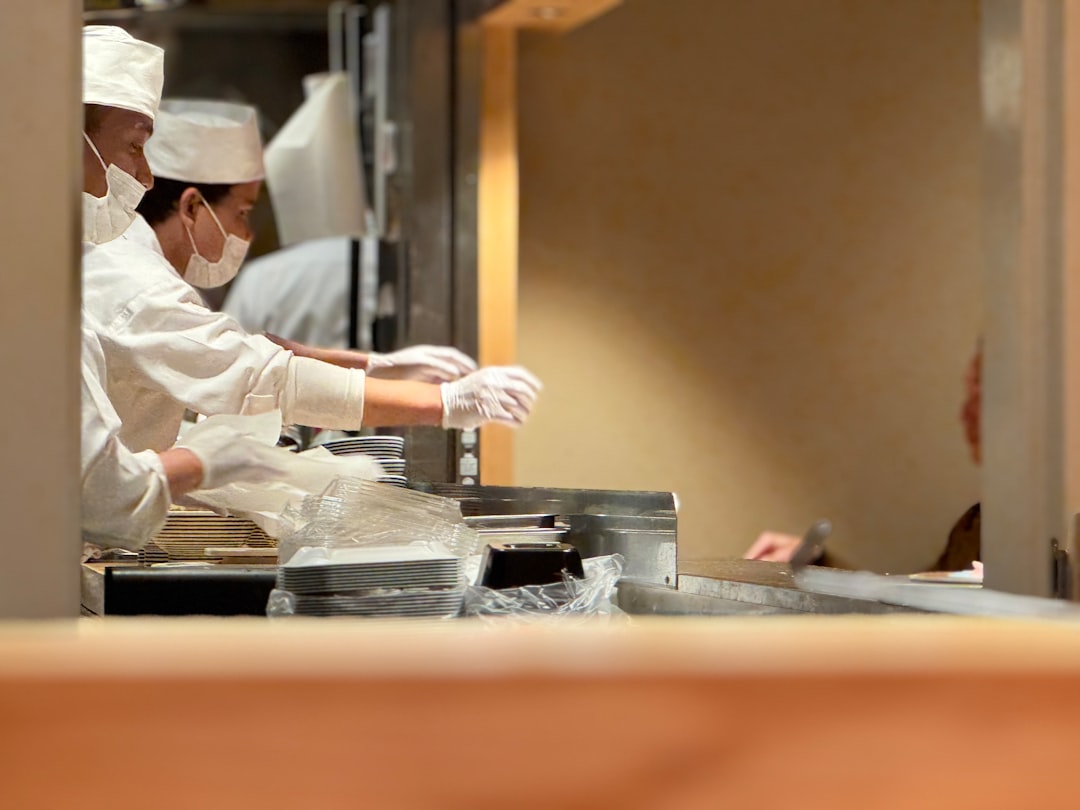
Picture a bustling kitchen where chefs craft meals in full view of patrons. The sizzle of pans and chop of knives become part of the allure, elevating the meal beyond mere sustenance. Organizations that thrive treat their culture similarly, exposing the “backstage” processes that power frontline delivery.
This transparency stems from a core belief system that aligns every action. Rules alone fall short; shared convictions guide behaviors and decisions. When backstage efficiency shines through, it captivates stakeholders and boosts overall results.
Hospitality’s Blueprint for Cultural Alignment
Upscale eateries like those inspired by Eleven Madison Park demonstrate this vividly. Their commitment to extraordinary service blurred traditional divides, making internal hospitality the star of the show. Staff embodied this ethos, turning routine tasks into memorable interactions.
Even non-starred establishments adopted similar tactics. A New York spot wheeled fresh ingredients tableside for guacamole preparation, draping the cart in colorful fabric. Diners watched as limes met avocados, heightening anticipation and satisfaction. Such practices reveal how cultural boundaries, not walls, define operations.
Quick-Service Chains and the Opacity Trap
Fast-food outlets often hide their kitchens, handing over bagged meals without a glimpse of creation. This opacity preserves mystery but risks disillusionment if reality disappoints. Many such businesses rely on rigid procedures, yet lack the unifying perspective that inspires excellence.
Optimization changes everything. When culture transcends checklists, it fuels innovation and loyalty. Leaders who expose and refine these elements invite scrutiny while building confidence.
Domino’s Revival: Transparency as a Game-Changer
Sales slumped and trust eroded for the pizza chain until executives reimagined their approach. They installed cameras to broadcast pizza assembly and launched real-time delivery trackers. Customers followed orders from oven to door, restoring faith long before competitors caught up.
This shift centered on openness, reshaping perceptions and propelling growth. Stock values soared as transparency became a cultural hallmark. The move proved that inviting outsiders backstage could reverse fortunes dramatically.
TED’s Unified Vision Across Touchpoints
The nonprofit behind influential talks anchors operations in spreading transformative ideas. Annual events, online videos, and franchised TEDx gatherings all reflect this mission. Partners align with the same principle, ensuring consistency at every interaction.
Participants, from speakers to organizers, share this dedication. Local events maintain the essence, creating a recognizable brand experience worldwide. This ideological thread connects hidden efforts to public impact.
Applying the Open Kitchen Model
Leaders can assess their setups by examining cultural boundaries. Do shared beliefs link daily work to customer outcomes? An open-kitchen mindset demands refining internals first for external polish.
Consider these steps to foster transparency:
- Identify core convictions that guide decisions.
- Expose key processes to build trust.
- Align teams around a unifying ethos.
- Measure impact through stakeholder feedback.
- Iterate based on visible results.
Key Takeaways
- Culture acts as the boundary between operations and delivery.
- Transparency turns potential weaknesses into strengths.
- Shared beliefs outperform rules in driving performance.
Organizations resembling open kitchens not only perform better but inspire loyalty. Evaluate your backstage: does it enhance the front? Share your thoughts in the comments – what cultural shifts have transformed your workplace?