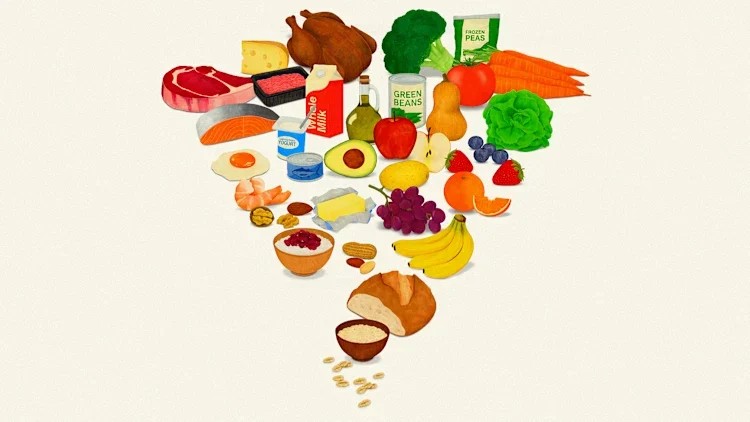


A Bold Shift from Tradition (Image Credits: Img-cdn.inc.com)
The Trump administration recently introduced a transformed version of the longstanding food pyramid, shifting focus toward nutrient-dense, unprocessed options to guide healthier eating across the nation.
A Bold Shift from Tradition
Officials unveiled the updated guidelines on January 7, emphasizing protein sources like meat and full-fat dairy at the pyramid’s apex, alongside fruits and vegetables. This redesign marks a departure from previous models that highlighted grains at the base. The change aims to address rising concerns over obesity and chronic diseases linked to processed diets. Health experts within the administration described the move as a return to fundamental nutrition principles. Implementation will influence school lunches, military rations, and public health campaigns nationwide.
The pyramid now inverts the classic structure, placing refined carbohydrates and sugars lower down. This adjustment reflects years of evolving research on metabolic health. Proponents argue it empowers individuals to make informed choices based on real, whole foods. Critics, however, question whether the emphasis on animal products aligns with environmental sustainability goals. Still, the administration positions the update as a practical tool for everyday Americans seeking balanced meals.
Key Elements of the New Guidelines
At the core of the redesign lies a strong push against added sugars and ultra-processed items, which the guidelines label as major contributors to health issues. Protein emerges as a cornerstone, with recommendations for lean meats, eggs, and dairy to support muscle maintenance and satiety. Fruits and vegetables occupy a prominent spot, encouraging variety to ensure vitamin intake. Healthy fats from sources like nuts and avocados receive endorsement, replacing earlier cautions against them.
The document outlines daily serving suggestions, urging at least half of meals to feature these top-tier foods. It also advises limiting grains to whole varieties in moderation. This framework builds on input from federal agencies like the Department of Health and Human Services. Early feedback from nutritionists highlights the potential for reduced reliance on convenience foods. Overall, the guidelines promote a straightforward mantra: prioritize what nature provides over factory-made alternatives.
Implications for Public Health and Policy
The overhaul arrives amid ongoing debates about federal nutrition advice, which has shaped American diets for decades. By elevating real foods, the administration seeks to combat epidemics of diabetes and heart disease. Schools may soon adapt menus to align with the pyramid, potentially increasing access to fresh produce for children. Military and federal programs could follow suit, standardizing healthier options in institutional settings. This policy reset underscores a broader commitment to evidence-based dietary strategies.
- Encourages daily protein intake from diverse sources to build resilience against age-related decline.
- Reduces emphasis on low-fat products, favoring those with natural fats for better absorption of nutrients.
- Targets a 20-30% cut in processed food consumption through education and labeling reforms.
- Integrates cultural food traditions to make guidelines inclusive for varied populations.
- Supports local farming by promoting seasonal fruits and vegetables in meal planning.
Reactions and Future Outlook
Stakeholders have voiced a mix of support and skepticism since the announcement. Advocacy groups for sustainable agriculture praise the focus on whole foods but call for more plant-based options. Industry leaders in the meat and dairy sectors welcome the validation of their products. Public health organizations note the guidelines’ alignment with recent studies on low-carb benefits. Robert F. Kennedy Jr., involved in the presentation, stressed declaring war on hidden sugars in everyday items.
Looking ahead, the administration plans workshops to disseminate the new pyramid through community centers and online resources. Monitoring will track adherence via national surveys over the next few years. Adjustments may occur based on emerging data, ensuring the model remains relevant. This evolution signals a pivotal moment in how the government influences eating habits.
Key Takeaways
- The redesigned pyramid prioritizes meat, cheese, and produce over grains and sweets.
- It promotes cutting ultra-processed foods to improve overall wellness.
- Expected to influence education, military, and federal nutrition programs.
In an era of dietary confusion, this makeover offers a clear path to nourishment rooted in simplicity. What changes will you make to your plate inspired by these guidelines? Share your thoughts in the comments.