New Supreme Leader Signals Iran’s Defiance (Image Credits: Images.fastcompany.com)
U.S. President Donald Trump suggested the war with Iran might wrap up soon, yet he issued a stark warning about intensified American retaliation should oil shipments face further disruption.
New Supreme Leader Signals Iran’s Defiance
Ayatollah Mojtaba Khamenei emerged as Iran’s new supreme leader following the death of his father, Ayatollah Ali Khamenei, in the conflict’s early days. The 56-year-old cleric, known for his close ties to the Revolutionary Guard, assumed power amid widespread rallies in Tehran where crowds chanted anti-American and anti-Israeli slogans. Investors interpreted the appointment as a sign of hardened resolve, just 10 days into the war that the United States and Israel initiated.
Trump expressed disappointment over the selection during comments to reporters. He favored an “internal” candidate process, drawing parallels to past situations like Venezuela. The younger Khamenei holds ultimate authority over policies, including the nuclear program, despite recent devastation to key facilities from U.S. strikes.
Intensified Airstrikes Target Iranian Heartland
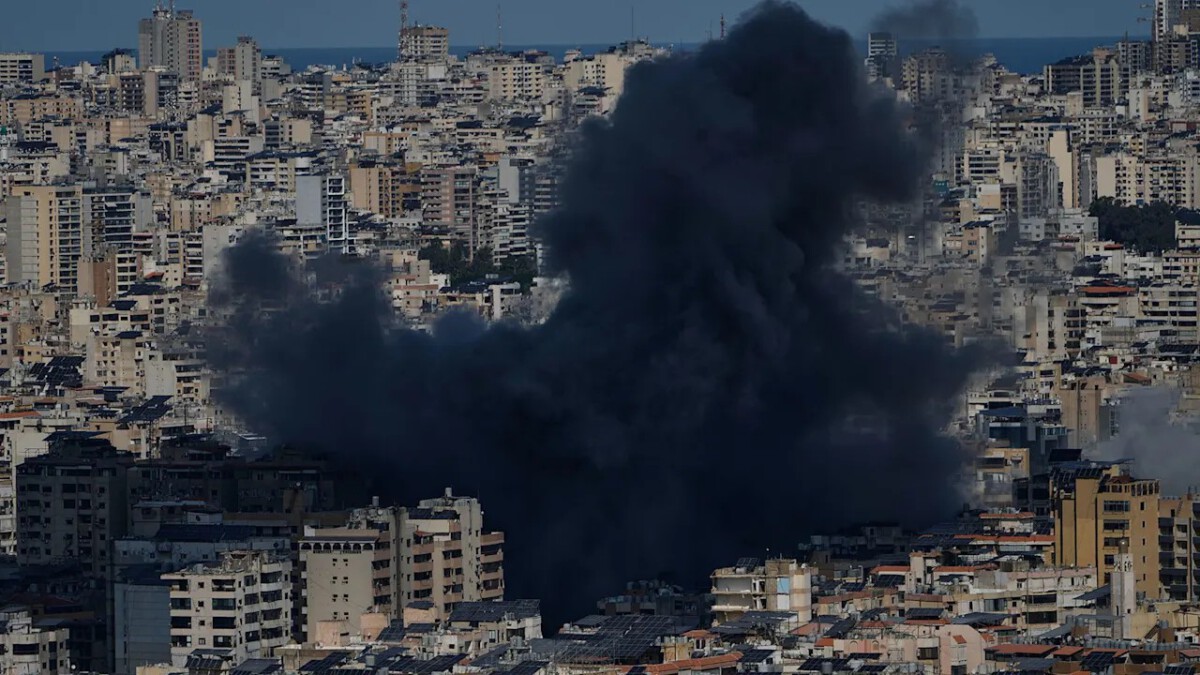
Dozens of explosions rattled Tehran in the war’s most intense raid on the capital since February 28. Israel conducted broad strikes on Isfahan, Tehran, and southern regions, hitting Revolutionary Guard drone facilities and other infrastructure. Iranian alerts sounded repeatedly as missiles launched from the country and Hezbollah positions in Lebanon targeted Israeli areas.
Trump stated the U.S. approached its objective of dismantling Iran’s ballistic missile capabilities. He alluded to plans for rebuilding efforts in Iran without elaborating. Casualties mounted, with officials reporting at least 1,230 deaths in Iran, 397 in Lebanon, 11 in Israel, and seven U.S. service members lost.
Oil Disruptions Drive Market Turbulence
Oil prices spiked to nearly $120 per barrel – the highest since 2022 – after Iran’s leadership change, before retreating toward $90 as optimism grew for a brief conflict. The Strait of Hormuz, vital for one-fifth of global oil transit, saw tankers halted by Iranian actions, while drones and missiles struck facilities in major producers. Merchant ship attacks claimed at least seven lives, per the International Maritime Organization.
U.S. stocks swung from early losses to gains on de-escalation hopes. Fuel costs climbed nationwide, exacerbating pressures from prior tariffs and a softening job market. A Revolutionary Guard spokesperson countered Trump’s threats by declaring Iran would decide the war’s timeline.
Regional Powers Condemn Iranian Aggression
Saudi Arabia rebuked a drone assault on its Shaybah oil field, warning Tehran of self-inflicted losses. The UAE reported shrapnel injuries in Abu Dhabi from intercepted missiles and later damage to its consulate in Iraq’s Kurdish region. Similar strikes hit Kuwait, Qatar, and Bahrain, where one fatality occurred in Manama.
- Saudi defenses downed a dozen drones overnight.
- UAE intercepted 15 missiles and 18 drones in one day.
- NATO allies in Turkey blocked an incoming ballistic missile.
- U.S. diplomatic outposts reduced non-essential staff.
Trump spoke with Russian President Vladimir Putin, whose adviser shared diplomatic proposals after talks with Gulf and Iranian leaders. An adviser to Iran’s supreme leader told CNN that Tehran prepared for prolonged fighting absent external intervention.
Key Takeaways
- War disrupts critical oil routes, fueling price volatility.
- New Iranian leadership tied to hardline military factions.
- U.S. nears missile threat elimination but eyes broader goals.
The conflict tests global energy stability and alliances, with Trump’s dual message of brevity and force underscoring the high stakes. Markets hang in balance as leaders maneuver. What implications do you see for energy prices ahead? Share in the comments.