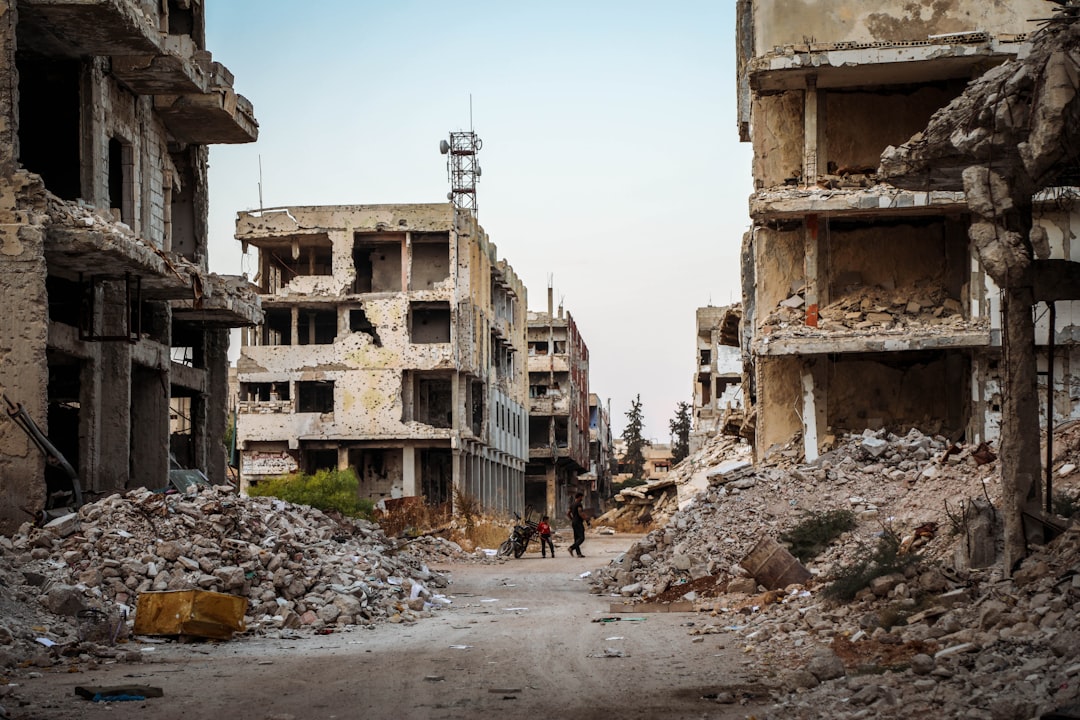


The Deadly Encounter Unfolds (Image Credits: Unsplash)
Syria – An ambush near the ancient city of Palmyra left two American soldiers and a civilian interpreter dead on Saturday, drawing a sharp promise of retaliation from President Donald Trump.
The Deadly Encounter Unfolds
The attack struck without warning as a joint U.S. and Syrian patrol moved through central Syria. A lone gunman opened fire on the convoy, targeting the American members directly. U.S. forces responded quickly, neutralizing the assailant on the spot. This marked the first fatal incident involving U.S. troops in the region since the collapse of the Assad regime a year earlier. The sudden violence shattered a period of relative calm in counter-ISIS operations.
Details emerged slowly from the Pentagon, which described the event as part of a routine engagement with local partners. Three other U.S. service members sustained injuries but received immediate medical attention. Syrian soldiers also suffered casualties, though exact numbers remained unclear. The site, scarred by years of conflict, highlighted the persistent dangers faced by coalition forces. Investigators now probe whether the attacker acted alone or as part of a larger network.
Trump’s Immediate Reaction
President Trump wasted no time in addressing the tragedy, posting on Truth Social to condemn the assault and blame ISIS. He described it as a direct attack on both American and Syrian efforts against terrorism. Trump emphasized that the U.S. would not tolerate such aggression, vowing a response that would be both serious and decisive. His words carried the weight of a leader determined to protect troops abroad. The statement came hours after the incident, signaling urgency from the White House.
Defense Secretary Pete Hegseth echoed the sentiment in his own public remarks, warning that any threats to Americans would face ruthless consequences. The administration’s stance reflected a broader policy of strength against extremist groups. Trump later spoke to reporters, noting that the injured personnel were recovering well. This rapid communication aimed to reassure allies and deter potential adversaries. The focus remained on honoring the fallen while planning next steps.
Context of U.S. Operations in Syria
U.S. presence in Syria has centered on combating ISIS remnants since the group’s territorial losses years ago. The joint patrol underscored ongoing cooperation with Syrian forces in stabilizing volatile areas. Palmyra, once a stronghold for militants, now serves as a flashpoint for sporadic violence. The attack raised questions about the security of these missions amid shifting regional dynamics. Experts noted that the fall of Assad had not eliminated all threats, only reshaped them.
The Pentagon withheld the identities of the deceased until families were notified, a standard protocol in such cases. This incident came at a sensitive time, with U.S. policy under scrutiny for its role in the Middle East. Cooperation with Syrian partners proved vital, yet vulnerabilities persisted. The event prompted reviews of patrol protocols to prevent future losses. Broader implications could affect alliances and counterterrorism strategies moving forward.
Looking Ahead: Implications and Investigations
An official inquiry now examines the attacker’s links to ISIS, though Trump already pointed to the group as responsible. The U.S. military confirmed the gunman was killed during the exchange, ending the immediate threat. Questions linger about intelligence gaps that allowed the ambush to occur. International observers watched closely, as any retaliation could escalate tensions in the region. The incident served as a stark reminder of the costs involved in these operations.
Key aspects of the response will shape future engagements. Here are some immediate considerations:
- The scale of retaliation, potentially involving airstrikes on ISIS targets.
- Enhanced security measures for joint patrols with Syrian forces.
- Diplomatic outreach to regional allies for intelligence sharing.
- Support for the families of the fallen, including memorials and benefits.
- Ongoing monitoring of ISIS activity in central Syria.
Key Takeaways
- Three Americans died in the first U.S. fatalities in Syria post-Assad.
- Trump’s vow targets ISIS, promising a strong counteraction.
- The attack highlights risks in counterterrorism missions.
As the dust settles on this tragic event, the path forward demands vigilance and resolve. The loss underscores the high stakes of maintaining security in unstable territories. What steps should the U.S. take next in Syria? Share your thoughts in the comments below.