Trump Targets Oil-Hungry Nations for Naval Support (Image Credits: Pixabay)
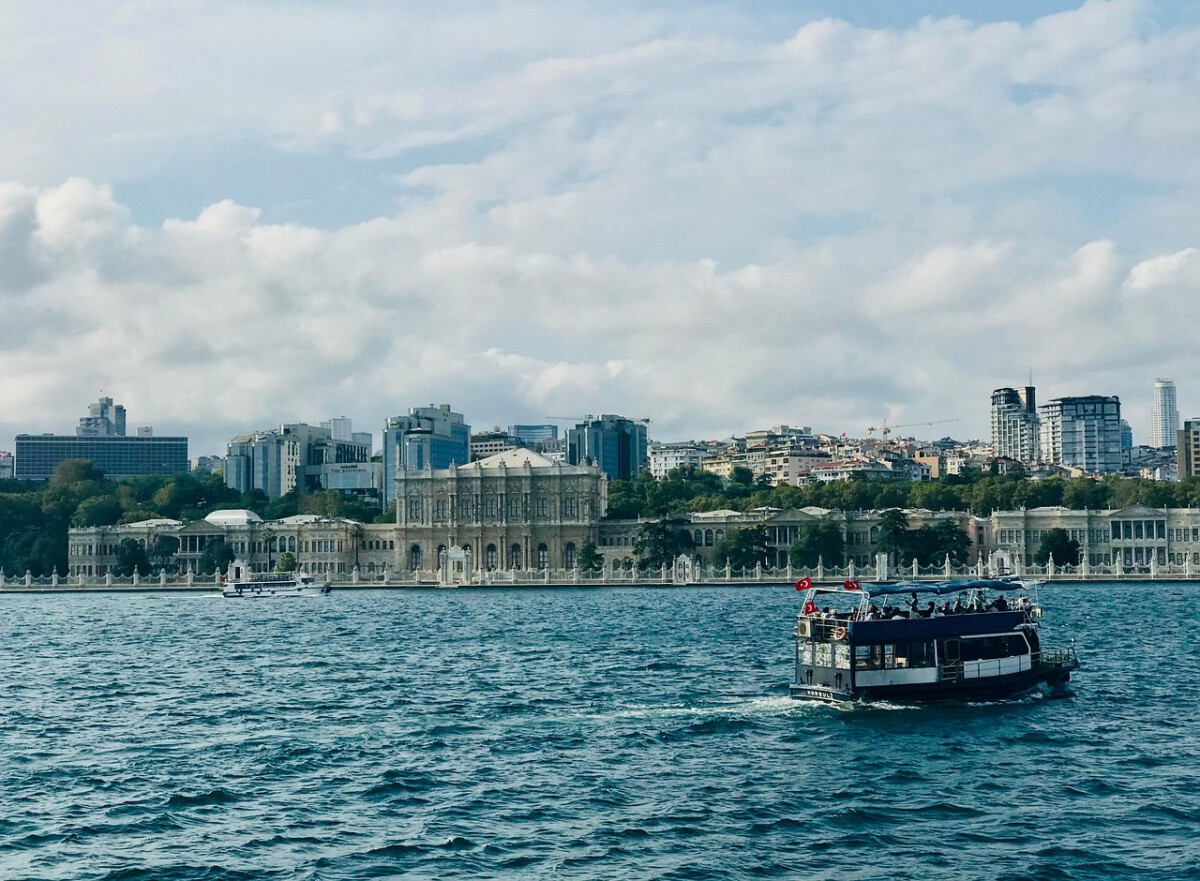
The Strait of Hormuz, a narrow waterway through which one-fifth of the world’s traded oil passes, has become a flashpoint in the escalating conflict with Iran. President Donald Trump demanded that roughly seven nations heavily dependent on Middle Eastern crude deploy warships to secure the vital shipping lane. Despite soaring oil prices, major importers have offered only cautious responses, leaving the U.S. to press its case amid ongoing attacks and economic strain.
Trump Targets Oil-Hungry Nations for Naval Support
President Trump made his strongest push yet for an international coalition while returning to Washington on Air Force One. He insisted that countries reliant on the strait protect their own interests, noting that the U.S. draws minimal oil from the route thanks to domestic production.
Trump highlighted China’s heavy dependence, claiming it sources about 90 percent of its oil through the strait. He expressed willingness to collaborate but warned that non-participants would be remembered. Previous appeals had gone to China, France, Japan, South Korea, and Britain, though he declined to name all seven under discussion.
Reluctant Responses from Key Players
British Prime Minister Keir Starmer discussed reopening the strait with Trump and Canada’s leader, emphasizing the need to end shipping disruptions. Trump noted Starmer’s initial reluctance to risk British carriers. A Chinese embassy spokesperson stressed shared responsibility for energy stability and pledged communication for de-escalation.
South Korea’s Foreign Ministry acknowledged Trump’s call and promised close coordination. France explored a multinational escort mission with European, Indian, and Asian partners, but only when conditions allow. Germany’s foreign minister firmly rejected deeper involvement. Expectations mounted for Japan’s stance ahead of Prime Minister Sanae Takaichi’s White House visit.
IEA Mobilizes Massive Oil Release to Curb Price Spike
The International Energy Agency announced an unprecedented drawdown of emergency reserves totaling nearly 412 million barrels to ease global markets. Asian members planned immediate releases, with Europe and the Americas following by late March. U.S. Energy Secretary Chris Wright reported ongoing talks with targeted nations and anticipated constructive input from China.
Trump predicted a swift end to the conflict and a tumble in oil prices. Iran’s Foreign Minister Abbas Araghchi told CBS that Tehran had fielded requests from various countries for safe passage, leaving decisions to its military. He affirmed the strait remained open to all but the U.S. and its allies, while ruling out direct talks with Washington.
Regional Attacks Intensify Amid Mounting Casualties
Gulf states including the UAE, Saudi Arabia, Kuwait, and Bahrain faced fresh missile and drone strikes. Dubai halted flights at its key airport after a drone ignited a fuel tank fire, though crews contained the blaze without injuries. Iran urged evacuation of three UAE ports and accused the U.S. of launching strikes from Emirati soil, a charge denied by UAE officials and U.S. Central Command.
Casualties mounted across the region. More than 1,300 deaths occurred in Iran, including women and children, per reports from its Health Ministry and the Red Cross. Iranian strikes killed a dozen civilians in Gulf nations, mostly migrant workers. Israel reported 12 fatalities from missiles, plus recent injuries, while 13 U.S. troops died, including six in an Iraq crash. Lebanon tallied over 820 deaths and displaced nearly 800,000 since Hezbollah clashes began.
Latest Barrages Target Israel
Iran fired missiles at Israel early Monday, striking central areas including Tel Aviv and damaging 23 sites. Rescue teams documented craters and shrapnel impacts on buildings. Israel’s military highlighted Iran’s use of cluster bombs that challenge defenses by dispersing submunitions.
Tehran displayed strike damage in its capital, where a police station and nearby structures suffered hits. Residents expressed relief at surviving unscathed, while others fled the country.
Key Takeaways
- Strait of Hormuz carries one-fifth of global traded oil, amplifying economic risks.
- Trump seeks warships from about seven nations; responses remain non-committal.
- IEA’s 412 million-barrel release aims to stabilize prices amid war disruptions.
As naval patrols hang in the balance and attacks persist, the strait symbolizes the high stakes tying energy security to geopolitical fault lines. Securing this chokepoint could avert deeper economic fallout, but unity among oil importers proves elusive. What steps should nations take next to protect global trade routes? Share your views in the comments.