

Trump’s Bold Statement Sparks Debate (Image Credits: Unsplash)
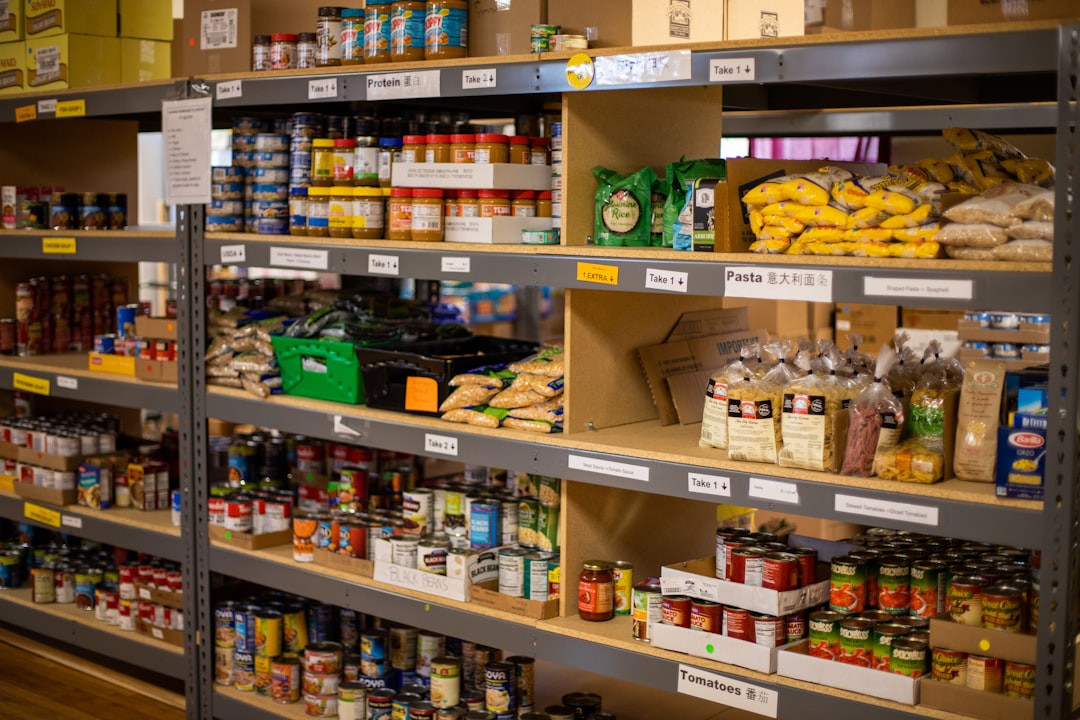
Los Angeles – Under the warm afternoon sun, lines form early outside community centers, where families stretch limited budgets just to put food on the table.
Trump’s Bold Statement Sparks Debate
President Trump recently dismissed talk of an affordability crisis as nothing more than a hoax. He argued that everyday Americans aren’t facing the financial squeezes that headlines often highlight. This comes at a time when costs for basics like groceries and housing continue to climb across the country.
Yet, on the ground in places like Los Angeles, that narrative feels far removed from reality. People juggling multiple jobs still find themselves short at month’s end. The gap between official claims and lived experiences has never seemed wider.
Critics point out that inflation has pushed up prices for essentials by double digits in recent years. For many, this isn’t abstract policy talk – it’s about choosing between rent and a full fridge.
The Surge in Free Lunch Programs
Did you know that participation in school lunch programs has jumped sharply since the pandemic? In 2025 alone, millions more kids qualify for free or reduced-price meals nationwide. Programs like the National School Lunch Program now serve over 30 million students daily, a clear sign of ongoing need.
These initiatives provide not just food but a safety net for families hit hard by rising costs. In urban areas, community pantries report record turnout, with lines wrapping around blocks. It’s a quiet revolution in how we address hunger amid economic pressures.
Experts from the USDA note that eligibility has expanded, yet demand outpaces supply in many spots. This growth underscores why dismissing affordability woes feels tone-deaf to those relying on these services.
Voices from the Front Lines
At one Los Angeles meal program, staff and patrons alike share stories of pinched budgets. A single parent might skip her own dinner to ensure her kids eat well. These aren’t isolated cases; they’re the norm for too many households scraping by.
The director of a local pantry extended an invitation to Trump himself: come see the operations firsthand. “Travel with me,” she offered, highlighting the human side of the statistics. Such gestures aim to bridge the divide between policy rhetoric and real-world challenges.
Participants describe the relief these programs bring, but also the stigma that lingers. Still, the uptick in usage tells a story of resilience amid hardship.
Broader Impacts on Communities
Free lunch efforts extend beyond schools into after-school clubs and summer camps. In 2025, states like California have boosted funding to keep these vital. Yet, federal uncertainties loom, with potential cuts threatening access for vulnerable groups.
Communities of color often bear the brunt, facing higher rates of food insecurity. Programs help level the playing field, ensuring kids focus on learning rather than hunger. Without them, dropout rates and health issues could spike.
- Expanded eligibility for low-income families
- Integration with local farms for fresh produce
- Partnerships with schools to reduce administrative hurdles
- Focus on nutrition education alongside meals
- Adaptations for dietary needs, like allergies
Policy Challenges Ahead
Looking at the 2025-26 budget proposals, school nutrition funding remains a hot topic. Governors push for more support, but competing priorities strain resources. The Economic Research Service reports that while lunches cost around $3.50 on average, subsidies keep them affordable for recipients.
However, Trump’s hoax label raises questions about future federal backing. Advocates worry that downplaying the crisis could lead to rollbacks in programs that millions depend on. Balancing fiscal responsibility with compassion is key.
States stepping up with their own initiatives show promise, but a coordinated national approach would amplify impact. The conversation needs to evolve from denial to actionable solutions.
Comparing Costs: A Quick Snapshot
| Item | Average Cost (2025) | Impact on Families |
|---|---|---|
| Groceries for a Family of Four | $1,200/month | Up 25% since 2020 |
| School Lunch Subsidy | $3.50/meal | Covers 100% for eligible kids |
| Housing Rent (Urban Avg.) | $2,000/month | Rise of 30% in major cities |
This table highlights how everyday expenses add up, making free programs indispensable. Families often prioritize meals over other needs, revealing the depth of the squeeze.
Key Takeaways:
- Affordability struggles are real for millions, despite political spin.
- Free lunch programs act as crucial buffers, serving more kids than ever.
- Invitations like the one from L.A. programs call for empathy and visits to see the truth.
In the end, the affordability debate boils down to empathy versus optics – will leaders listen to the lines at food pantries or stick to the script? What do you think about bridging this gap? Tell us in the comments.