Secret Subpoenas Silence Dissent (Image Credits: Upload.wikimedia.org)
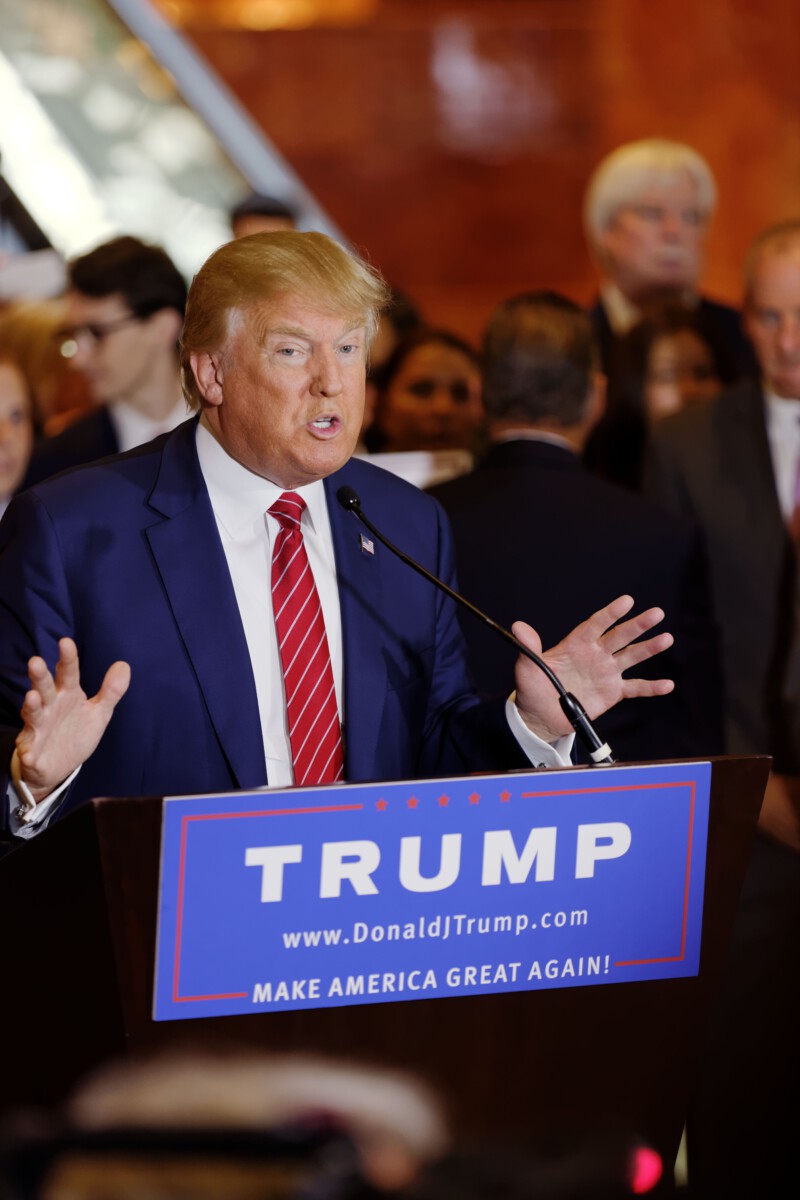
President Donald Trump’s second term has intensified with bold assertions of power, yet these moves have triggered mounting resistance from citizens and institutions alike.
Secret Subpoenas Silence Dissent
The Washington Post disclosed that the Trump administration employed secretive administrative subpoenas to access phone records, emails, and social media activity of Americans critical of its immigration policies. Targets received only vague notices from companies like Google, without details on the subpoenas’ content or purpose. This approach prevented effective legal challenges and evoked comparisons to oppressive surveillance tactics.
Nathan Freed Wessler, deputy project director at the ACLU Foundation’s Speech, Privacy, and Technology Project, condemned the practice. He stated, “Government agents abusing these administrative subpoenas to target people for exercising their First Amendment rights is not only outrageous – it’s unconstitutional.” Federal law limits such subpoenas to specific immigration probes, yet officials extended them to monitor protected speech.
Raids Expose Overreach in Media and Elections
Federal agents raided the home of Washington Post reporter Hannah Natanson after her coverage of firings tied to government efficiency initiatives. Authorities also stormed election offices in Fulton County, Georgia, last week. Director of National Intelligence Tulsi Gabbard appeared on site at Trump’s direction, facilitating a phone call where the president delivered a pep talk to the agents.
Sources described the Georgia operation as a hunt for unsubstantiated 2020 election fraud claims. Gabbard’s involvement strayed far from her official duties. Such actions underscored a pattern of deploying federal resources for political ends rather than legitimate enforcement.
Calls for Election Control Ignite Alarms
Trump ramped up demands for prosecutions against those he accused of 2020 election interference. Attorney General Pam Bondi’s Justice Department appeared poised to pursue indictments in Fulton County. The president also urged nationalizing the electoral system ahead of midterms, a step barred by the Constitution.
Steve Bannon advocated deploying ICE agents and military personnel to polling stations. These proposals heightened fears of voter intimidation. As Trump’s approval ratings declined, his rhetoric grew more insistent on reshaping democratic processes.
Cultural Institutions Reject Trump’s Imprint
Trump’s renaming of the Kennedy Center as the “Donald J. Trump and John F. Kennedy Memorial Center for the Performing Arts” prompted swift backlash. The Washington National Opera relocated its operations. Composers Philip Glass, Rhiannon Giddens, and soprano Renee Fleming canceled appearances. The Hamilton cast declined invitations.
The Kennedy Center Honors broadcast recorded its lowest viewership in history. In-person attendance fell by nearly half. Trump responded by announcing a two-year closure for renovations, effectively sidelining the venue.
Monuments Reflect Ego Over Substance
Trump pursued grand architectural projects amid policy setbacks. He expanded the White House with a massive ballroom and planned extensive Kennedy Center upgrades. A proposed 250-foot “Independence Arch” between the Lincoln Memorial and Arlington National Cemetery aimed to symbolize American dominance, though the nation ranks below others in size and population.
Crypto investors commissioned a 15-foot gilded statue of Trump, elevated to 22 feet on a pedestal, for his Miami golf club ahead of a G20 summit. Trump excluded South African leaders from the event over disputed claims. Critics viewed these displays as echoes of authoritarian vanity.
Key Takeaways
- Trump’s surveillance and raid tactics bypass constitutional safeguards, drawing legal condemnation.
- Public boycotts and plummeting support expose the limits of his strongman image.
- Monumental projects signal delusion as democratic institutions and citizens resist.
Trump’s vision of unchallenged authority clashes with a resilient public that repeatedly rejects his overreaches. This growing defiance suggests his fantasy of dominance may prove short-lived. What steps should Americans take next to safeguard democracy? Share your thoughts in the comments.Read the original analysis in The Nation.