A Sweeping Order Targets Modernist Excess (Image Credits: Unsplash)
Washington, D.C. – The National Capital Planning Commission recently approved President Donald Trump’s ambitious plans for a new White House ballroom, clearing the path for a neoclassical addition after the demolition of the historic East Wing.[1][2] This decision caps months of contention surrounding the project, which ties into a broader executive order aimed at restoring traditional styles to federal buildings nationwide. Architects and preservationists raised alarms over the loss of history, while supporters hailed it as a return to grandeur. The move underscores a growing cultural rift over what public architecture should represent in modern America.
A Sweeping Order Targets Modernist Excess
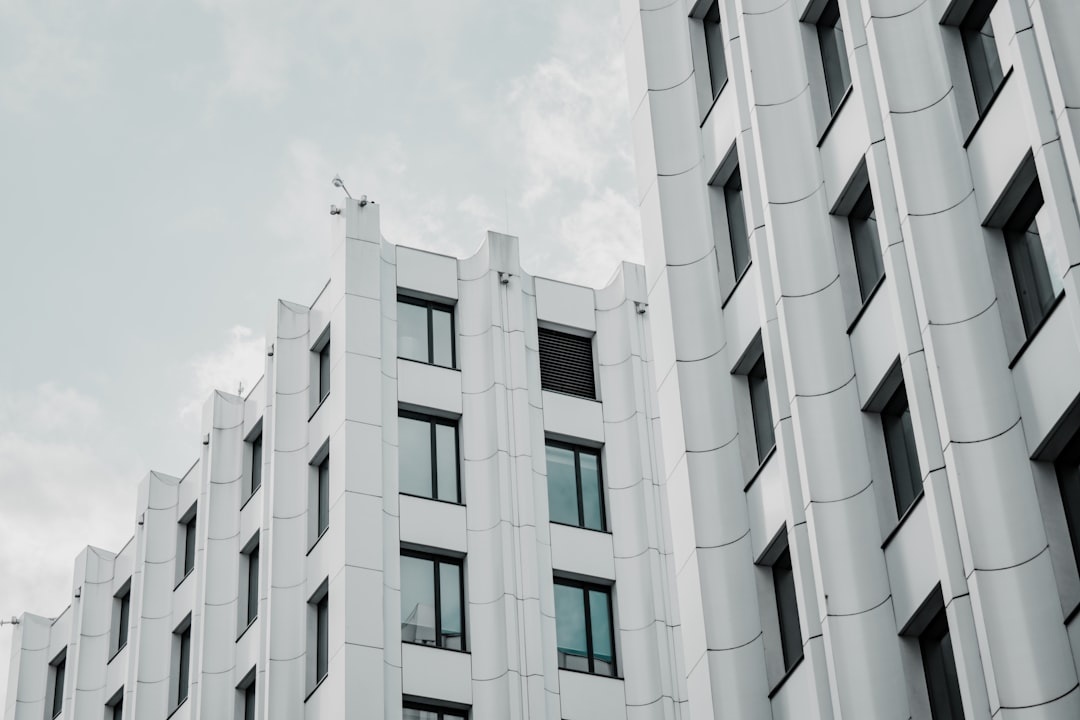
Federal buildings across the country now face a mandated shift under President Trump’s August 2025 executive order, titled “Making Federal Architecture Beautiful Again.”[3][4] The directive prioritizes classical and traditional designs for courthouses, agency headquarters, and major public structures costing over $50 million, explicitly discouraging brutalist and deconstructivist styles. It revises the 1962 Guiding Principles for Federal Architecture, echoing a similar 2020 order that President Biden later revoked.
The policy calls for emulating masters like Michelangelo, Palladio, and American icons such as Thomas U. Walter and Julia Morgan. General Services Administration officials must recruit firms experienced in these traditions and ensure they compete in design evaluations. “Design must flow from the needs of the Government and the aspirations and preferences of the American people to the architectural profession, and not vice versa,” the order states.[4] This approach promises visually identifiable civic buildings that honor regional heritage.
White House Ballroom: Symbol of the Revival
The East Wing Modernization Project emerged as the first high-profile test of this vision, with plans for a secure, expansive ballroom to host state functions.[5] Construction crews demolished the original East Wing in October 2025, making room for a neoclassical structure estimated at $400 million—double the initial $200 million projection.[1] Cranes now dot the site, signaling progress despite legal hurdles.
The National Capital Planning Commission, led by Trump appointee Will Scharf, voted to advance the proposal amid 32,000 mostly critical public comments.[1] Scharf described the ballroom as a future “national treasure” for presidents of all parties. A federal judge recently paused work, citing a lack of congressional approval, but the commission pressed forward. The project promises greater capacity for official events while aligning with the classical mandate.
Architects Push Back Against Style Dictates
Prominent architecture groups decried the executive order as an overreach that stifles innovation. The American Institute of Architects previously opposed a similar policy, arguing it limits competition and ignores contemporary needs.[6] Critics contend that mandating styles like Georgian or Beaux-Arts ignores brutalism’s functional merits or modernism’s adaptability.
Here are the order’s defined preferred styles:
- Neoclassical: Greek Revival, Federal, Beaux-Arts.
- Traditional: Gothic, Romanesque, Spanish Colonial, Pueblo Revival.[4]
Prohibited approaches include those deemed at odds with civic dignity. Preservation advocates also lamented the East Wing’s fate, viewing it as a hasty erasure of mid-20th-century history. Yet proponents argue the changes restore public pride in enduring forms.
Stakes High for Civic Identity
This architectural pivot extends beyond aesthetics, touching on questions of democracy and heritage. Federal buildings in the National Capital Region must now default to classical designs unless exceptions apply.[7] The policy seeks to counter decades of what supporters call “ugly” modernism, favoring structures that evoke stability and tradition.
Opponents fear a homogenization that sidelines diverse voices in design competitions. The ballroom approval, coming days after a court injunction, highlights tensions between executive action and oversight. As projects advance, the debate will shape skylines from courthouses to headquarters for years ahead.
Key Takeaways
- Trump’s order prioritizes classical styles for major federal builds, banning brutalism and deconstructivism.[4]
- The $400 million White House ballroom replaces the demolished East Wing, approved despite public outcry and legal challenges.[1]
- Architects decry the mandate as restrictive, while backers see it as a beauty restoration.
Trump’s vision promises a grander federal footprint, but at the cost of ongoing clashes over style and stewardship. As cranes rise over the White House grounds, the nation watches how this classical resurgence will define its public spaces. What do you think about the shift to traditional designs? Tell us in the comments.