

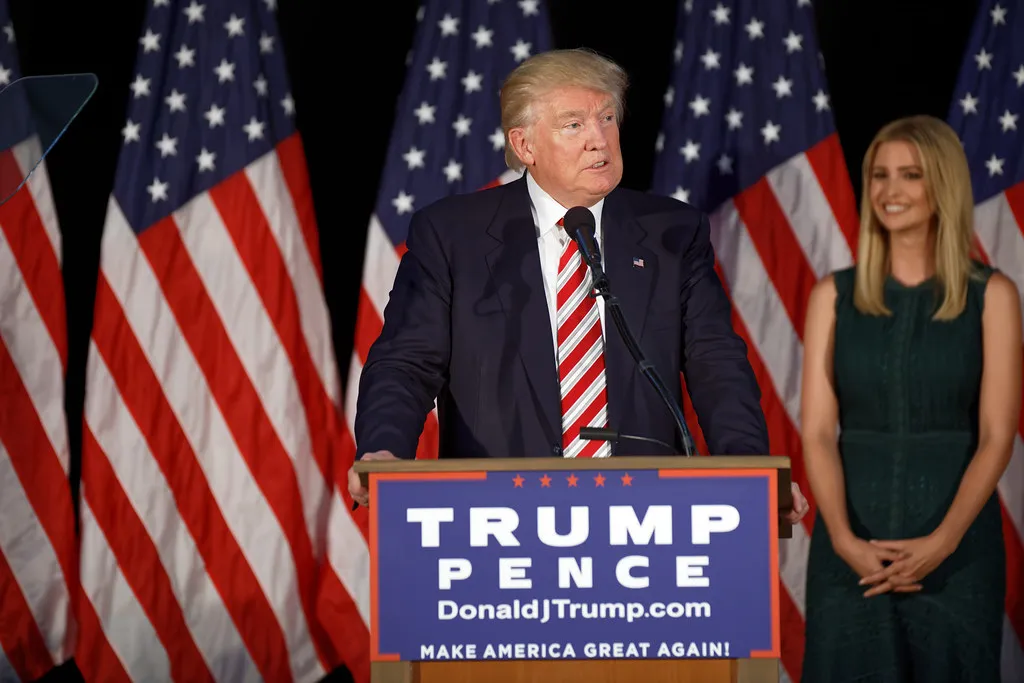
Domestic Priorities Dominate the Night (Image Credits: Flickr)
President Donald Trump used his marathon State of the Union address to highlight domestic successes, leaving international matters with surprisingly brief treatment.[1][2]
Domestic Priorities Dominate the Night
The speech, which set a new record for length, stretched well over an hour before touching on global issues. Trump focused heavily on the economy, immigration, and political opponents, framing his agenda around “America First” themes. Foreign policy appeared late, presented more as anecdotes than detailed strategy.[2]
Analysts noted the shift toward voter concerns like cost of living. This approach aligned with polling showing limited public appetite for overseas entanglements. Trump declared he would “make peace wherever I can, but… never hesitate to confront threats to America.”[1]
Iran Receives Boilerplate Criticism
Expectations built for a major announcement on Iran, given ongoing tensions and military buildup in the Middle East. Instead, Trump repeated standard critiques of the regime without outlining next steps. He emphasized seeking a nuclear deal while maintaining a strong posture.[1]
Emma Ashford, senior fellow at the Stimson Center, described the section as lacking substance. “He simply repeated the existing approach… treading water on the question of Iran,” she told NPR’s Leila Fadel. Ashford pointed to public opposition to strikes as a factor in the caution.[1]
Glimpses of Conflicts in Gaza and Ukraine
Trump claimed credit for ceasefires and peace efforts, including in Gaza, where he noted the war “proceeds at a very low level.” He acknowledged ongoing violence but highlighted aides like Jared Kushner and Steve Witkoff for their roles. A similar nod went to a military operation in Venezuela.[1][2]
On Ukraine, marking four years since Russia’s invasion, Trump said the conflict “never would have started” under his watch. He touted European nations covering most costs but offered no updates on peace talks. Ashford called this omission prudent amid stalled negotiations.[1]
What Foreign Policy Mentions Made the Cut?
The address included these limited references:
- Iran: Regime criticism and nuclear deal aspirations.
- Gaza: Ceasefire holding at low violence levels.
- Ukraine: Europeans funding aid; no war under Trump.
- Venezuela: Recent military success.
- NATO: Allies increasing contributions.
Such brevity surprised observers, especially amid global hotspots.[3]
Risks of the Light Touch
Ashford warned that downplaying foreign policy carries dangers. Without clear rationales for actions like the Iran buildup, the U.S. risks open-ended commitments that hike gas prices and strain budgets. This contrasts with Trump’s pledges against foreign wars.[2]
The strategy may energize the base ahead of midterms but leaves questions on aligning “America First” with global realities. For more, read the full NPR interview here.[4]
Key Takeaways:
- Foreign policy delayed until late in the speech.
- No new Iran strategy amid buildup.
- Peacemaking claims tempered by realities on ground.
Trump’s address reinforced domestic focus, but experts urge more transparency on world affairs. What do you think of this approach? Tell us in the comments.