A Surge in Executive Authority (Image Credits: Static01.nyt.com)
President Trump’s return to the White House has ushered in a phase where the boundaries of presidential authority appear to stretch further than ever before.
A Surge in Executive Authority
During his first year of the second term, Trump moved decisively to broaden the scope of executive power. Actions taken by the administration highlighted a shift toward centralized control, drawing comparisons to historical expansions of the presidency. Observers noted that these steps went beyond routine policy adjustments, touching on core institutional norms.
This expansion manifested in various policy arenas, where the White House asserted dominance over traditionally shared governmental functions. The approach signaled a deliberate strategy to consolidate influence, reminiscent of past presidents but executed with greater intensity. Critics argued that such moves risked undermining checks and balances, while supporters viewed them as necessary efficiencies in a divided political landscape.
Embracing Symbols of Grandeur
One striking aspect of Trump’s leadership style involved adopting elements that evoked monarchical traditions, a departure from modern democratic conventions. Ceremonial events and public presentations incorporated lavish displays not commonly associated with recent administrations. This flair for spectacle served to project strength and permanence, aligning with the president’s vision of resolute governance.
These trappings extended to decision-making processes, where the executive branch took the lead on initiatives that might otherwise involve broader consultation. The result was a presidency that operated with an air of unchallenged authority, prompting discussions about the evolving nature of American leadership. Historians pointed out parallels to earlier eras, yet emphasized the unique context of today’s polarized environment.
Impacts on Disaster Management
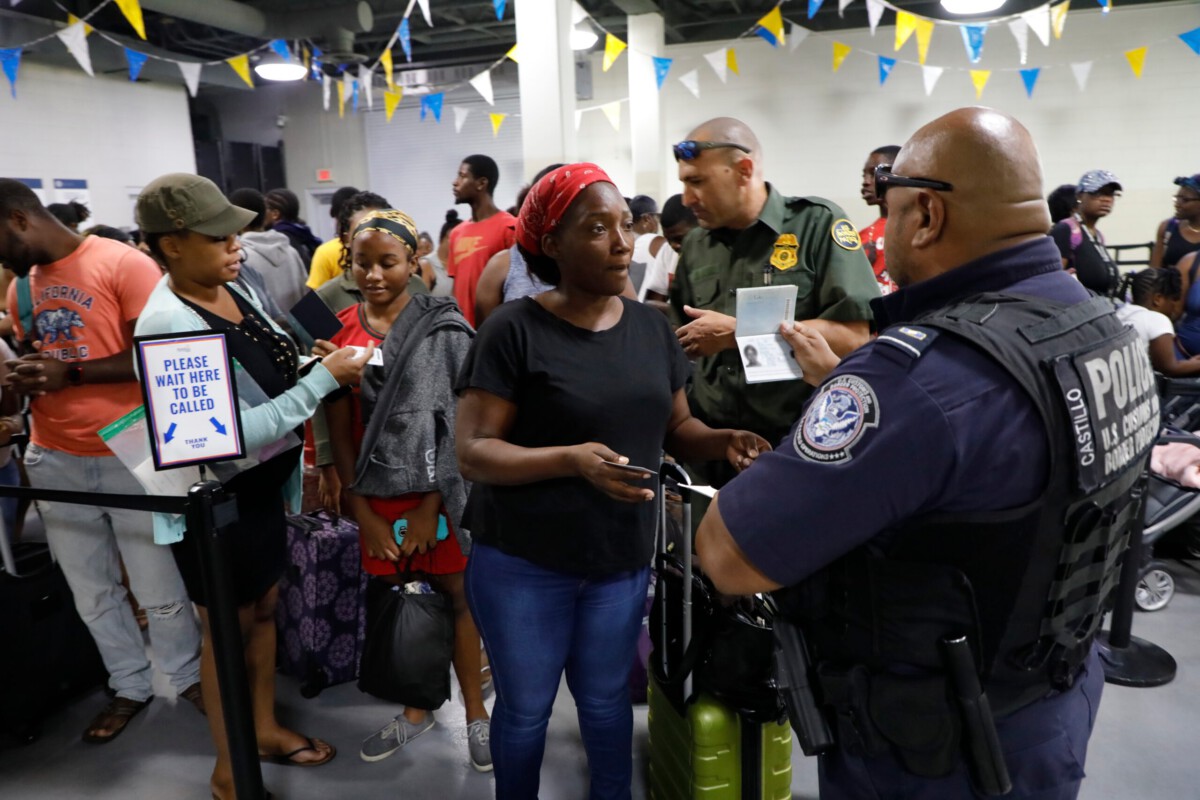
In the realm of emergency response, Trump’s enhanced executive reach became particularly evident during recent hurricane seasons. The administration streamlined federal aid deployment, bypassing some standard protocols to accelerate assistance to affected regions. This hands-on method allowed for quicker mobilization of resources, though it raised questions about long-term oversight.
Project 2025 proposals, which influenced several reforms, aimed to reshape agencies like FEMA into more agile entities focused on major catastrophes. States assumed greater responsibility for routine disasters, aligning with a philosophy of localized control under federal guidance. While this restructuring promised efficiency, it also sparked debates over preparedness for escalating climate threats. Early implementations showed mixed results, with some areas benefiting from faster responses and others facing coordination challenges.
Broader Political Ramifications
The push toward an imperial-style presidency intersected with key 2025 policy battles, including national security and environmental regulations. Trump’s team prioritized executive orders to advance agendas on trade and immigration, often circumventing congressional hurdles. This tactic not only achieved short-term goals but also set precedents for future administrations.
Public reaction varied, with approval ratings reflecting divisions along partisan lines. Allies praised the decisive action as a corrective to legislative gridlock, while opponents warned of democratic erosion. International observers monitored these developments closely, noting potential shifts in U.S. global influence.
- Centralized disaster aid: Faster federal interventions in hurricane zones.
- Agency reforms: Restructuring FEMA for catastrophic events only.
- Ceremonial shifts: Increased use of symbolic grandeur in official events.
- Policy overrides: Executive actions dominating legislative processes.
- State empowerment: Delegating routine emergencies to local levels.
Key Takeaways
- Trump’s expansions prioritize speed and control in crises like hurricanes.
- Symbolic elements enhance the presidency’s aura of authority.
- Reforms from Project 2025 reshape federal roles in disaster response.
As Trump’s term progresses, the full implications of this imperial presidency remain unfolding, challenging the nation to balance strong leadership with institutional safeguards. How might these changes define the next chapter of American governance? Share your thoughts in the comments below.