
The Interview’s Wide-Ranging Scope (Image Credits: Bossip.com)
President Donald Trump articulated a provocative stance on racial policies during a recent extended interview, suggesting that efforts to address historical inequalities have inadvertently disadvantaged white individuals.
The Interview’s Wide-Ranging Scope
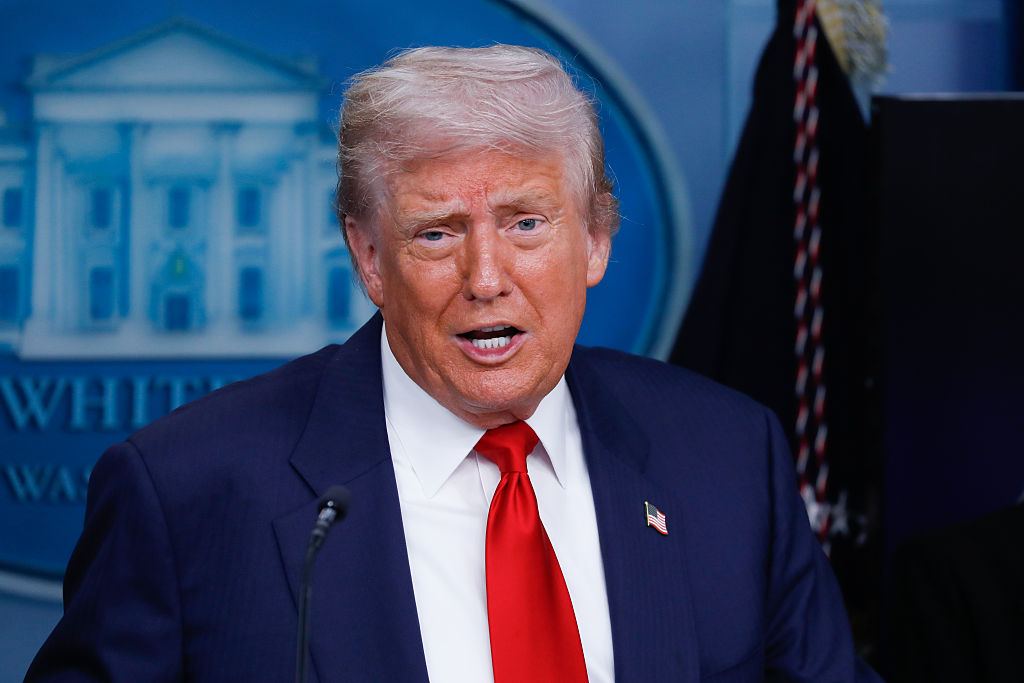
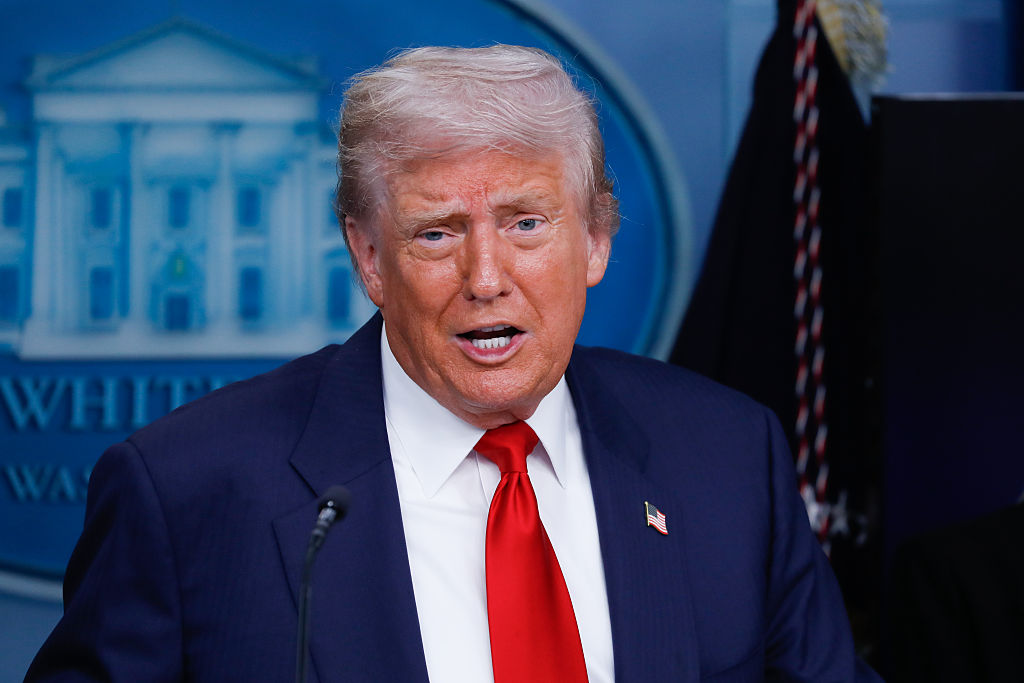
Four New York Times reporters conducted a nearly two-hour session with Trump last week, covering topics from foreign policy to domestic issues. The discussion, which spanned more than 23,000 words, delved into his administration’s priorities and personal reflections on American society.
Trump addressed questions with characteristic directness, often circling back to themes of fairness and perceived imbalances. His responses highlighted a worldview shaped by decades in public life, where he frequently emphasized what he sees as overlooked grievances among certain groups.
Unpacking Trump’s Comments on Race
At the heart of the exchange, Trump contended that civil rights initiatives from decades ago had swung too far, resulting in what he described as severe mistreatment of white people. He specifically pointed to policies aimed at remedying past discrimination against Black Americans, arguing they created a form of reverse bias.
“White people have been very badly treated,” Trump stated, linking this to broader affirmative action and diversity efforts. He framed these measures as having eroded opportunities for white men in particular, a narrative he has echoed in past speeches and rallies. The president positioned his administration’s rollback of such programs as a corrective step, aimed at restoring what he called equitable treatment for all.
Historical Context and Policy Shifts
Civil rights legislation in the 1960s sought to dismantle systemic barriers for marginalized communities, including voting rights and equal access to education and employment. Over time, these evolved into affirmative action programs designed to promote diversity in workplaces and universities.
Trump’s administration has actively dismantled elements of these frameworks, citing overreach and discrimination against non-minority groups. In the interview, he tied this to his support for initiatives that prioritize merit over demographic quotas, a stance that aligns with conservative critiques of “woke” culture.
Critics argue that such views overlook persistent disparities faced by people of color, while supporters see them as a necessary pushback against what they perceive as cultural overcorrection.
Reactions Across the Political Spectrum
The remarks drew swift responses from various quarters. Progressive leaders condemned them as a distortion of history that minimizes the ongoing impacts of racism. Meanwhile, some conservative commentators praised Trump’s candor, viewing it as a validation of long-held concerns about identity politics.
Public discourse on social media amplified the divide, with posts highlighting Trump’s history of racially charged statements dating back to the 1980s. Organizations focused on civil rights vowed to monitor how these comments influence upcoming policy decisions.
- Key historical touchpoints: Central Park Five case, where Trump called for harsh punishment in 1989.
- Recent actions: Executive orders targeting diversity, equity, and inclusion (DEI) programs in federal agencies.
- Broader pattern: Trump’s rhetoric often frames immigration and cultural shifts as threats to traditional American values.
- Interview highlights: Discussions on tariffs, Greenland acquisition, and election integrity also featured prominently.
- Media analysis: Outlets like CNN annotated the full transcript for context.
Implications for America’s Racial Dialogue
Trump’s interview underscores a persistent tension in U.S. racial politics, where debates over equity often pit historical redress against claims of current unfairness. As his administration advances, these statements could shape legislative battles over voting rights and workplace diversity.
Experts note that such rhetoric risks deepening divisions at a time when surveys show growing polarization on race-related issues. Yet, it also reflects a segment of the population’s frustrations with evolving social norms.
In reflecting on these developments, the path forward hinges on balancing acknowledgment of past injustices with inclusive policies that benefit society as a whole. What are your thoughts on this perspective? Share in the comments below.
Key Takeaways
- Trump’s comments distill his administration’s focus on perceived anti-white discrimination.
- Civil rights policies, in his view, have created imbalances that need correction through merit-based approaches.
- The interview reveals ongoing debates about race, equity, and fairness in modern America.