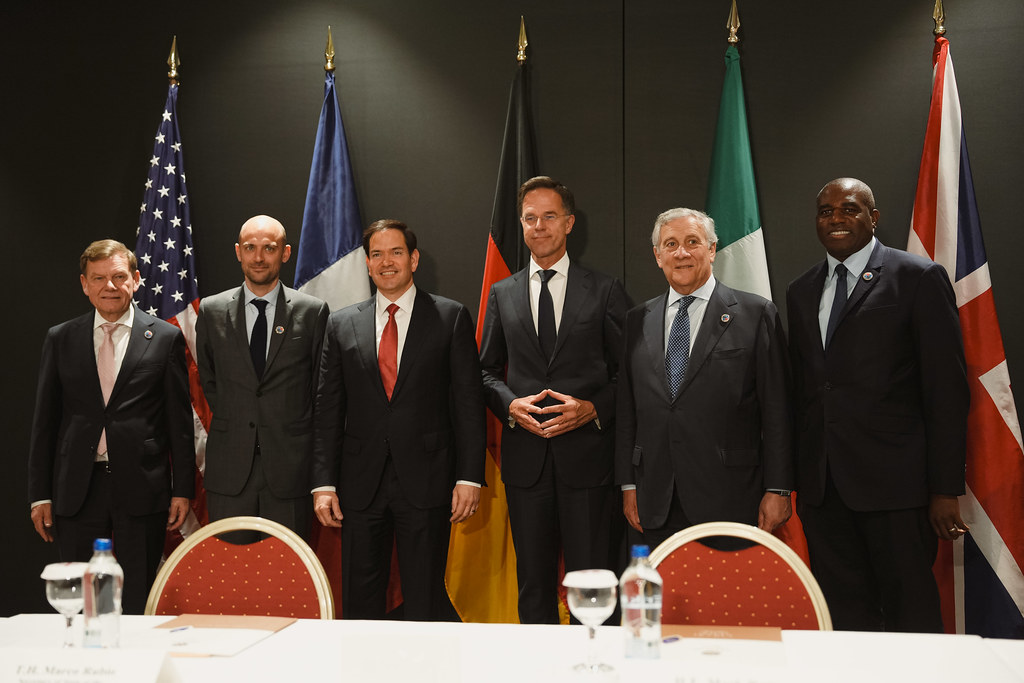
Tensions Reach Boiling Point After Recent Threats (Image Credits: Flickr)
Ankara – Iran’s Foreign Minister Abbas Araghchi held urgent talks in the Turkish capital with his counterpart Hakan Fidan to explore diplomatic avenues for preventing a potential American military response.[1]
Tensions Reach Boiling Point After Recent Threats
President Donald Trump issued stark warnings to Tehran, declaring that time had run out for a nuclear deal and hinting at strikes more devastating than past interventions.[1] These statements followed a 12-day conflict in June 2025, where U.S. forces claimed significant damage to Iran’s nuclear infrastructure, though intelligence assessments varied.[1]
U.S. Defense Secretary Pete Hegseth emphasized readiness during a cabinet meeting, stating his department stood prepared to execute any directives from the president.[1] Approximately 30,000 American troops remained vulnerable to Iranian drones and short-range missiles, according to Secretary of State Marco Rubio. Regional powers like Israel and Saudi Arabia dispatched senior officials to Washington for parallel discussions on the crisis.
Ankara Positions Itself as Regional Peacemaker
Turkish President Recep Tayyip Erdogan proposed a video conference between Trump and Iranian President Masoud Pezeshkian, a bold move absent direct U.S.-Iran talks for over a decade.[1] Fidan, during the meeting, reiterated Turkey’s opposition to any assault on its neighbor, warning of widespread regional fallout.[2]
He advocated resolving disputes incrementally, beginning with the nuclear issue. “Close the files one by one with Iranians. Start with nuclear, close it, then the other,” Fidan advised in a recent interview.[3] Ankara also consulted with U.S. Ambassador Tom Barrack ahead of Araghchi’s arrival, signaling coordinated efforts to foster dialogue.
Iran Balances Military Preparations with Outreach
Tehran bolstered its defenses post-June war, producing 1,000 sea- and land-based drones alongside its ballistic missile stockpile, as announced by Army Chief Maj. Gen. Amir Hatami.[1] A senior official noted preparations for confrontation persisted alongside diplomatic engagement. Yet, domestic unrest complicated matters, with suppressed protests leaving a polarized society and disputed casualty figures potentially in the tens of thousands.
President Pezeshkian pledged to release a full list of protest deaths in collaboration with families, though skepticism lingered amid security forces’ influence. Voices like former Prime Minister Mir Hossein Mousavi urged a constitutional referendum for peaceful transition, rejecting foreign interference.
Core US Demands Shape Negotiation Path
Washington outlined firm conditions: transfer of highly enriched uranium to a third party, cessation of domestic enrichment, missile program restrictions, and an end to proxy support.[1] Gulf states refused airspace or territory for operations, limiting U.S. options.
- Handover of enriched uranium stockpiles
- Halt to all uranium enrichment activities
- Caps on ballistic missile development
- Discontinuation of aid to regional militias
Turkey viewed these as challenging but urged incremental progress to avoid humiliation for Iranian leaders. Russia echoed calls for restraint, with Kremlin spokesman Dmitry Peskov highlighting untapped negotiation potential.[2]
Key Takeaways
- Turkey leads mediation efforts, proposing leader-level video talks amid Trump’s deadlines.
- Iran advances military capabilities while pursuing backchannel diplomacy.
- Success hinges on phased nuclear concessions to de-escalate broader conflicts.
These Ankara discussions underscore a fragile window for averting wider war, where concessions could preserve stability or embolden hardliners on all sides. Regional actors watch closely as diplomacy vies with deterrence – what role should mediators like Turkey play next? Share your views in the comments.