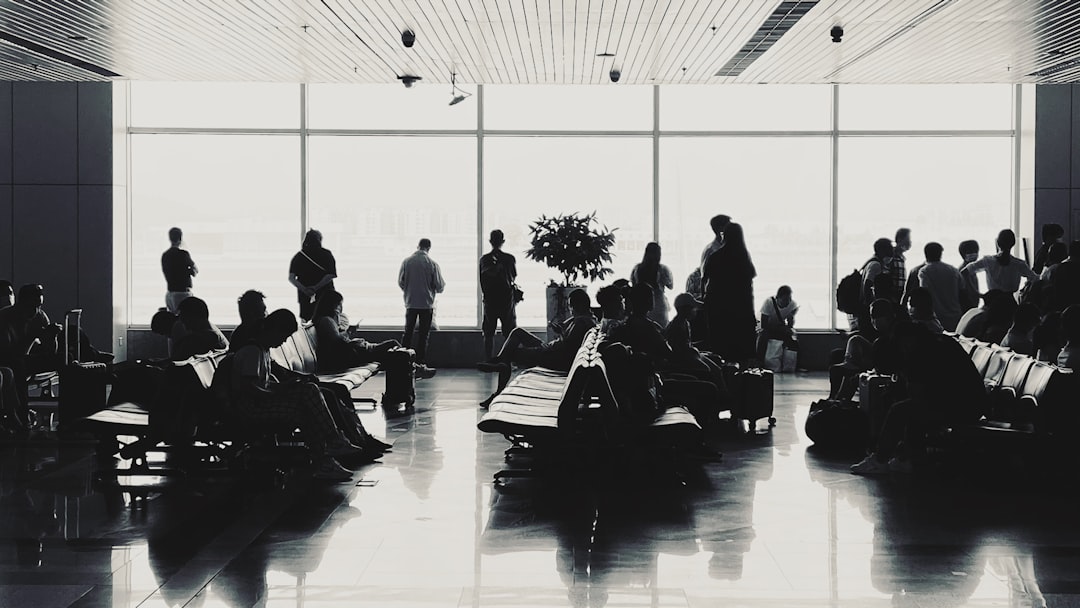
Scale of the Disruptions Hits Record Levels (Image Credits: Unsplash)
Airline passengers across the United States encountered unprecedented disruptions over the weekend and into this week. Tens of thousands of flights faced delays or cancellations amid a perfect storm of adverse weather, geopolitical conflict, and federal funding woes. Officials now warn that smaller airports risk closure without swift intervention. The chaos has stranded travelers and strained the nation’s aviation infrastructure to its limits.
Scale of the Disruptions Hits Record Levels
Sunday marked a grim milestone, with 10,740 flights delayed and 3,249 canceled within, into, or out of the U.S., data from FlightAware showed. The following day brought even worse figures: 12,926 delays and 4,863 cancellations. Major hubs bore the brunt, as more than half of flights into and out of Atlanta’s Hartsfield-Jackson Airport delayed, while over a third into or out of New York’s LaGuardia Airport vanished from schedules.
By early Tuesday morning at 8 a.m. ET, the tally stood at 1,156 delays and 215 cancellations, signaling no quick relief. The mounting backlog rippled through airports nationwide, leaving passengers in limbo and airlines scrambling to rebook. Such volumes overwhelmed control towers and ground crews alike.
| Day | Delays | Cancellations |
|---|---|---|
| Sunday | 10,740 | 3,249 |
| Monday | 12,926 | 4,863 |
| Tuesday (8 a.m. ET) | 1,156 | 215 |
Winter Storm and Tornadoes Wreak Havoc
Winter Storm Iona dumped record snowfall – up to three feet in Michigan and Wisconsin – across the Midwest from the weekend through Monday. The storm paralyzed runways and highways, grounding flights and complicating de-icing efforts. The Weather Channel documented the extreme conditions that caught even seasoned meteorologists off guard.
Compounding the misery, more than 20 tornadoes tore through Illinois, Kentucky, Georgia, and North Carolina in recent days. These violent outbreaks damaged infrastructure and diverted emergency resources from air travel recovery. Airports in affected regions reported persistent closures and reduced capacity as crews addressed safety concerns.
Oil Prices Surge from Middle East Conflict
A U.S.-Israeli military operation against Iran on February 26 escalated into full-scale war, claiming the life of Supreme Leader Ayatollah Ali Khamenei and at least 3,114 others, per a March 17 report from Human Rights Activists in Iran. The conflict shuttered key routes, including the Strait of Hormuz, choking global oil supplies and driving prices higher. Airlines responded with fare increases to offset soaring fuel costs.
Scandinavian Airlines announced the cancellation of over 1,000 flights scheduled for April, citing unsustainable expenses. The ripple effects reached U.S. carriers, who faced similar pressures amid volatile markets. Travelers now grapple with not just delays but steeper tickets for future trips.
TSA Reels from Prolonged Government Shutdown
The Department of Homeland Security shutdown entered its fifth week over stalled funding for Immigration and Customs Enforcement. Transportation Security Administration agents worked without paychecks, echoing hardships from the prior fall shutdown. Resignations mounted, with 366 officers departing, while callouts spiked dramatically – over 50% in Houston and more than 30% in New Orleans and Atlanta on Sunday and Monday.
Long security lines snaked through terminals, as documented widely online. TSA acting deputy Adam Stahl warned on Fox and Friends that prolonged strain could force closures. “As the weeks continue, if this continues, it’s not hyperbole to suggest that we may have to quite literally shut down airports, particularly smaller ones, if callout rates go up… A lot of those officers can’t afford to come in,” he stated. The agency urged Congress to act amid spring break travel peaks.
- Multiple factors – weather extremes, oil disruptions, and TSA shortages – have triggered over 17,000 delays and 8,000 cancellations in three days.
- Smaller airports face the gravest risks from staffing crises tied to the DHS shutdown.
- Global events like the Iran conflict continue to inflate fuel costs, promising higher fares ahead.
The convergence of these crises exposed vulnerabilities in America’s air travel system, from meteorology to geopolitics and politics. Swift resolutions on funding and diplomacy offer the only path to stabilization. As disruptions persist into spring, passengers must prepare for uncertainty. What steps would you take to navigate this air travel turmoil? Share your thoughts in the comments.