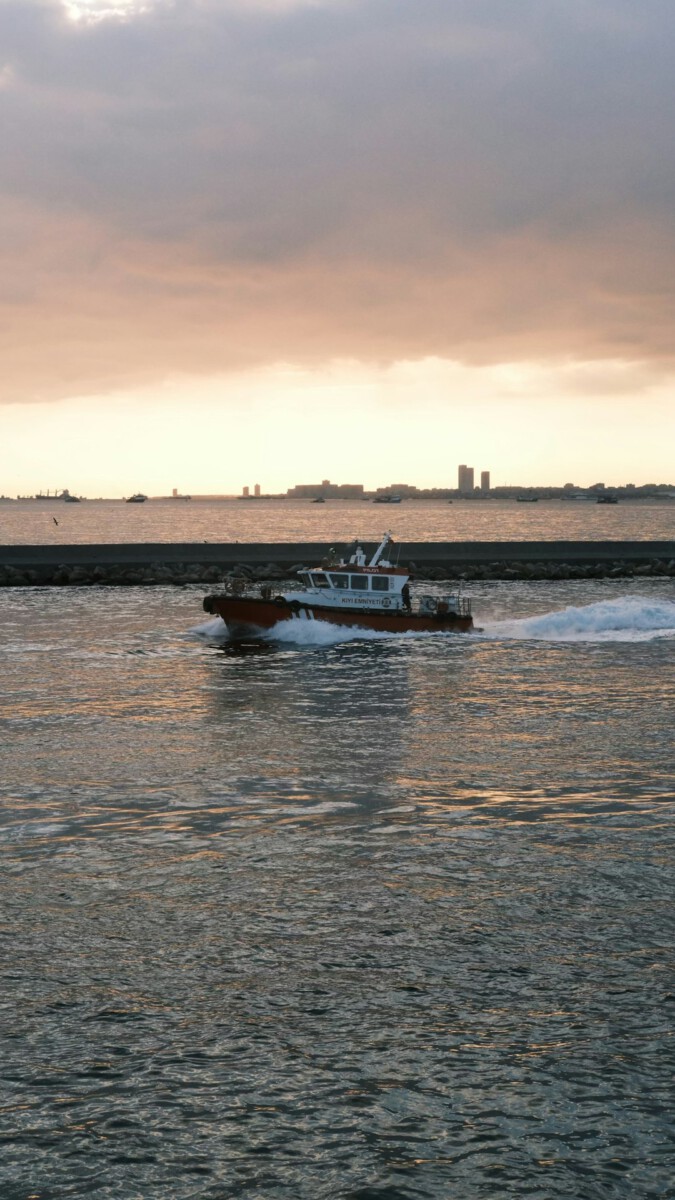


A Daring Boarding Operation Unfolds (Image Credits: Unsplash)
International tensions rose in the Caribbean Sea as American forces carried out another high-stakes maritime operation off the Venezuelan coast.
A Daring Boarding Operation Unfolds
The U.S. Coast Guard, backed by Navy support, executed a precise interdiction on a Panamanian-flagged oil tanker in international waters. Crew members rappelled from helicopters onto the vessel, securing control without reported injuries. Officials described the action as a direct response to ongoing sanctions against Venezuela’s oil trade. This marked the second such seizure in recent weeks, signaling a firm U.S. stance on enforcing economic restrictions. The operation highlighted the coordination between maritime agencies in remote oceanic environments.
Details emerged quickly after the event, with U.S. officials confirming the tanker’s cargo included sanctioned crude oil linked to Venezuelan and Iranian sources. The move came shortly after President Donald Trump directed a blockade on vessels involved in prohibited oil shipments. Such interceptions aim to disrupt networks evading international penalties. Observers noted the tactical efficiency, as teams stormed the bridge and detained the crew swiftly. This incident underscored the challenges of policing vast sea lanes amid geopolitical friction.
Escalation in U.S.-Venezuela Relations
Caracas reacted sharply, labeling the seizure as an act of piracy and theft. Venezuelan authorities vowed to raise the matter at the United Nations, accusing the U.S. of unlawful interference. The tanker, owned by a Chinese entity, did not appear on prior sanction lists, raising questions about the scope of American enforcement. This development represented a potential broadening of the blockade strategy. Tensions have simmered for years over Venezuela’s oil exports and U.S. sanctions imposed to pressure the Maduro regime.
Previous actions included a similar tanker grab earlier in the month, led primarily by Coast Guard teams. Those operations focused on vessels clearly tied to sanctioned entities. Now, with this second interception, analysts see signs of intensified monitoring in the region. The U.S. emphasized that all actions occurred in international waters, respecting maritime law. Still, Venezuela’s complaints could draw broader diplomatic scrutiny.
Strategic Implications for Global Oil Trade
The seizures disrupt a shadowy web of shipping that circumvents sanctions on Venezuelan petroleum. Key players, including Iran, have faced repeated U.S. measures to curb their involvement. Officials pointed out that the tanker’s route suggested attempts to blend and redistribute restricted oil. Such tactics have persisted despite international pressure. The Coast Guard’s role in these missions demonstrates its evolving mandate beyond traditional rescue duties.
Broader effects ripple through energy markets, where Venezuelan oil once played a larger role. Sanctions have forced alternative pathways, often through third-party flags like Panama. This latest event may deter other operators from risky ventures near Venezuelan ports. U.S. agencies continue surveillance with aerial and naval assets. The operations also involve international partners, though specifics remain classified.
Key Elements of the Interdiction
- Agency Lead: U.S. Coast Guard with Navy assistance.
- Vessel Details: M/T Centuries, Panamanian-flagged and Chinese-owned.
- Cargo: Sanctioned crude oil from Venezuela and potentially Iran.
- Location: International waters in the southern Caribbean.
- Outcome: Crew detained; vessel seized safely.
- Context: Follows first seizure in early December 2025.
Key Takeaways
- U.S. actions enforce sanctions on Venezuela’s oil sector, targeting evasion networks.
- This is the second tanker interception in weeks, indicating heightened enforcement.
- Venezuela plans UN complaints, viewing the moves as aggressive overreach.
As these maritime confrontations intensify, they highlight the high seas as a frontline in economic diplomacy. The U.S. commitment to sanctions remains unwavering, potentially reshaping regional trade dynamics. What implications do you see for international relations? Share your thoughts in the comments.