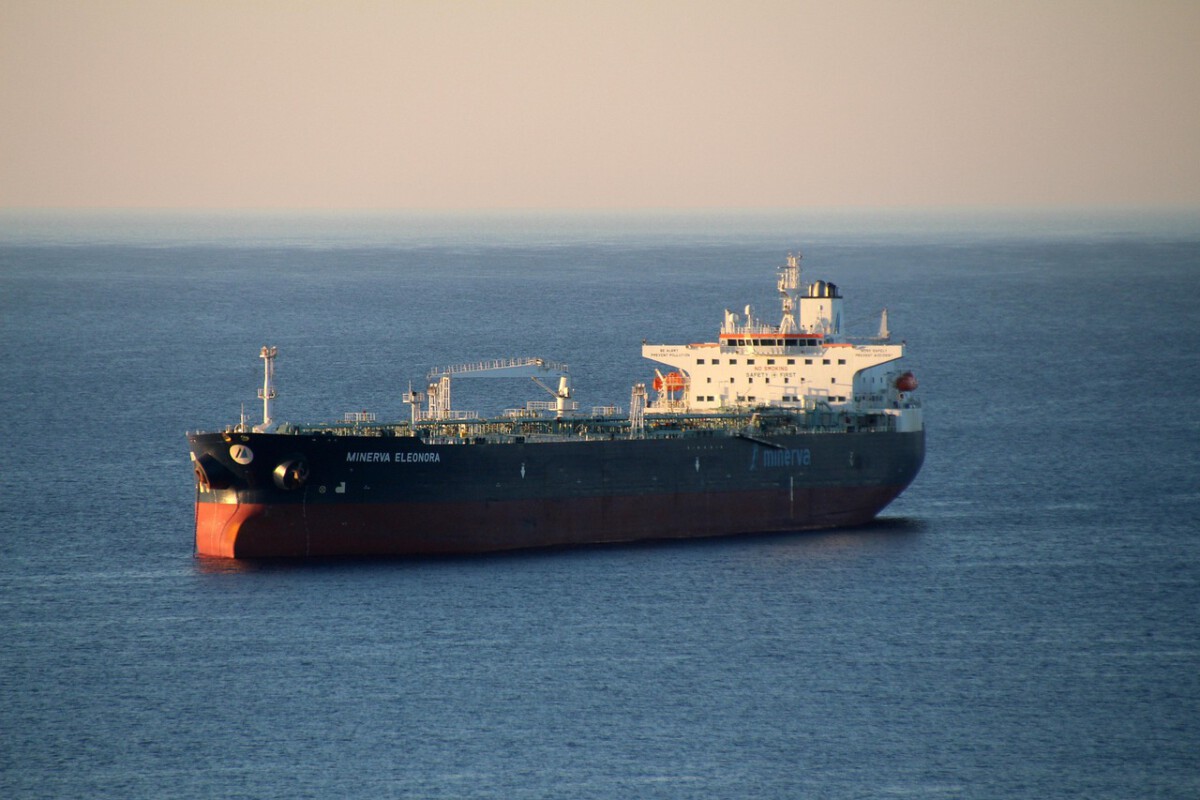


A Swift Escalation in Maritime Operations (Image Credits: Pixabay)
International waters near Venezuela have become a focal point for U.S. enforcement actions against sanctioned oil shipments.
A Swift Escalation in Maritime Operations
The U.S. Coast Guard launched its latest pursuit on December 21, 2025, targeting an oil tanker suspected of violating sanctions. This operation marks the third such effort in under two weeks, signaling a heightened campaign to disrupt Venezuela’s oil trade. Officials confirmed the vessel’s movements placed it squarely in the path of American interdiction teams. The rapid succession of these actions underscores the urgency behind the strategy.
Earlier seizures provided the blueprint for this approach. On December 10, forces boarded and took control of a crude oil tanker carrying sanctioned cargo from Venezuela and Iran. That vessel supported activities linked to foreign terrorist organizations, according to government statements. The current chase involves similar collaboration among agencies, ensuring coordinated response across the region.
Roots in Broader Sanctions Policy
These pursuits stem from long-standing U.S. efforts to curb Venezuela’s oil exports amid political and economic pressures. President Donald Trump directed a blockade targeting tankers entering or leaving Venezuelan ports with sanctioned oil. The policy aims to limit revenue streams that fund the Maduro regime. International waters provide the legal framework for these interventions, avoiding direct territorial disputes.
The second interception occurred just days before the latest one, when personnel seized a vessel off the coast. Although that tanker did not appear on the official sanctions list, the operation highlighted an expansion in enforcement tactics. White House officials emphasized the cargo’s illicit nature, tying it to broader networks evading restrictions. Such moves have drawn international attention, with reports of distress signals from pursued ships adding to the drama.
Key Players and Tactical Details
The U.S. Coast Guard leads these missions, often with support from the FBI, ICE, and the Department of Justice. Helicopters and fast-response teams facilitate boardings, as seen in video footage from prior seizures. The targeted vessels, part of the so-called “dark fleet,” frequently change flags or names to dodge detection. This latest tanker, linked to Iranian interests, was heading toward Venezuela in an empty state before the pursuit began.
Outcomes vary, but successful interdictions result in vessels being redirected to U.S. ports for further investigation. The Bella 1, for instance, remains at large as of December 22, with no boarding reported yet. Officials stress that all actions prioritize safety and adhere to international maritime law. These operations disrupt not just individual shipments but entire supply chains reliant on evasion.
Implications for Regional Stability
The intensified pursuits could reshape maritime routes in the Caribbean. Venezuela has protested these actions as aggressive, while U.S. allies monitor the fallout closely. Oil prices remain stable for now, but prolonged disruptions might ripple through global markets. Analysts note that such enforcement strengthens deterrence against sanction violators.
- Three operations in 12 days demonstrate operational tempo.
- Sanctions target oil linked to terrorism financing.
- International waters enable legal boardings.
- Collaborative agency efforts ensure thorough enforcement.
- Vessels often use deceptive tactics like flag changes.
Key Takeaways
- U.S. actions focus on sanctioned oil to pressure Venezuela’s government.
- Recent pursuits involve high-stakes chases in open seas.
- Global implications include potential shifts in energy trade dynamics.
As these maritime confrontations unfold, they highlight the ongoing geopolitical chess game in the Americas. The success of this blockade will likely influence future U.S. foreign policy in the region. What do you think about these escalating operations? Tell us in the comments.