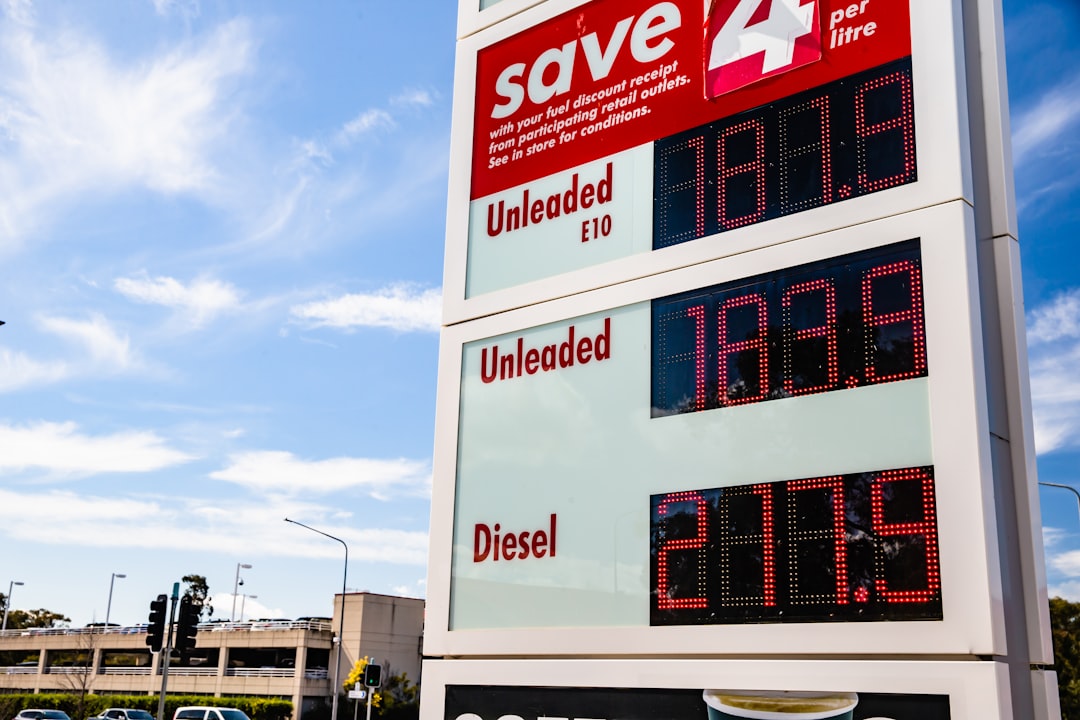
War in the Middle East Triggers Oil Supply Chaos (Image Credits: Unsplash)
Average prices for regular gasoline across the United States reached $4.02 per gallon on Tuesday, marking the first time they surpassed that threshold since 2022. Motor club AAA reported the increase, which stems directly from supply disruptions caused by the U.S.-Israel military campaign against Iran that began on February 28. Drivers now face costs more than a dollar higher than pre-conflict levels, reviving painful memories of the post-Ukraine invasion era.
War in the Middle East Triggers Oil Supply Chaos
Crude oil prices skyrocketed following strikes on key energy facilities in the region, sending ripples through global markets. The conflict halted tanker traffic through the Strait of Hormuz, a vital chokepoint for one-fifth of the world’s oil shipments. Major producers slashed output as export routes vanished, exacerbating shortages worldwide.
AAA data showed the national gas average climbing to $4.02, though some states already exceeded that figure due to local taxes and supply issues. Diesel fuel, essential for trucking, averaged $5.45 per gallon, a sharp rise from $3.76 before the war. In Paris, equivalents translated to about $10.27 per gallon, highlighting the broader strain on motorists everywhere.
Economic Strain Hits Households and Businesses Hard
Families already grappling with elevated living costs now diverted more income to fuel, prompting cutbacks elsewhere. Businesses faced hikes in transportation expenses, which fed into higher prices for everyday goods. A recent AP-NORC poll revealed 45% of U.S. adults expressed extreme or very high concern over affording gas in coming months, up from 30% after the 2024 election.
Groceries stood out as particularly vulnerable, with frequent restocking amplifying delivery costs. The United Postal Service proposed an 8% surcharge on select services like Priority Mail to offset rising fuel bills. These pressures turned fuel affordability into a key issue during this midterm election cycle, with Democrats criticizing Republican leadership on economic management.
- Higher utility bills from increased energy demands.
- Freight costs pushing up retail prices for packaged goods.
- Potential long-term inflation if conflict persists.
- Reduced consumer spending on non-essentials.
- Strain on low-income households reliant on personal vehicles.
Efforts Underway to Stabilize Supplies and Prices
The International Energy Agency committed to releasing 400 million barrels from member nations’ emergency reserves, including U.S. stockpiles, despite initial reluctance from the Trump administration. Officials also relaxed sanctions on Venezuelan and Russian oil temporarily and suspended Jones Act shipping rules for 60 days to boost domestic flows. These steps aimed to counter the immediate crude shortage.
Relief remained uncertain, however. Refineries operated on pre-purchased oil contracts, delaying cheaper supplies at pumps. Seasonal factors compounded the issue: spring road trips boosted demand, while refiners switched to costlier summer-blend gasoline.
| Fuel Type | Pre-War Average | Current Average |
|---|---|---|
| Regular Gasoline | Under $3.00 | $4.02 |
| Diesel | $3.76 | $5.45 |
America’s Oil Independence Offers Limited Shield
The United States exported more oil than it imported, providing some buffer against Middle East turmoil compared to import-heavy Asia. Yet global trading dynamics ensured price transmission to American pumps. East and West Coast refineries favored heavier imported crude over domestic light varieties, maintaining vulnerability.
Historical parallels underscored the risk. Prices peaked above $5 per gallon in mid-2022 after Russia’s Ukraine invasion and related sanctions. That episode saw averages dip below $4 by August, but the current war threatened a similar prolonged climb if disruptions endured.
Key Takeaways:
- Gas at $4.02 reflects war-driven crude spikes and supply halts.
- Expect broader price hikes in groceries and shipping soon.
- Reserve releases and sanctions relief may take weeks to impact pumps.
As the Iran conflict shows no quick resolution, American drivers brace for sustained high costs at the pump, with knock-on effects lingering across the economy. Policymakers’ interventions offer hope, but global interdependence leaves little room for isolation. What steps would you take to manage rising fuel expenses? Share your thoughts in the comments.