A Digital Stand-In for the Boss (Image Credits: Images.fastcompany.com)
Employees at Uber have developed an artificial intelligence tool modeled after their chief executive to refine presentations before they reach the top.
A Digital Stand-In for the Boss
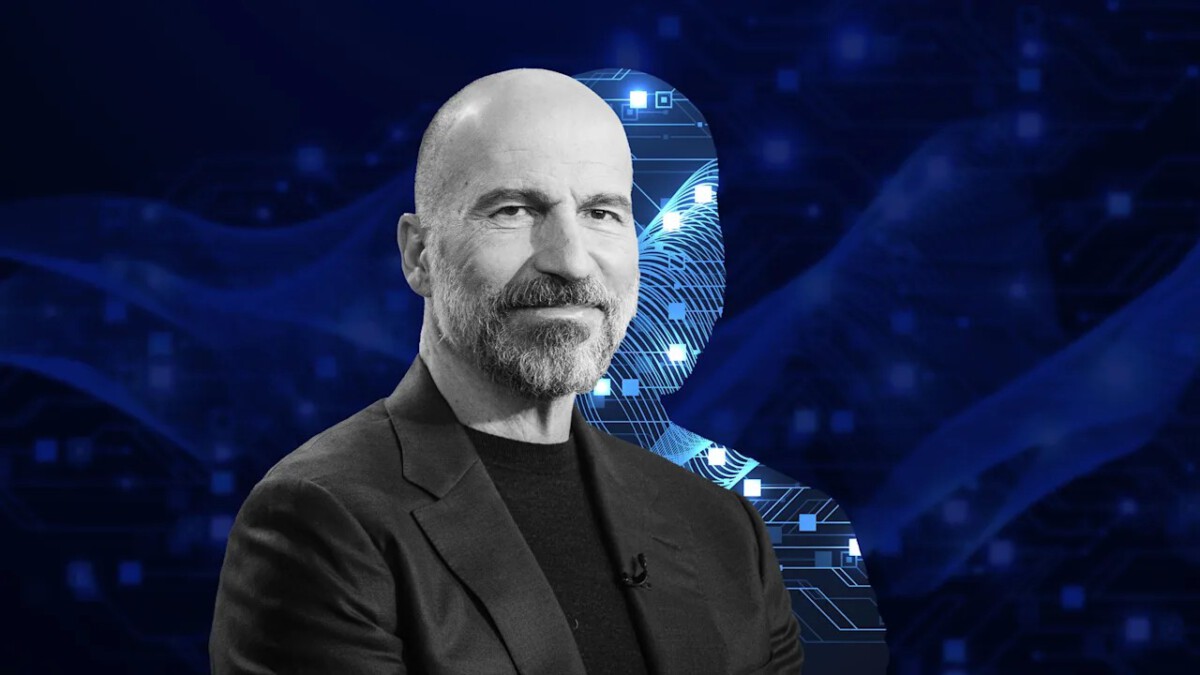
Dara Khosrowshahi revealed that teams within the company crafted an AI version of himself during a recent appearance on The Diary of a CEO podcast hosted by Steven Bartlett. This “Dara AI” simulates his feedback style and decision-making approach, allowing staff to test their slide decks in advance. By the time actual meetings occur with the CEO, materials arrive polished and ready.
Khosrowshahi noted the engineers behind the tool have kept the underlying code private, even from him. The innovation emerged organically from employee initiative, highlighting how AI tools adapt to internal needs. Podcast host Bartlett joked about presenting the AI to the board, prompting laughter from both.
Thriving in Uber’s Demanding Culture
The CEO described Uber’s environment as intensely performance-driven. Teams face high expectations, with swift feedback for underperformance and potential removal if issues persist. This pressure cooker fosters creativity, such as the Dara AI project.
Khosrowshahi emphasized a no-coasting mentality. Weekend emails from leadership test responsiveness, underscoring the relentless pace. Such dynamics push employees to leverage technology for efficiency.
AI’s Rising Role Across Workplaces
This case at Uber reflects wider trends in professional AI adoption. A Gallup survey of over 22,000 U.S. workers found that 12% use AI daily on the job. Meanwhile, a Deloitte report indicated eight in ten employees see AI aiding career development through personalized training.
Workers increasingly deploy AI for unconventional tasks, from content refinement to scenario simulation. At Uber, it streamlines preparation in a high-stakes setting.
- Simulates executive feedback to iterate quickly.
- Reduces meeting friction by pre-aligning content.
- Empowers teams without direct CEO access.
- Boosts overall presentation quality.
- Demonstrates bottom-up AI innovation.
Implications for Leadership and Tech
Leaders like Khosrowshahi embrace such experiments, viewing them as productivity enhancers. The AI’s existence underscores how executives’ styles can be digitized for broader use. It also raises questions about transparency, as the creators withhold details from the real CEO.
Broader discussions on AI’s workplace impact often focus on junior roles, yet examples like this show seniority levels engage too. Uber’s approach positions the company at the forefront of internal AI experimentation.
Key Takeaways
- Dara AI helps Uber teams perfect presentations via simulated CEO input.
- Company culture demands peak performance, fueling such tools.
- AI daily use hits 12% among U.S. workers, per Gallup.
Uber’s Dara AI experiment signals a shift where employees proactively harness technology to meet executive standards, potentially setting a model for other firms. As AI integrates deeper into routines, it promises sharper decision-making and less wasted time. What do you think about cloning your boss with AI? Tell us in the comments.