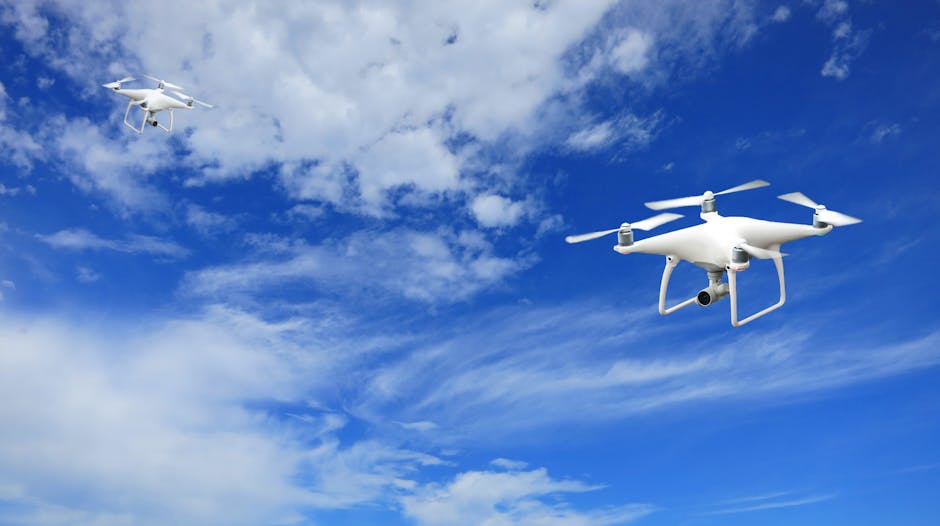
Expensive Defenses Overwhelmed by Cheap Swarms (Image Credits: Pexels)
The ongoing conflict with Iran has exposed stark vulnerabilities in American military defenses. Expensive missile systems struggle to counter waves of inexpensive drones launched by Tehran and its proxies. Ukraine, battle-tested against similar threats from Russia, offers a proven model of affordable, adaptable drone warfare that could reshape U.S. strategy in the Middle East.
Expensive Defenses Overwhelmed by Cheap Swarms
Iranian forces unleashed nearly 2,000 drones in the first week of the war, targeting U.S. bases across the region. Patriot missiles, priced at $4 million each, downed many but failed to stem the tide completely. A full Patriot battery costs around $1 billion, while adversaries deploy drones from simple trucks for a fraction of that price.
Seventeen U.S. sites sustained damage, including key installations in Bahrain, the UAE, Kuwait, Iraq, and Qatar. Even high interception rates of 93% to 97% allowed dozens to penetrate defenses. Civilian infrastructure suffered too, as a drone strike near Dubai International Airport ignited a fuel tank fire and halted operations briefly.
Ukraine’s Battlefield Innovation Takes Shape
Russia’s 2022 invasion forced Ukraine to pioneer drone-centric warfare against a numerically superior foe. Ukrainian troops initially relied on U.S.-supplied Javelins and HIMARS but soon pivoted to mass-produced drones for reconnaissance, strikes, and interception. Today, drones account for 80% of frontline operations.
Engineers transformed commercial models into lethal tools. Early adaptations involved DJI Mavics dropping grenades, evolving into over 500 approved designs by 2026. Costs plummeted: neutralizing a Russian soldier now averages $600 using surveillance and kamikaze drones, compared to $5,000-$6,000 per artillery shell.
- Small quadcopters for close-range attacks
- Medium drones carrying 22 pounds of explosives over 15 miles
- Sea drones that repelled Russia’s Black Sea fleet
- AI-enhanced systems resistant to jamming
Decentralized Production Powers Resilience
Ukraine avoided centralized factories vulnerable to strikes by distributing manufacturing across small, specialized sites. Units customize airframes with mission-specific payloads like cameras, fiber optics, thermite, or explosives. This modularity allows rapid adaptation without multimillion-dollar contracts.
Agricultural drones provided the foundation, as farmers repurposed crop monitors for scouting in 2014. Experts emphasize minimizing human exposure in a nation outnumbered by Russia. Kateryna Bondar, a defense technology specialist, noted that the military aims to “remove a human from the battlefield just to reduce and minimize the loss of human lives.”
Interceptor Drones Flip the Script
Ukraine countered Russian and Iranian-designed Shahed drones with affordable interceptors like Merops, Sting, and Octopus. These fit in duffel bags, cost $1,000-$2,500, and use AI for autonomous targeting. Wild Hornets’ Sting model downed 3,900 threats since May 2025 at speeds up to 195 mph.
SkyFall’s P1-SUN reaches 280 mph with thermal imaging, while Octopus operates at 15,000 feet. Last month, interceptors destroyed over 70% of Shaheds approaching Kyiv. NATO allies, including the UK, now license production; five nations plan joint development. The U.S. Joint Interagency Task Force 401 rushes Merops units to the Middle East, deployable from pickup trucks.
A Paradigm Shift for U.S. Military Doctrine
The Pentagon’s traditional arsenal – Patriots, THAAD, Phalanx guns – proves unsustainable against drone economics. Early war expenditures topped $4 billion in interceptors alone. Emerging options like lasers and microwaves promise unlimited shots but lag in deployment.
Adversaries adapt quickly: Russia’s Geran-5 outpaces current interceptors. Ukraine’s cycle of innovation every six weeks sets the pace. As one Ukrainian drone director observed, “This is a war of technology. And the one who is ahead will win this war.”
Key Takeaways:
- Ukraine’s drones cost hundreds, not millions, enabling economic superiority.
- Modular designs and distributed production ensure resilience under fire.
- AI-driven interceptors like Merops provide scalable counters to swarms.
The U.S. stands at a crossroads: cling to legacy systems or embrace Ukraine’s agile approach. Rapid adoption could restore balance in the skies over the Middle East. What steps should the Pentagon take next? Share your thoughts in the comments.