

The Hidden Subsidy in Agricultural Water Use (Image Credits: Flickr)
In the arid Southwest, where every drop from the Colorado River sustains millions, a stark divide exists in how water is valued and priced.
The Hidden Subsidy in Agricultural Water Use
A recent analysis revealed that large irrigation districts serving vast farmlands often receive Colorado River water at minimal or no cost from federal suppliers. This practice stems from long-standing policies designed to support agriculture in water-scarce regions. However, as the river faces unprecedented stress from drought and overuse, these low rates have drawn sharp criticism for perpetuating inefficiency.
The Bureau of Reclamation, which manages much of the river’s allocation, charges agricultural users fractions of what urban areas pay for the same resource. For instance, some districts in California, Arizona, and Nevada pay nothing at all for wholesale supplies that irrigate millions of acres. This disparity not only burdens taxpayers but also discourages the adoption of water-saving technologies on farms.
Experts point out that such pricing fails to reflect the true value of the water amid climate change pressures. Without adjustments, the system risks accelerating the river’s decline, which supplies 40 million people and supports 5.5 million acres of cropland across the West and into Mexico.
How Low Prices Fuel Overconsumption
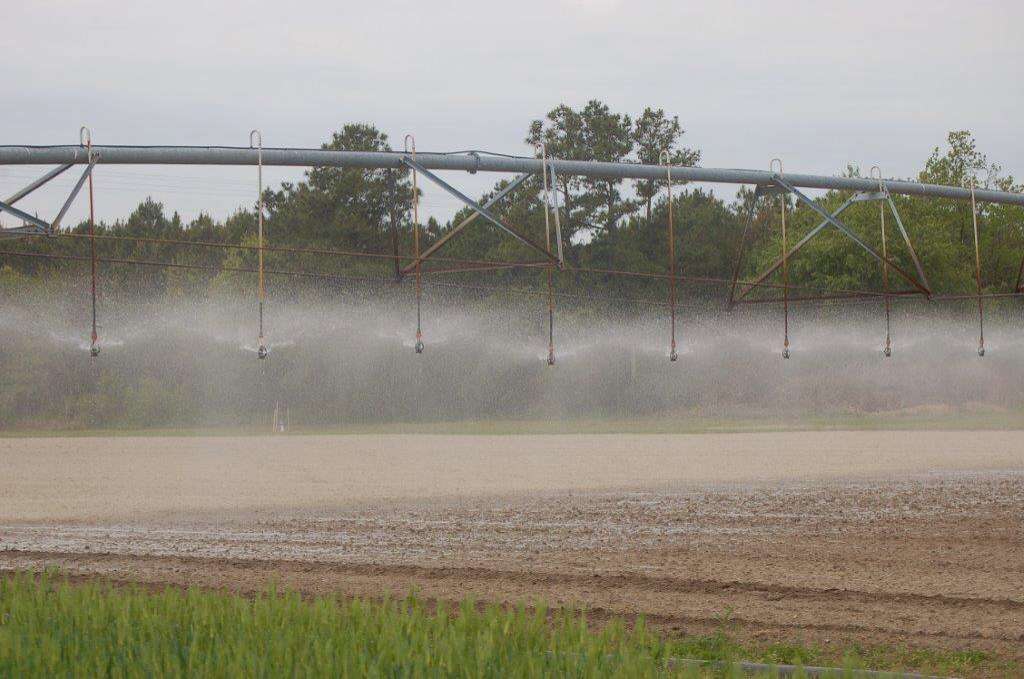
Agriculture consumes the lion’s share of Colorado River water, accounting for about three-quarters of diversions, yet pays the least for it. Cities like Los Angeles and Phoenix face bills exceeding $2,500 per acre-foot, while major farming agencies secure it for under $10 or free. This imbalance creates a cycle where abundant cheap water leads to expansive but wasteful irrigation practices.
Hay and alfalfa fields, key for livestock feed, alone use 46 percent of diverted water in some states, highlighting how subsidized rates prioritize volume over sustainability. Critics argue that “use it or lose it” rights further exacerbate the issue, pressuring farmers to maximize usage rather than conserve.
Recent studies from organizations like the Natural Resources Defense Council and UCLA underscore that these policies, dating back decades, no longer align with modern realities. As reservoirs like Lake Mead hit critically low levels, the need for equitable pricing grows more urgent.
Calls for Reform and Potential Solutions
Researchers and environmental groups now advocate for overhauling the pricing structure to better account for scarcity. Proposals include imposing surcharges on federal water deliveries and tying rates to conservation efforts. Such changes could generate revenue for infrastructure upgrades while incentivizing efficient farming techniques.
In California, where the Central Valley Project delivers water through state aqueducts, similar inequities persist. Urban agencies shoulder higher costs to fund maintenance, while agricultural beneficiaries contribute little. Advocates suggest tiered pricing that rewards low-water crops and penalizes high-use ones.
Negotiations among the seven Colorado River basin states continue, with federal involvement key to any agreement. A new report urges the incoming administration to prioritize these reforms in upcoming talks, warning that inaction could lead to mandatory cuts affecting all users.
| Water User Type | Average Wholesale Price per Acre-Foot | Key Examples |
|---|---|---|
| Urban Agencies | $1,000–$2,500+ | Los Angeles, Phoenix |
| Agricultural Districts | $0–$50 | Imperial Irrigation District, Central Arizona Project farms |
Broader Implications for the West’s Water Future
Beyond immediate pricing, the debate touches on equity and resilience in a changing climate. Free or cheap water for agriculture sustains food production but strains a shared resource vital for urban growth and ecosystems. Shifting to market-based rates could foster innovation, like drought-resistant crops and recycled water systems.
Stakeholders from farming communities express concerns that higher prices might drive up food costs or force land fallowing. Yet, proponents counter that gradual reforms, paired with support programs, would ease the transition without disrupting economies.
The Colorado River’s management remains a flashpoint in Western politics, with recent analyses emphasizing the need for balanced approaches. As 2026 negotiations loom, the outcome could redefine how the region values its most precious asset.
Key Takeaways
- Agricultural users often pay nothing for Colorado River water, while cities face steep fees.
- Low prices hinder conservation and exacerbate river shortages.
- Reforms like surcharges could promote sustainability and fairness.
Addressing these pricing inequities offers a pathway to a more resilient Colorado River, ensuring its benefits endure for generations. What steps do you believe are essential to balance water use in the West? Share your thoughts in the comments.