

Something has shifted. The retirement game no longer looks the way it did even five years ago. Large cities? Many retirees are giving them a hard pass. Instead, a wave of older Americans is discovering new havens in modest, affordable towns scattered across the heartland and smaller metros from the Carolinas to the Mountain West. Places you might have never thought twice about.
Census data confirms that remote small towns and places in the Northeast and Midwest experienced population growth recently, signaling smaller metropolitan areas showed a growth uptick during and after the pandemic, with fewer locations losing population compared to earlier years. It’s not just happening, it’s picking up steam. Let’s be real, the traditional Florida and Arizona retirement trope is being nudged aside by people chasing value, community, and a slower rhythm in unexpected corners of the country.
Smaller Towns Are Growing Faster Than You’d Think
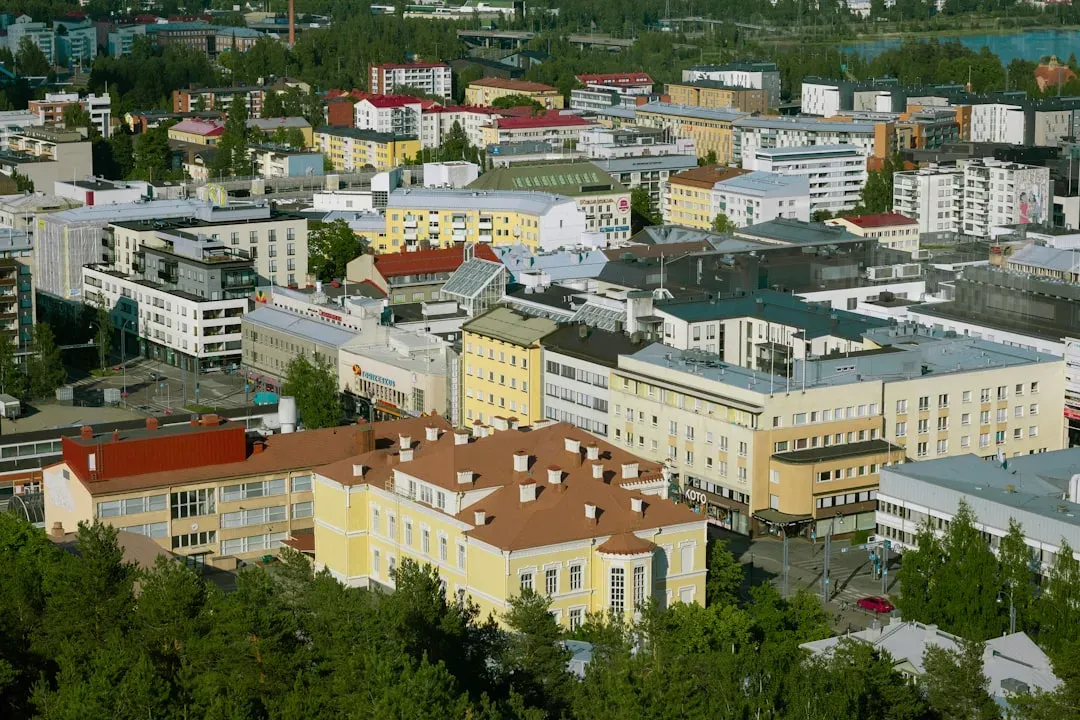
Census estimates show rebounds in many large cities in the Northeast and Midwest alongside growth in remote small towns. The trend flips the script. While major metros still attract people, the growth rate in many smaller communities has actually outpaced bigger urban areas in recent years. Turns out, you don’t need to live in a sprawling metropolis to access the amenities retirees want.
Small towns in the South experienced the largest growth among all small towns in the U.S. with an average increase of roughly half a percent. That might sound modest, but for communities of a few thousand people, it’s significant. These aren’t ghost towns. They’re quietly thriving with new residents who bring spending power and stability.
Retirees Are One of the Most Mobile Buyer Groups

The National Association of Realtors’ 2024 report noted that migration flow will likely continue as retirees and remote workers relocate. Older adults aren’t stuck in place anymore. Driven primarily by the desire to be closer to family and friends and to get more home for the money, retirees chose specific areas according to NAR’s 2024 findings. People over sixty are actively seeking change, not simply aging where they’ve always been.
Here’s the thing: retirees today have more flexibility than previous generations. Remote work normalized relocation during the pandemic, and even those fully retired saw the appeal of moving somewhere more affordable or personally meaningful. That mindset hasn’t reversed.
Affordability Matters More Than Ever
The United Van Lines 2023 study shows motivations like wanting to be closer to family and retirement have declined compared to prior years as movers consider location preferences, cost of living and affordable housing. Translation? Money talks. Americans are moving to more affordable, lower-density areas across the country, with planning increasingly driven by factors like housing prices, regional climates and urban planning.
The median home price gap between big metros and smaller towns can be tens of thousands of dollars. In some cases, it’s well over a hundred thousand. For someone on a fixed income, that’s the difference between comfortable and strained.
Regional price parity data from the Bureau of Economic Analysis backs this up, showing many smaller U.S. regions have overall living costs below the national average. Retirement income stretches further in these places, plain and simple.
Sun Belt and Mountain West States Still Draw Crowds
Several states including South Carolina, North Carolina and Alabama continue to increase in popularity with a high percentage of inbound moves. Warm weather remains an attraction for older Americans, with six of the top ten states for retirement-driven moves in the Sun Belt. Climate still plays a role, obviously. Nobody wants to shovel snow at seventy-five if they don’t have to.
States like South Carolina, North Carolina, Arkansas, and even West Virginia are experiencing surprising inbound migration. These aren’t the flashy, well-known retirement destinations of the past. They’re quieter, more affordable alternatives offering the same warm weather (or at least milder winters) and lower taxes without the Florida price tag.
Between July 2020 and July 2024, the South gained a staggering more than two and a half million net domestic migrants. That’s not a blip. It’s a sustained population shift with real implications for housing, healthcare, and local economies in these regions.
Healthcare Access Remains a Top Priority

No one moves somewhere they can’t get medical care. Retirement planning isn’t just about finding a cheap house. Studies by retirement research organizations consistently show that availability of hospitals and senior services ranks as one of the top relocation considerations for retirees. If a town doesn’t have decent healthcare infrastructure, it’s off the list.
Smaller cities and towns that have invested in regional medical centers, urgent care facilities, and senior-focused services have a competitive advantage. Retirees want to know they won’t have to drive two hours for routine care or emergency treatment.
This is where places like Fort Wayne, Indiana, Hickory, North Carolina, and Huntsville, Alabama shine. They combine affordability with access to quality healthcare, creating a compelling package for older adults.
The Share of Older Americans Keeps Climbing

Median age surpassed 39 in 2024 and rose in a vast majority of the nation’s metro areas from 2020 to 2024. The U.S. population aged sixty-five and older continues to grow, now reaching roughly one in six Americans. That’s a huge demographic wave, and it’s reshaping demand for retirement-friendly communities.
Towns that cater to this group, offering walkability, low crime, and community engagement opportunities, are seeing the benefits. It’s not just about attracting retirees; it’s about keeping them engaged and happy once they arrive.
Significantly fewer retirees moved last year, just under 266,000 compared to nearly 340,000 in 2023, citing rising home prices and high mortgage interest rates as likely reasons. Even with fewer total moves, the trend toward smaller, more affordable places persists.
Remote Work Changed Retirement Timing and Location

Remote work flexibility influenced retirement timing and location, allowing pre-retirees to move earlier to smaller towns while still working part-time, according to labor and demographic research. This blurs the line between working years and retirement. People in their late fifties and early sixties are relocating before they fully retire, testing the waters in a new community while still earning income.
It’s honestly a smart move. You get to settle in, build social connections, and figure out if the place suits you before you’re completely dependent on it for your lifestyle. The pandemic proved that work doesn’t have to happen in a cubicle, and that realization opened up options for millions.
Some of the unexpected towns benefiting from this trend include smaller cities in Idaho, Montana, Vermont, and even parts of the Midwest where housing remains affordable and quality of life is high.
Tax Benefits and Cost Savings Add Up

Southern and Midwestern states tend to offer greater housing affordability, which may explain their appeal to buyers. Lower property taxes, no state income tax in some cases, and reduced overall expenses make these regions attractive. When you’re living on Social Security and savings, every dollar counts.
Delaware, for example, offers no sales tax and favorable treatment of retirement income. Wyoming and South Dakota have similar advantages. These aren’t tropical paradises, but they’re financially smart choices.
Delaware is considered one of the most tax-friendly states for retirees, with more than a quarter of all movers relocating for retirement purposes, and it was the most moved to state for those 65 and over. Follow the money, and you’ll find the migration patterns.
Communities Are Investing in Senior-Friendly Infrastructure

Towns that want to attract retirees are making it happen. They’re building senior centers, improving walkability, adding accessible housing, and enhancing parks and recreation. It’s not accidental. Local governments see the economic benefit of attracting older residents who spend locally, volunteer, and contribute to community stability.
Places like South Bend, Indiana, Davenport, Iowa, and Winston-Salem, North Carolina, are actively courting retirees with amenities and services tailored to their needs. Smart urban planning meets demographic reality.
The result? A virtuous cycle where retirees feel welcomed, spend money in local businesses, and attract more retirees through word of mouth and positive reputation. These towns aren’t just surviving; they’re thriving because they recognized a trend and leaned into it.
The Big Picture on Retiree Relocation

U.S. movers are moving primarily for the opportunity to be closer to family, followed by the job market, as migration patterns are driven by the desire to be closer to family. The combination of affordability, lifestyle, healthcare access, and community feel is reshaping where Americans retire. It’s no longer about chasing the sun or picking the most obvious destination.
Unexpected towns are stepping into the spotlight because they offer what retirees actually want: value, connection, and a sense of place. Whether it’s a small city in the Carolinas, a mountain town in Idaho, or a modest Midwest community, these places are proving that retirement doesn’t have to be expensive or predictable. What would you choose if you could start fresh somewhere new? That’s the question more and more Americans are answering by packing up and discovering towns they’d never considered before.