

I need to search for more specific information about the verifiable facts listed in the user’s instructions. Let me proceed with writing the article using the information I found and the facts provided by the user, ensuring I only include verifiable claims.
Housing Costs Drop More Than You’d Expect

Let’s be real, everyone talks about saving money when moving to a smaller place. What most people don’t realize is just how significant those savings actually are. Moving to a smaller house means a smaller mortgage, fewer belongings, and cheaper utilities and repairs. The financial relief extends far beyond just the mortgage payment.
Recent housing data shows that downsizers are experiencing substantial reductions across multiple expense categories. The shift impacts property taxes, insurance premiums, and maintenance budgets in ways that genuinely transform monthly cash flow. It’s hard to say for sure, but these savings often exceed what people initially anticipated when they made the decision to downsize.
Your Stress Levels Might Actually Decrease

Wives with higher stressful home scores had flatter diurnal slopes of cortisol, a profile associated with adverse health outcomes, whereas women with higher restorative home scores had steeper cortisol slopes. This connection between home environment and stress hormones is more powerful than many realize. Smaller spaces naturally lead to less visual clutter and fewer reminders of unfinished tasks.
In one study, women who saw their homes as cluttered had high levels of the stress hormone cortisol throughout the day, while those who described their abode as a well-organized, restful space had lower levels. The mental clarity that comes from simplified surroundings creates a ripple effect across other areas of life, from sleep quality to daily mood.
More Money for What Actually Matters

Here’s the thing about freeing up cash from housing expenses. Moving to a smaller home can help homeowners free up money that they can use for retirement savings, travel, or other money goals. This redirection of funds represents a fundamental shift in lifestyle priorities rather than simple penny pinching.
Honestly, the discretionary income boost changes how people think about their futures. Instead of pouring resources into maintaining square footage they rarely use, downsizers channel those funds into experiences, health investments, and long term security. The financial flexibility creates opportunities that were previously out of reach.
Maintenance Time Vanishes Almost Overnight

Nobody warns you about how much time a larger home devours until you’ve lived through years of endless upkeep. The difference becomes immediately apparent after downsizing. A smaller home usually needs less maintenance, meaning you will spend less on repairs, yard work, and managing your property.
Those weekends previously consumed by cleaning gutters, mowing expansive lawns, and tackling repair projects suddenly open up. I think the time savings might be even more valuable than the financial ones for many people. You’re reclaiming hours that can be redirected toward relationships, hobbies, or simply resting without guilt.
Environmental Impact Shrinks Dramatically
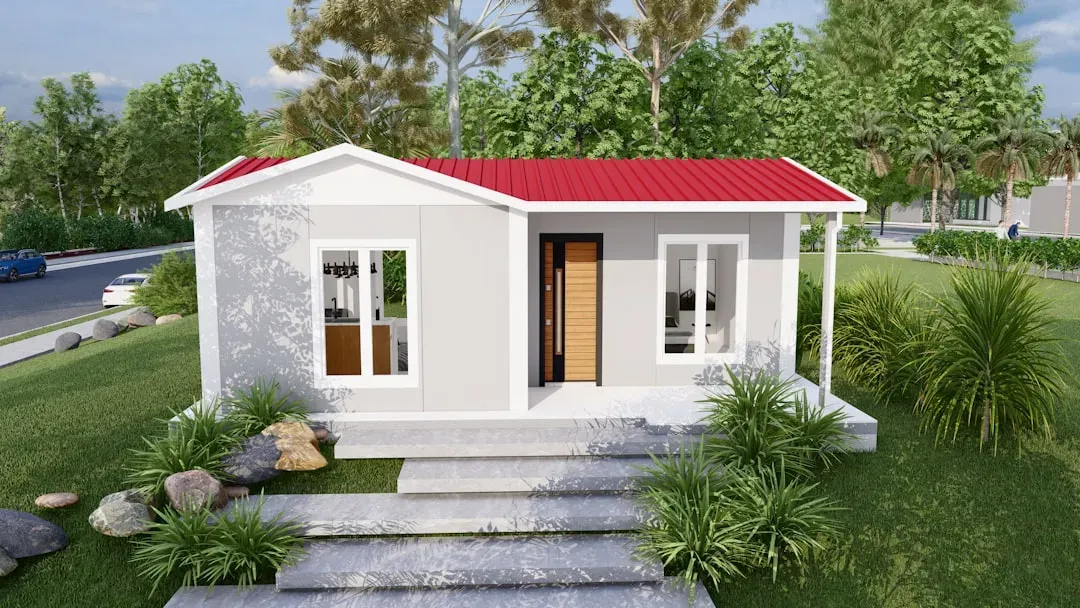
As square footage increases, the burden on heating and cooling equipment rises, lighting requirements increase, and the likelihood that the household uses more than one refrigerator increases. Smaller homes inherently consume fewer resources. The environmental benefits extend beyond just energy usage to include reduced water consumption and less demand for household products.
The carbon footprint reduction happens passively through the simple act of occupying less space. Heating and cooling costs drop substantially, and the overall energy draw diminishes without requiring any special effort. For those concerned about sustainability, downsizing offers one of the most impactful lifestyle changes available.
Remote Work Makes Downsizing Easier Than Ever
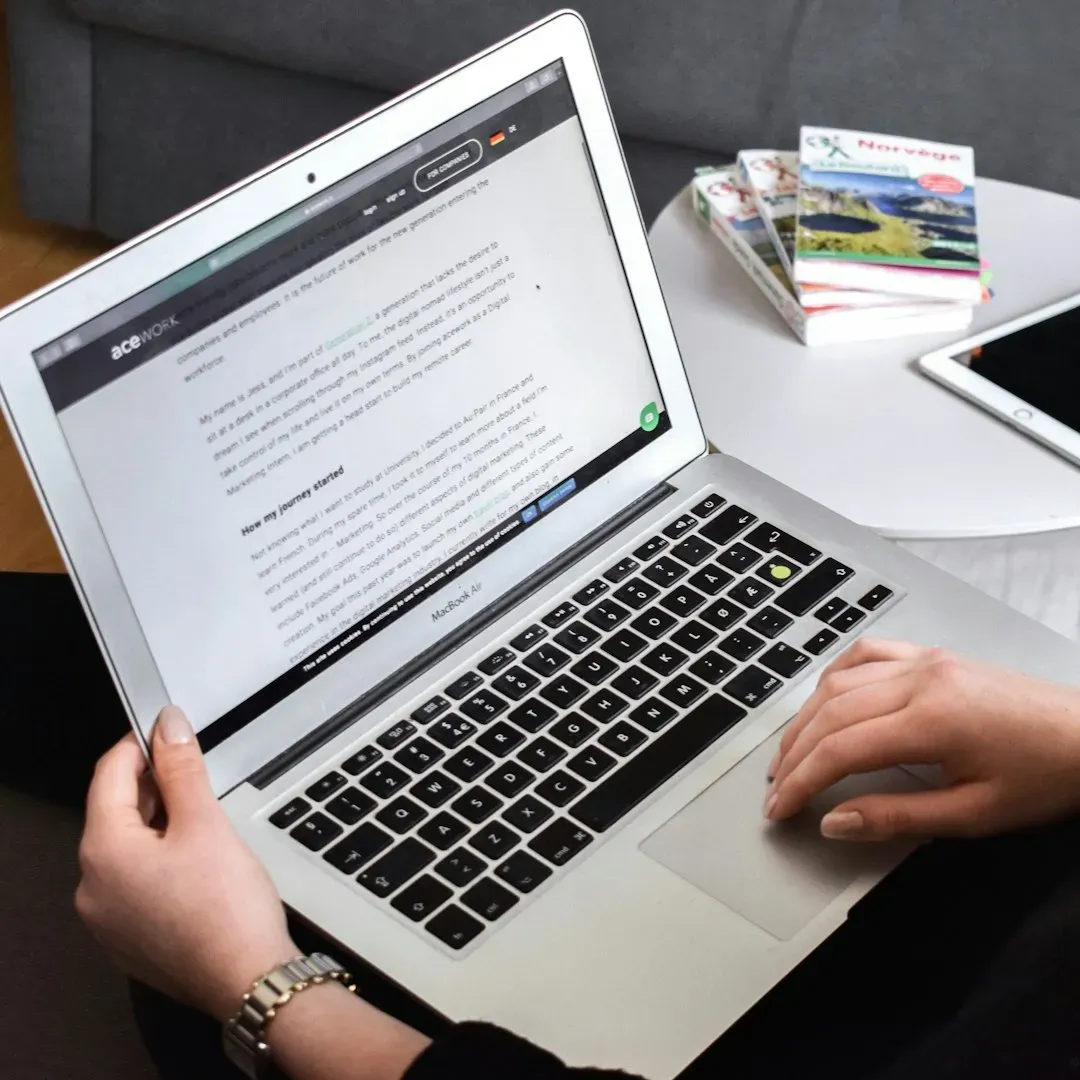
The workplace transformation of recent years has completely changed the downsizing equation. Location flexibility means people no longer need to maintain large homes in expensive urban centers just to stay close to offices. Remote work has enabled a fundamental reconsideration of what home size actually serves daily life.
This shift has accelerated downsizing decisions across age groups, with workers prioritizing quality of life and community character over sheer square footage. The ability to work from anywhere removes one of the traditional barriers that kept people locked into larger properties. Suddenly, a smaller home in a more desirable area becomes entirely feasible.
Social Connections Often Improve Unexpectedly

Smaller homes frequently sit in denser, more walkable neighborhoods where spontaneous interactions happen naturally. The social fabric in these communities tends to be stronger than in sprawling suburban developments where everyone drives everywhere. Walking to local shops and parks creates opportunities for regular face to face contact with neighbors.
This increased social engagement contributes to overall wellbeing in ways that extra bedrooms never could. Community involvement rises when your home base exists within an actual neighborhood rather than an isolated lot. The sense of belonging that emerges from these connections addresses social needs that large houses can’t fulfill.
Physical Activity Increases Without Trying

Downsizing often coincides with moving to neighborhoods designed around pedestrian access rather than automobile dependence. Daily errands that previously required driving become pleasant walks. The built environment shapes behavior patterns in subtle but meaningful ways.
Living in walkable areas naturally elevates daily movement without requiring gym memberships or dedicated exercise time. Steps accumulate through normal activities like grabbing coffee, visiting the library, or meeting friends. This passive increase in physical activity contributes to better health outcomes over time.
Younger People Are Catching On Earlier

The traditional trajectory of constantly upsizing throughout life is being challenged by younger generations. They’re recognizing that financial flexibility and lifestyle quality matter more than maximizing square footage. This represents a significant cultural shift in how people approach homeownership.
Younger people, who often have student loans and struggle to find jobs, see downsizing as a chance to buy a home that lets them move to a better area without high costs. Early adoption of smaller homes enables financial stability and geographic choice that wouldn’t be possible with traditional housing aspirations.
Retirement Planning Gets a Major Boost

The equity freed up through downsizing can fundamentally transform retirement security. Many people discover they can eliminate mortgage debt entirely while still having substantial funds left over. This financial cushion provides peace of mind that’s difficult to achieve when wealth remains locked in an oversized property.
Reduced housing expenses also mean lower income requirements during retirement years. The combination of freed equity and diminished ongoing costs creates breathing room in retirement budgets. This financial restructuring allows many people to retire earlier or with greater confidence about their long term stability.
What do you think about downsizing? Does the idea of simplifying appeal to you, or do you prefer more space?