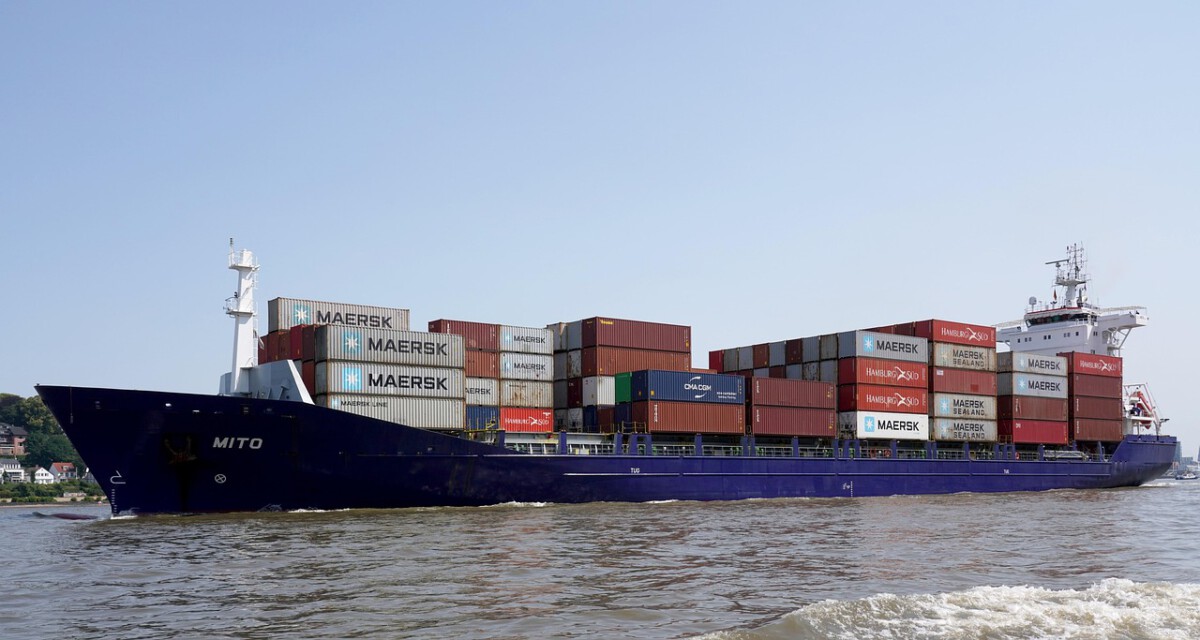
What Defines Supply Chain Visibility? (Image Credits: Pixabay)
Supply chain visibility has become indispensable for companies navigating complex global operations amid frequent disruptions.
What Defines Supply Chain Visibility?
Supply chain visibility refers to the strategic ability to monitor every element of the supply chain from end to end.[1][2] This capability provides real-time insights into inventory levels, shipment statuses, production schedules, and warehouse activities. Businesses gain transparency from raw material sourcing through to final product delivery. Such oversight ensures all stakeholders, including suppliers and partners, access accurate data for collaborative decision-making.
The concept extends beyond basic tracking to include financial and informational flows tied to products.[3] It demands data integration across disparate systems and fosters cooperation among parties. Without this foundation, operations remain reactive rather than proactive. Companies that prioritize visibility build resilient networks capable of handling unpredictability.
Enhancing Efficiency in Operations
Real-time tracking eliminates bottlenecks and streamlines processes across the supply chain.[2] Firms identify inefficiencies quickly, such as delays in production or logistics, and adjust accordingly. Automation supported by integrated data further accelerates workflows. This leads to shorter cycle times and better resource allocation.
Advanced analytics powered by AI and machine learning turn vast data into actionable intelligence.[1] Forecasting improves with historical and current trends, aligning supply with demand. Operational agility rises as teams respond swiftly to market shifts. Overall, visibility transforms fragmented activities into a cohesive system.
Achieving Cost Savings and Risk Mitigation
Optimized inventory management prevents overstocking and stockouts, directly cutting expenses.[1] Businesses avoid excess production by matching output to real demand signals. Reduced waste from delays or redundancies adds further savings. Manual handling decreases through automation, minimizing errors and labor costs.
Risk management strengthens as potential disruptions become visible early.[4] Companies assess supplier practices and environmental factors proactively. Compliance with regulations eases, avoiding penalties. A central view of operations enables prioritization of threats before they escalate.
Improving Customer Satisfaction Through Transparency
Accurate order fulfillment builds trust with reliable delivery timelines.[1] Customers receive updates on shipments, setting realistic expectations. Faster responses to issues enhance service quality. Traceability reassures buyers about product origins and safety.
Brand loyalty grows as satisfaction metrics improve.[3] Positive experiences lead to repeat business and recommendations. In competitive markets, this edge proves vital. Visibility aligns operations with consumer demands for speed and ethics.
| Aspect | Without Visibility | With Visibility |
|---|---|---|
| Efficiency | Bottlenecks and delays | Streamlined processes |
| Costs | Overstock and waste | Optimized inventory |
| Customer Service | Uncertain timelines | Reliable updates |
Key Takeaways
- Real-time monitoring drives efficiency and cuts costs across operations.
- Risk mitigation and compliance protect against disruptions.
- Transparency elevates customer trust and loyalty.
Supply chain visibility equips businesses to thrive in volatile environments by fostering agility and informed strategies. What steps will your organization take to gain this advantage? Share your thoughts in the comments.