
There’s something magical about walking into your own backyard and plucking fresh tomatoes off the vine, or watching bright flowers bloom from seeds you planted months ago. More people are discovering this joy lately. The pandemic changed how we think about food, where it comes from, and what we do with our time at home.
Over 43 percent of Americans are now growing some kind of food at home, up from about 35 percent of households in earlier years. That’s a significant jump. It shows we’re not just buying more houseplants – we’re actually getting serious about growing things. Whether you’re completely new to this or already have dirt under your fingernails, there’s always more to learn about making your backyard garden truly thrive.
Understanding Your Soil Before You Plant
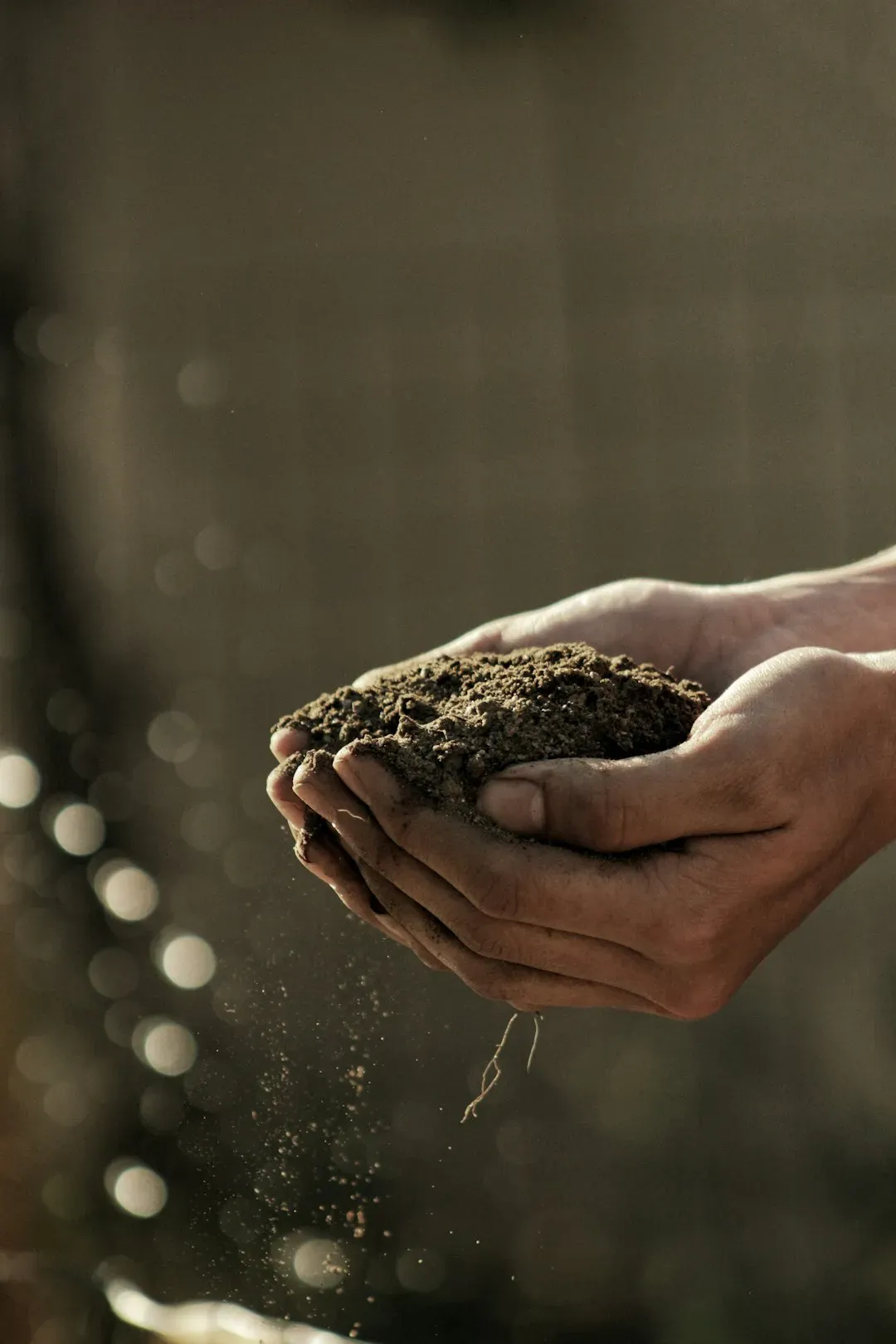
Here’s the thing most beginners skip: knowing what’s actually in your dirt. You wouldn’t bake a cake without checking if you have flour, right? Same logic applies here. Soil isn’t just soil.
According to the National Gardening Association Special Report, roughly one in three households in the United States grow their own food, and extension programs stress that soil testing before planting significantly improves yield. Testing your soil tells you the pH level, nutrient content, and what amendments you might need.
Most county extension offices offer affordable soil testing services. Send them a sample, and they’ll send back a report with recommendations. It sounds technical, yet it’s surprisingly straightforward. Sandy soil drains fast but holds few nutrients. Clay soil holds water but can suffocate roots. Loamy soil is the goldilocks option.
The Power of Composting Your Kitchen Scraps
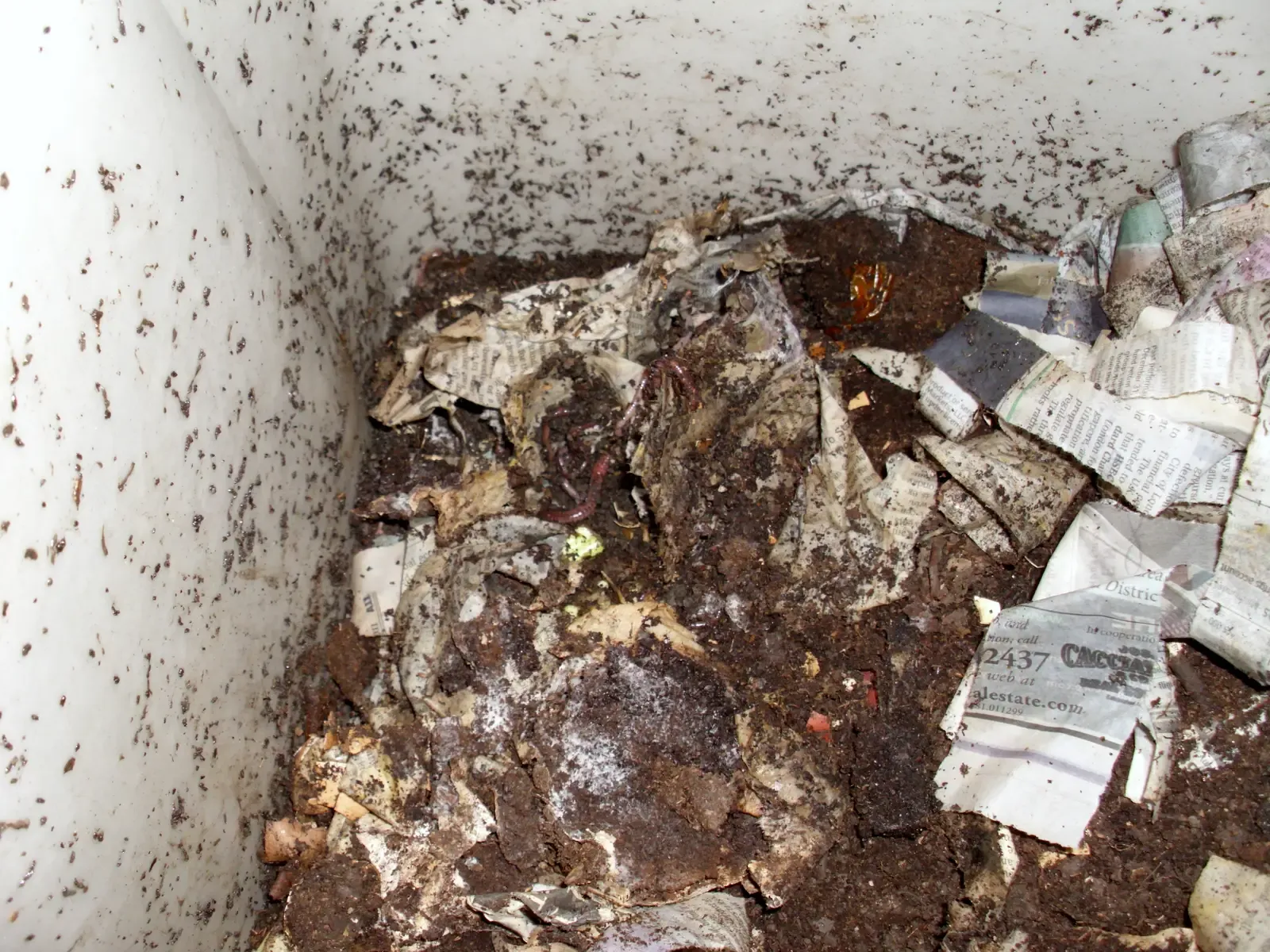
Let’s be real, throwing away banana peels and coffee grounds feels wasteful when they could be feeding your garden instead. Composting isn’t just for hippies or people with too much time. It’s actually one of the smartest moves a home gardener can make.
In the United States, food is the single most common material sent to landfills, comprising roughly one quarter of municipal solid waste, and when yard trimmings, wood and paper are added to food, these organic materials comprise over half of municipal solid waste in landfills. When you compost, you’re keeping valuable nutrients out of the trash and putting them right where they belong – back into the earth.
In 2019, roughly 66 million tons of wasted food were generated in the food retail, food service and residential sectors, yet only five percent of that wasted food was composted. Think about that for a second. Such a tiny fraction. Starting a compost bin is easier than you think. Just layer green materials like vegetable scraps with brown materials like dried leaves, keep it moist, turn it occasionally, and let nature do the rest.
Choosing the Right Plants for Your Climate
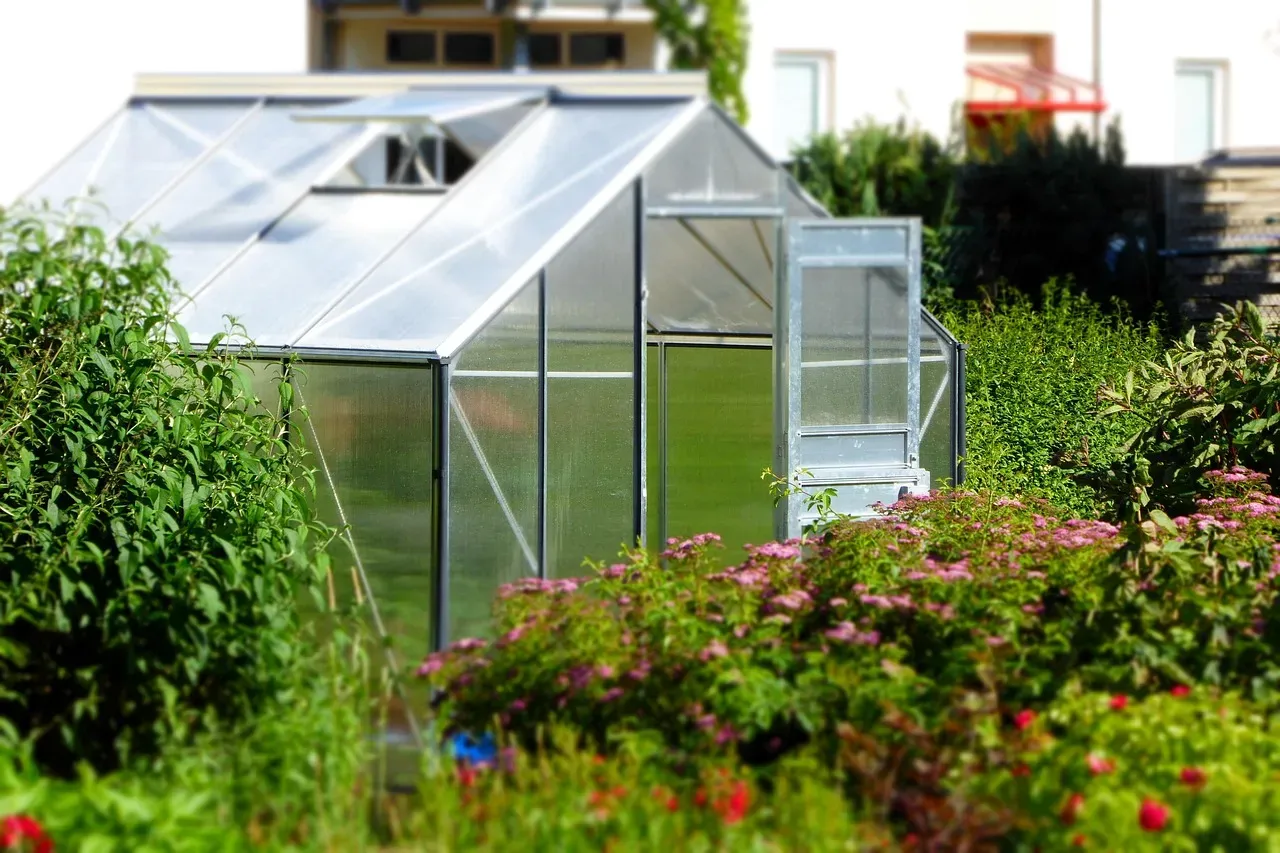
You can’t force a tropical plant to thrive in a cold climate, no matter how much you baby it. I know it sounds obvious, but people try it all the time. Success in gardening starts with choosing plants suited to your area.
Check your USDA hardiness zone. That tells you which plants can survive your winters. Beyond that, consider your microclimate – does your yard have full sun, partial shade, or deep shade? How windy is it? How much rainfall do you typically get?
The USDA Climate Hubs develop and deliver science-based, region-specific tools and resources for climate informed decision making in agricultural food and fiber production. Through 2024, the USDA Climate Hubs continued engaging with stakeholders, and in 2024, Climate Hubs hosted or participated in 290 workshops and webinars reaching an estimated nearly 25,000 adult participants. These resources exist to help you make better decisions. Native plants are almost always a safe bet. They evolved in your region, so they’re already adapted to your conditions.
Smart Watering: Less Is Often More
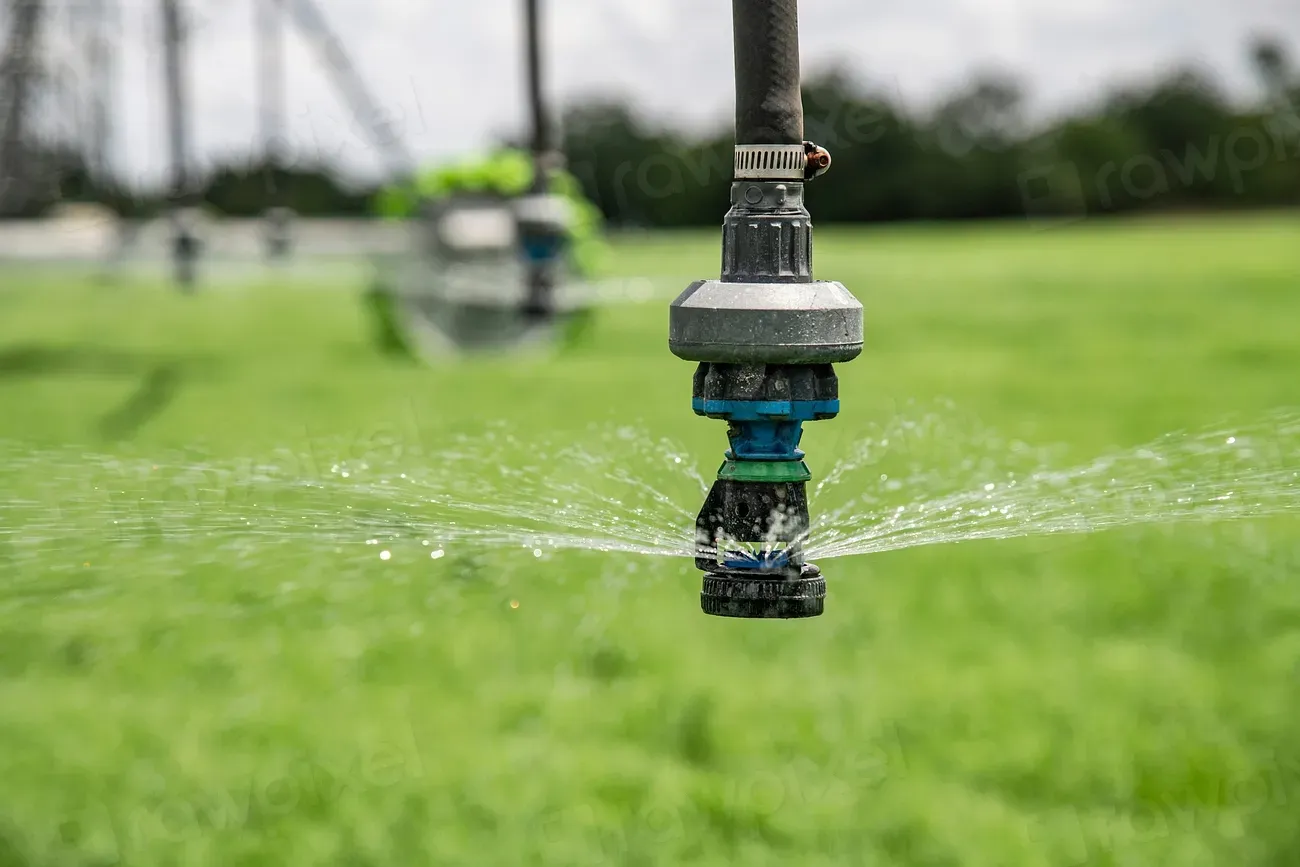
Overwatering kills more plants than underwatering. Seriously. Most beginners drown their plants with good intentions. Roots need oxygen, and waterlogged soil pushes all the air out.
The trick is watering deeply but infrequently. This encourages roots to grow down into the soil searching for moisture, making plants more drought-tolerant. Shallow, frequent watering creates shallow root systems that are vulnerable to heat and dry spells.
Drip irrigation is a good irrigation water optimization technology and can reduce diversion by more than half and reduce consumptive use by about 20 percent. It requires less than half of the diversion of surface irrigated crops and reduces depletion significantly for equivalent yields. Drip systems deliver water directly to the root zone, minimizing evaporation and runoff. Extension services recommend this method because it can cut water use dramatically compared to traditional sprinkler systems. Even a simple soaker hose can make a big difference in your backyard setup.
The Health Benefits You Didn’t Expect
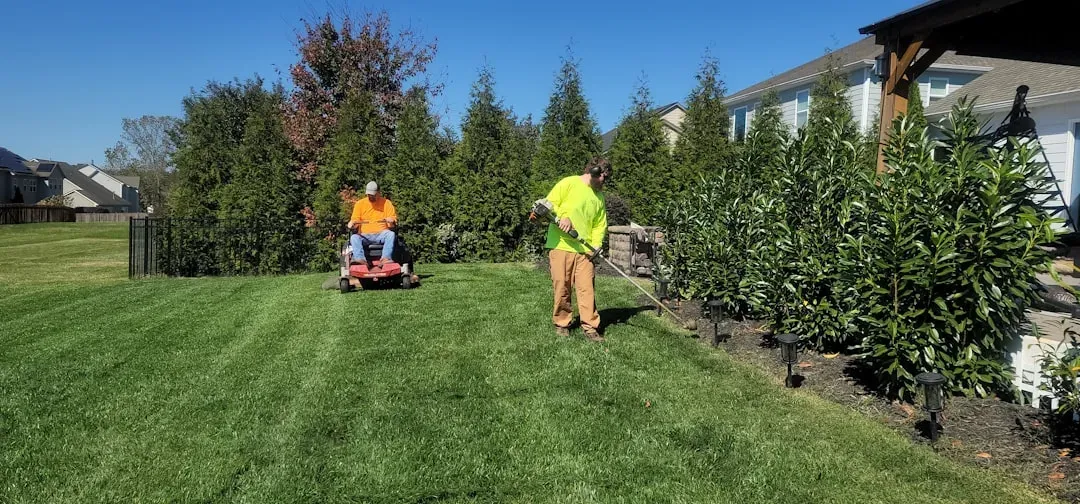
Gardening isn’t just about the harvest. It’s also doing something pretty remarkable to your body and mind. Think of it as sneaky exercise that doesn’t feel like a chore.
Many yard and gardening tasks – including raking and mowing – require enough effort to count as moderate-intensity exercise, and chores like digging and bagging leaves also help strengthen muscles. You’re bending, lifting, digging, stretching. All that movement adds up. A 2023 study involving 300 people suggested that people who kept a garden for one year ate about two more grams of fiber per day, had less stress and anxiety, and did about six more minutes of moderate-to-vigorous exercise per day than people who didn’t do any gardening.
Research shows that gardening can reduce stress and anxiety. Being outdoors and tending to plants fosters mindfulness and can create a sense of accomplishment, especially when you see the literal fruits of your labor. There’s something deeply satisfying about seeing a tiny seedling you planted turn into something you can eat or enjoy. That satisfaction is real, and it’s backed by science.
Dealing with Pests Without Toxic Chemicals
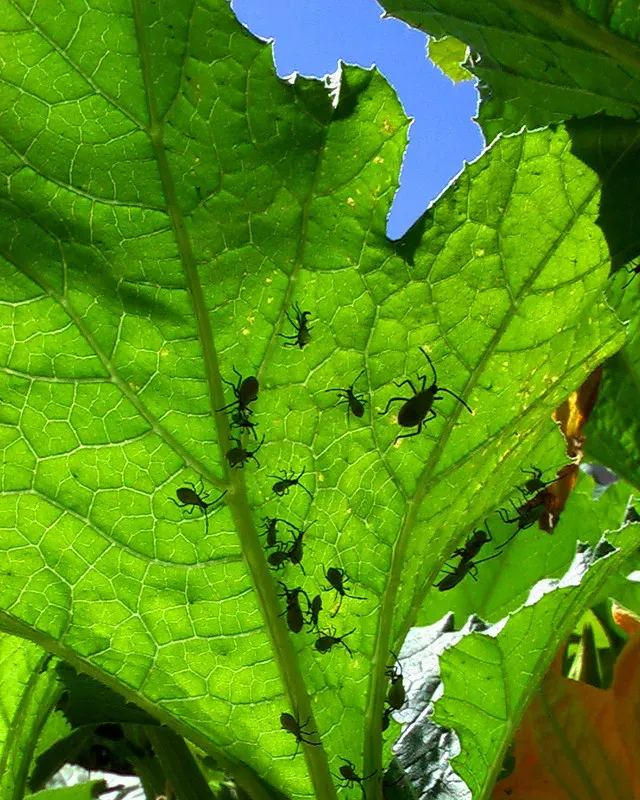
Pests happen. Aphids, slugs, beetles – they all want a piece of your hard work. The knee-jerk reaction is to reach for pesticides, yet there are smarter, safer ways to handle the problem.
Start with prevention. Healthy plants resist pests better than stressed ones. Proper spacing improves air circulation and reduces fungal diseases. Companion planting can help too – marigolds repel certain insects, basil planted near tomatoes can deter aphids and flies.
When pests do show up, try manual removal first. Pick off beetles by hand. Blast aphids with a strong spray from the hose. Introduce beneficial insects like ladybugs that eat the bad guys. Diatomaceous earth sprinkled around plants cuts soft-bodied pests without harming you or your plants. Save the chemical solutions as a last resort, and even then, choose organic options that break down quickly.
Making the Most of Limited Space
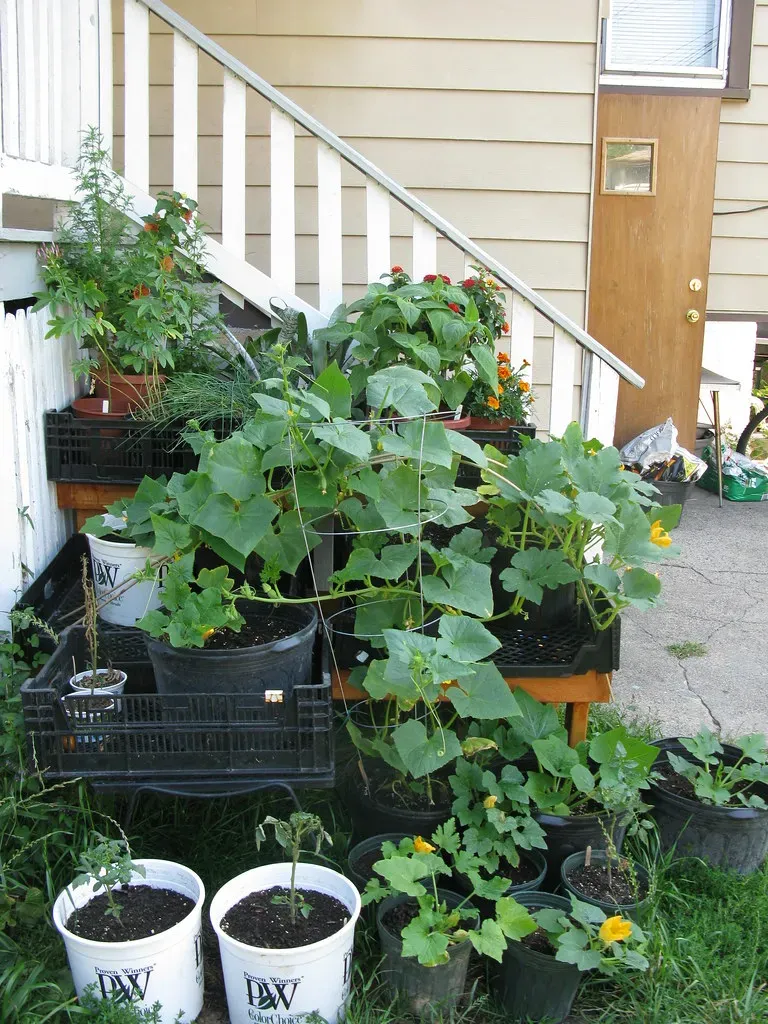
You don’t need a sprawling country estate to grow food. Honestly, some of the most productive gardens I’ve seen are tiny urban plots or even just container gardens on balconies.
Vertical gardening is your friend. Trellises, cages, and wall-mounted planters let you grow up instead of out. Tomatoes, cucumbers, beans, and peas all climb willingly. Hanging baskets work great for strawberries and trailing herbs.
Container gardening opens up even more possibilities. Almost anything can grow in a pot if the container is big enough and has drainage holes. Cherry tomatoes, peppers, lettuce, herbs – all thrive in containers. Just remember that container plants dry out faster than in-ground plants, so you’ll need to water more often. At least roughly 38 million U.S. homes contain indoor plants, with half of all gardeners nurturing both indoor and outdoor plants. In urban centers, around 11 percent of growers have some or all of their veggies and herbs growing indoors.
Seasonal Planning and Crop Rotation
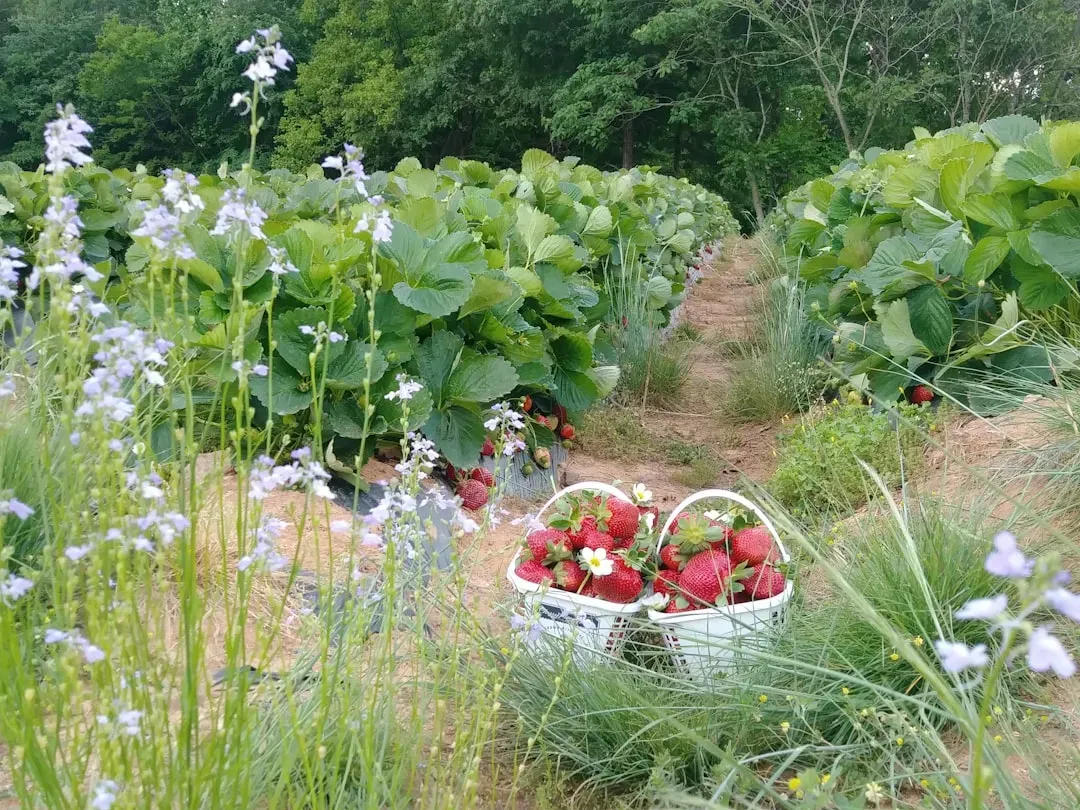
Successful gardening isn’t just about what you plant, it’s also about when and where you plant it. Cool-season crops like lettuce, peas, and broccoli thrive in spring and fall but bolt or turn bitter in summer heat. Warm-season crops like tomatoes, peppers, and squash need hot weather to produce.
Plan your garden in waves. Plant cool-season crops early, then transition to warm-season crops as temperatures rise, then back to cool-season crops in late summer for a fall harvest. This extends your growing season and keeps your garden productive.
Crop rotation is another key practice. Don’t plant the same family of vegetables in the same spot year after year. Rotating crops helps prevent soil depletion and reduces pest and disease buildup. For example, if tomatoes were in one bed this year, plant beans or lettuce there next year. It’s an old farming technique that works just as well in backyard gardens.
Building Resilience in a Changing Climate
Gardening in 2026 means adapting to climate realities. Summers are hotter. Rainfall patterns are unpredictable. Extreme weather events are more common.
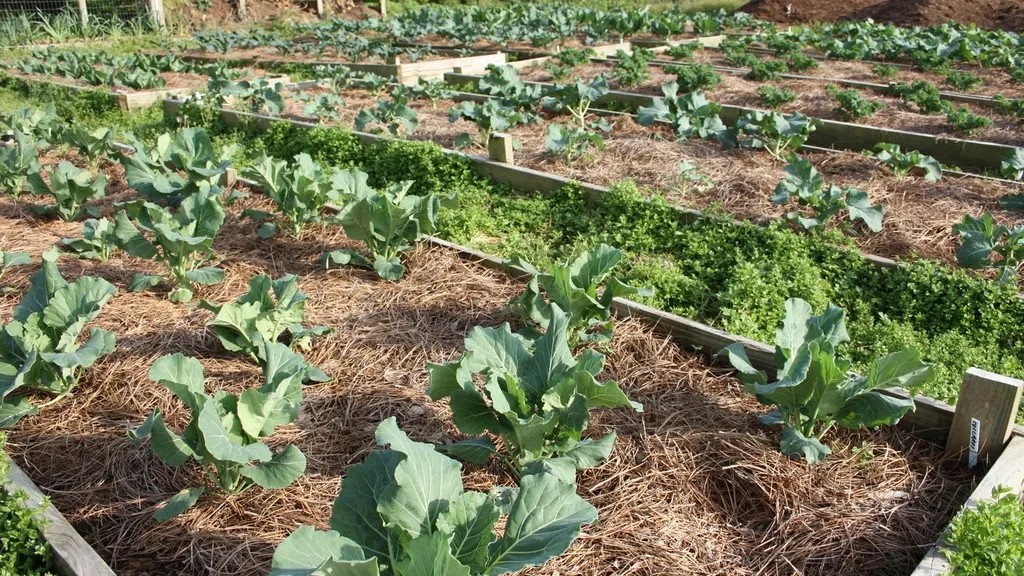
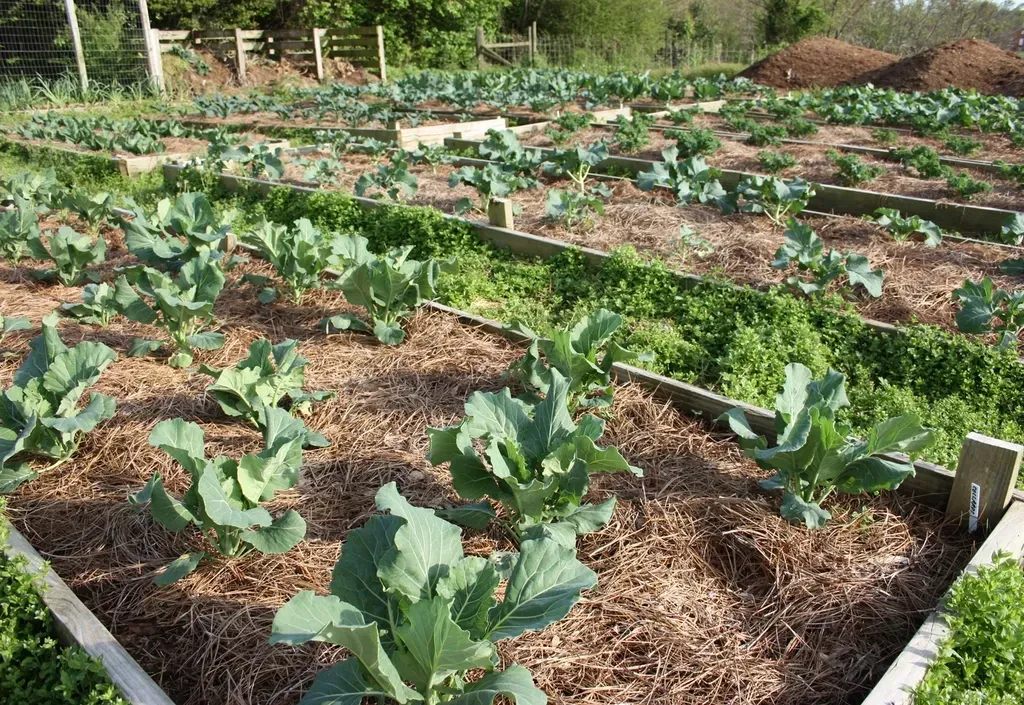
Mulching is one of the simplest climate-smart strategies. A thick layer of organic mulch around plants keeps soil cooler, retains moisture, suppresses weeds, and slowly adds nutrients as it breaks down. Shredded leaves, straw, and wood chips all work well.
Choose heat-tolerant varieties when possible. Seed catalogs now list drought-resistant or heat-resistant cultivars bred specifically for tougher conditions. Water in the early morning so plants have moisture to face the day’s heat, and evaporation losses are minimal.
Under the Biden-Harris Administration, USDA is transforming America’s food system, with a greater focus on more resilient local and regional food production. ACEP helps safeguard the future of farmers, ranchers, and agricultural communities who depend on and sustain the land as a way of life, especially under a changing climate. Even on a backyard scale, resilience matters. Small changes add up.
Connecting with Your Community Through Gardening
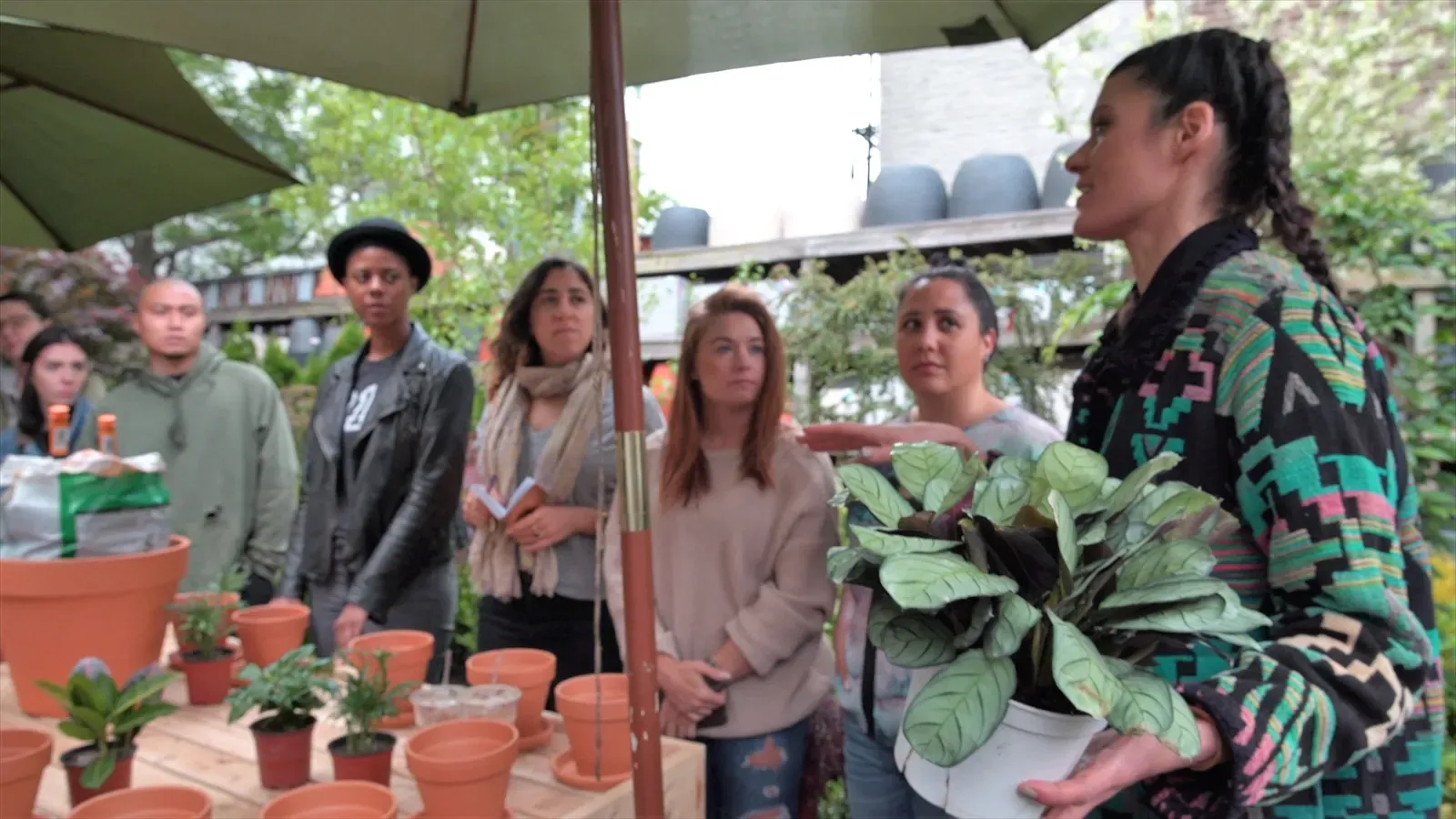
Gardening doesn’t have to be a solo activity. In fact, it’s often better when it’s not. Community gardens, garden clubs, and online groups offer support, knowledge sharing, and friendship.
Participation in lawn and gardening activities remained high in 2022, with a five-year high of 80 percent of households taking part. By activity, participation increased across the board year over year, with indoor houseplant gardening jumping in participation more than any other activity. That level of engagement means there are tons of people out there eager to share tips, trade seeds, and help troubleshoot problems.
Joining a local gardening group connects you with people growing in the same conditions you face. They know which tomato varieties do well in your area, when the first frost typically hits, and where to get good compost locally. Plus, gardening friends are the best kind – they show up with extra seedlings and bags of produce.
Reaping the Rewards and Lessons Learned
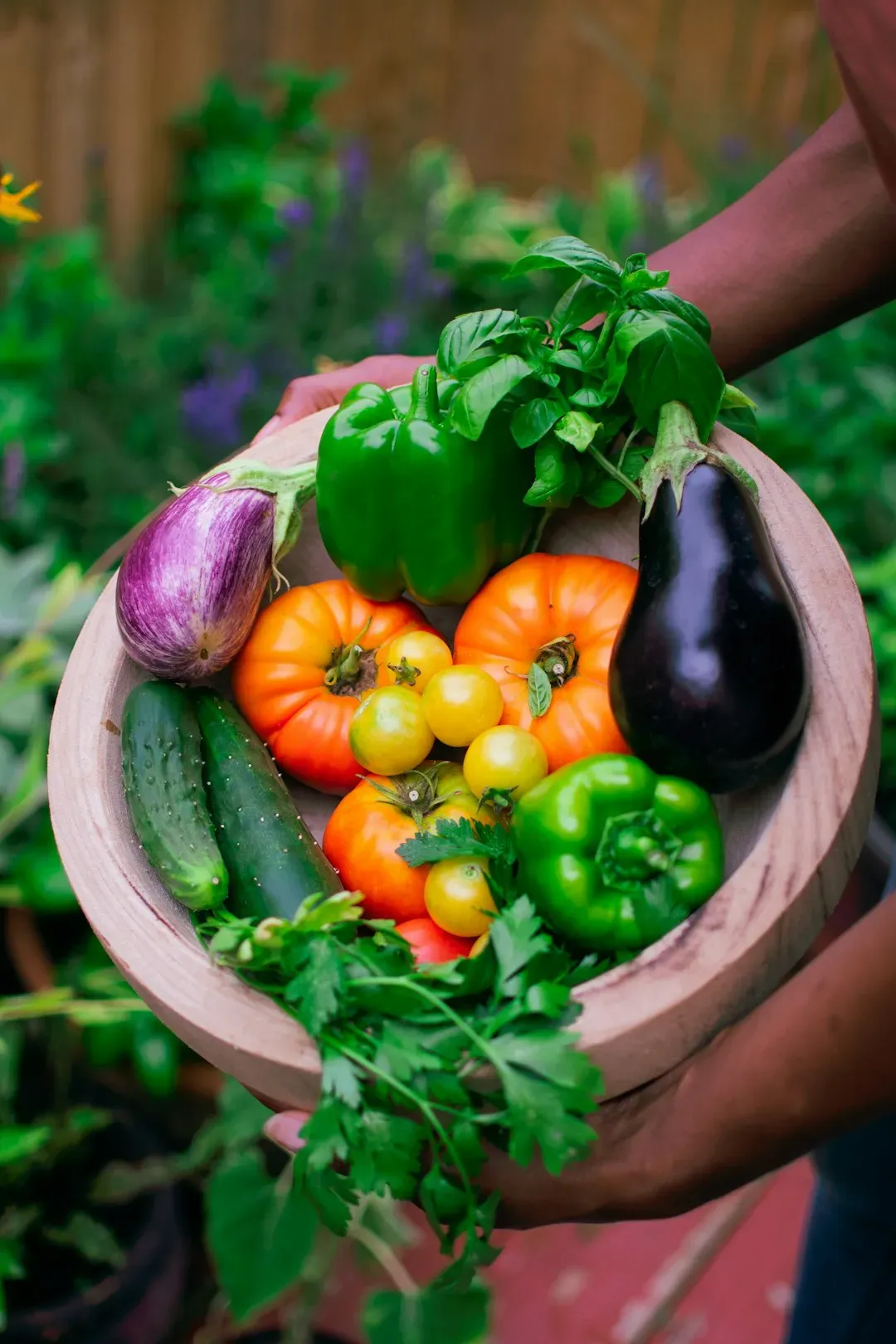
Not every season goes perfectly. Some years the tomatoes produce like crazy. Other years, the squash bugs win. That’s gardening. The beauty is in the learning.
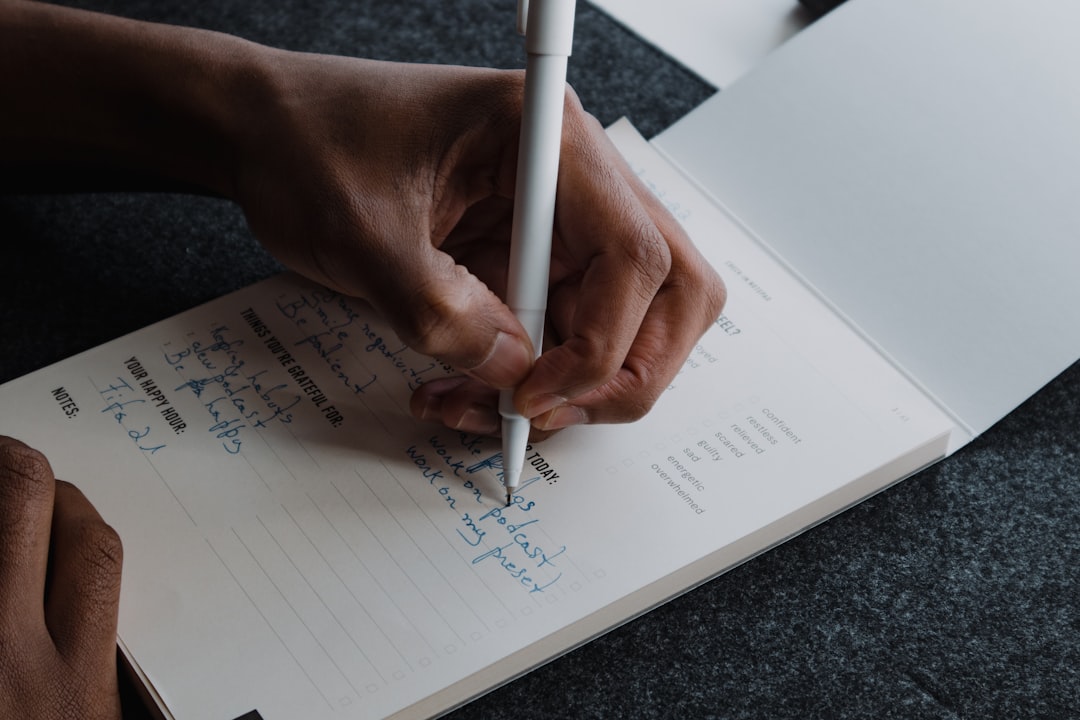
Keep notes. What worked? What didn’t? When did you plant? When did you harvest? A simple garden journal helps you improve year after year. Take photos. They’re useful for remembering layout and plant placement, plus they’re fun to look back on.
USDA is transforming America’s food system, with a greater focus on more resilient local and regional food production, fairer markets for all producers, ensuring access to safe, healthy and nutritious food in all communities. Your backyard garden is part of that transformation. Even small-scale food production matters – for your health, your wallet, and the planet.
The satisfaction of harvesting your own food, the pleasure of working outdoors, the health benefits both physical and mental – these rewards compound over time. Start small if you need to. Plant a few tomatoes or a handful of herbs. See what happens. There’s no single right way to garden, only your way, shaped by your space, your climate, and what you want to grow. What surprised you most about starting your garden? Share your thoughts and let’s keep learning together.