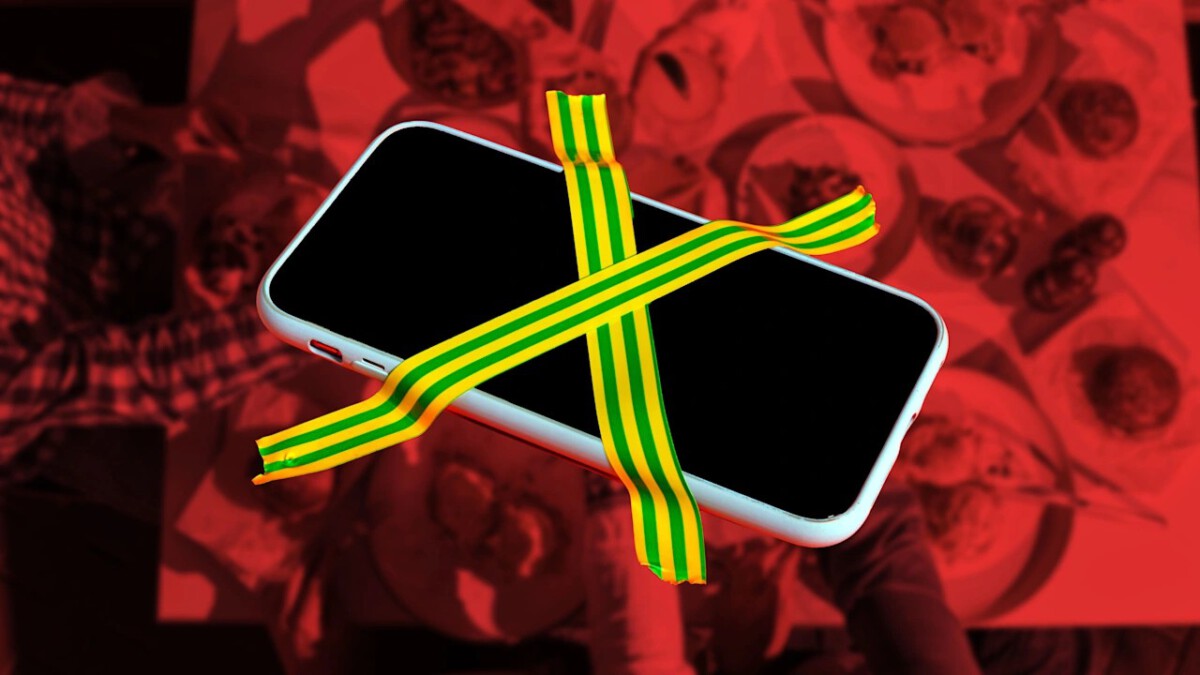
Pioneers Enforcing Device Discipline (Image Credits: Images.fastcompany.com)
Diners nationwide now face a quiet revolution at eateries and lounges, where smartphones must stay silenced or surrendered to foster genuine connections.
Pioneers Enforcing Device Discipline
A French bistro in Montpellier set the tone back in 2017 with a policy enforced by referees’ whistles and penalty cards for phone offenders, ensuring patrons remained fully engaged during meals.
In Sioux City, Iowa, Sneaky’s Chicken sweetened compliance by offering Wednesday discounts to those who deposited devices in a box, turning a simple rule into a rewarding ritual. Nashville’s Monell’s restaurant upheld a no-phones-at-the-table standard to preserve the communal spirit of family-style Southern fare. These early adopters demonstrated that such measures could thrive beyond urban centers, appealing to locals craving undivided attention at the table.
Thriving Amid the No-Phone Pushback
Fort Worth’s Caterina’s, launched in 2022 by celebrity chef Tim Love, locked phones in pouches from the outset, a move that sparked initial skepticism but quickly proved its worth. Love emphasized that the venue suited those willing to disconnect for a couple of hours, allowing guests to simply savor the moment. Assistant manager Britnee Wentworth noted that while rare complaints arose, the policy boosted business, particularly as younger crowds embraced the novelty.
Patrons kept possession of their locked devices, much like at concerts, which alleviated concerns. Wentworth highlighted unexpected joys, such as strangers from adjacent tables forging friendships across generations through sparked conversations. This social alchemy underscored the policy’s role in creating memorable evenings.
Luxury Venues Locking Out Distractions
San Antonio’s Nicosi Dessert Bar debuted in June 2024 with an intimate 20-seat setup encircling the kitchen, where an eight-course tasting menu unfolded without cellphone interruptions or photography. Reviewers praised the creative, interactive experience free from digital intrusions. In Phoenix, the Trophy Room within a premium steakhouse invited guests to stow phones in vintage library card-catalog boxes amid dark wood and hunting lodge decor.
Cofounder Thor Nguyen described the space as an intimate escape from digital noise, vibrations, and selfies. He reported no negative impact on revenue; instead, it delivered perceived value through commitment to presence. Charlotte’s forthcoming Antagonist cocktail bar echoed this ethos, advertising strong drinks and sharp dialogue in a phone-free haven.
Roots in Experiential Shifts and Science
Food trend expert Kara Nielsen from the San Francisco Bay Area linked the trend to rising demand for experiential dining among millennials and Gen Z, who favor analog moments over constant connectivity. She predicted more venues would follow suit as diners sought respite from notification dings that shattered immersion. Studies have long warned of screen overuse’s toll, from impaired memory via photo-taking to altered brain activity, slower reactions, and sleep disruptions.
Recent research tied heavy cellphone and social media habits to youth mental health struggles, fueling lawsuits against tech giants. Leadership coach Julio Alvarez, a former tech executive, viewed this as a broader pivot toward human connection amid AI’s rise. He foresaw tech innovations aiding screen reduction, compelling deeper interpersonal bonds.
Key Takeaways
- Phone bans enhance social interactions, turning strangers into friends at shared tables.
- Younger diners drive adoption, viewing disconnection as a refreshing novelty.
- Businesses report sustained or increased patronage despite minor pushback.
As more establishments commit to these policies, they redefine outings as deliberate escapes from digital saturation, prioritizing presence over posts. What experiences have you had at phone-free spots? Share in the comments.