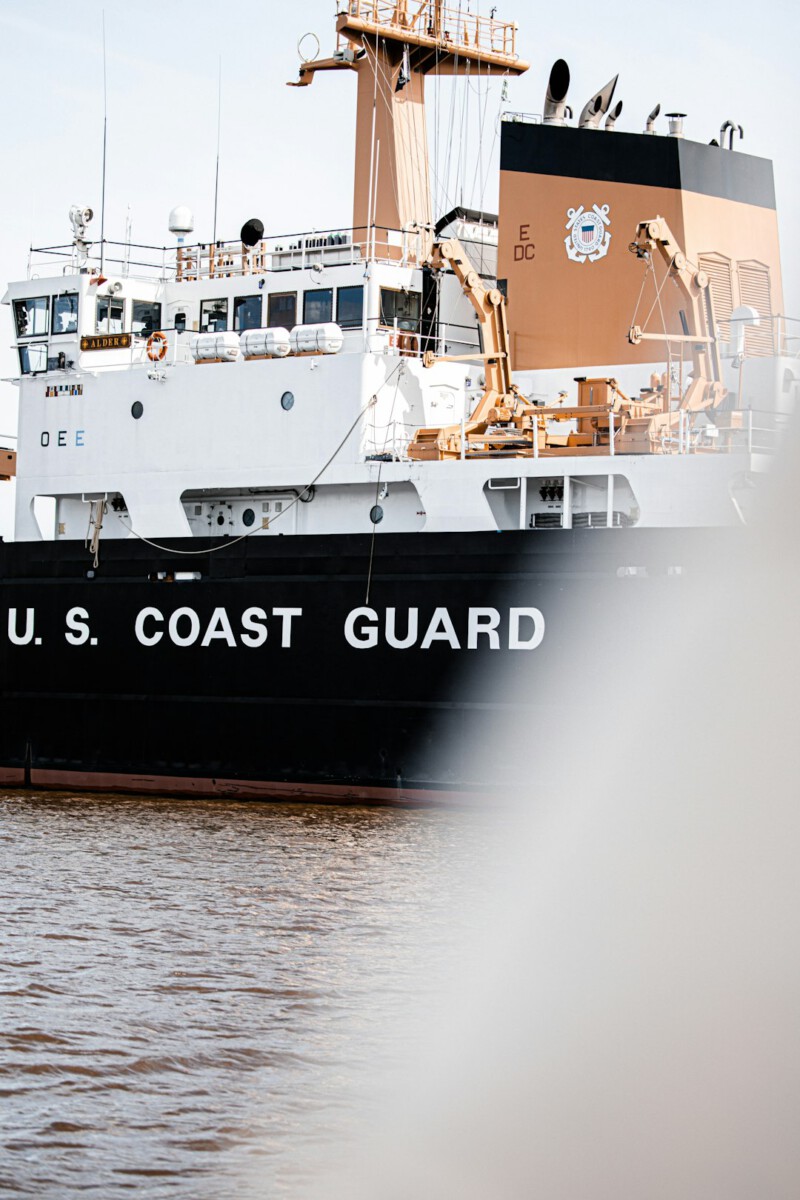


A Swift Operation in International Waters (Image Credits: Unsplash)
In the vast expanse of the Caribbean Sea, U.S. authorities carried out another high-stakes interdiction, targeting a vessel suspected of violating international sanctions.
A Swift Operation in International Waters
The U.S. Coast Guard moved decisively on Saturday, boarding and seizing an oil tanker in international waters off Venezuela’s coast. Officials described the action as part of an ongoing effort to enforce sanctions against the South American nation’s regime. The vessel, flagged under Panama and owned by Chinese interests, carried a cargo of sanctioned crude oil bound for destinations that contravened U.S. restrictions. This incident marked the second such seizure in recent weeks, signaling a ramped-up presence in the region.
Teams from the Coast Guard’s elite units, including a Maritime Special Reaction Team, coordinated with Navy support to secure the ship without incident. The operation unfolded amid heightened scrutiny on maritime traffic linked to Venezuela’s oil exports. Authorities emphasized that the tanker was not on the official U.S. sanctions list but contained prohibited cargo nonetheless. Such interceptions aim to disrupt funding streams that sustain the Venezuelan government’s activities, according to statements from involved agencies.
Escalation Following Presidential Directive
President Donald Trump’s recent order for a “blockade” of sanctioned oil tankers entering or leaving Venezuela set the stage for this latest move. The directive, announced just days earlier, instructed enhanced patrols to intercept vessels evading restrictions. U.S. officials viewed the tanker as a clear example of attempts to bypass these measures, prompting immediate action in the southern Caribbean. The White House confirmed the cargo’s sanctioned status, underscoring the operation’s alignment with national security goals.
Prior to this seizure, a similar interdiction occurred in the same vicinity, highlighting a pattern of enforcement. Sources indicated that intelligence played a key role in tracking the vessel’s movements. The U.S. presence in the area, bolstered by Coast Guard cutters and support ships, ensures rapid response to potential violations. This approach reflects broader U.S. policy to pressure Venezuela through economic isolation.
Implications for Regional Maritime Security
The repeated seizures raise questions about the sustainability of Venezuela’s oil trade under sanctions. International shipping routes in the Caribbean now face increased monitoring, potentially deterring other operators from engaging in illicit activities. Analysts note that such actions could strain relations with nations like China, which has ties to the vessel’s ownership. Yet, U.S. leaders maintain that these steps are essential to upholding global financial norms.
Environmental concerns also linger, as intercepted tankers must be safely managed to prevent spills in sensitive waters. The Coast Guard reported no leaks during the operation, but protocols remain stringent. Broader impacts include fluctuating oil markets, with Venezuelan crude facing limited buyers due to these restrictions.
Key Players and Enforcement Tactics
To understand the scope of these operations, consider the main entities involved:
- U.S. Coast Guard: Leads interdictions with specialized boarding teams.
- U.S. Navy: Provides logistical and security support in the region.
- Department of Homeland Security: Oversees sanctions compliance for maritime activities.
- International partners: Share intelligence on flagged vessels, though this case relied primarily on U.S. assets.
- Venezuelan regime: Targeted through oil export curbs to limit revenue.
These tactics evolved from earlier sanctions frameworks, incorporating real-time tracking via satellite and radar. The focus on supertankers like this one, capable of carrying millions of barrels, amplifies the operations’ significance.
Key Takeaways
- The seizure represents the second tanker interdiction near Venezuela in weeks, intensifying U.S. sanctions enforcement.
- Operations target oil cargoes funding the Venezuelan government, using elite Coast Guard units.
- Broader effects include heightened Caribbean patrols and potential disruptions to global oil flows.
As U.S. maritime forces continue to patrol the Caribbean, these seizures underscore a firm commitment to sanctions amid geopolitical tensions. The long-term success of such strategies will depend on international cooperation and adaptive enforcement. What are your thoughts on this escalation? Share in the comments below.