

A Bold Holiday Announcement (Image Credits: Unsplash)
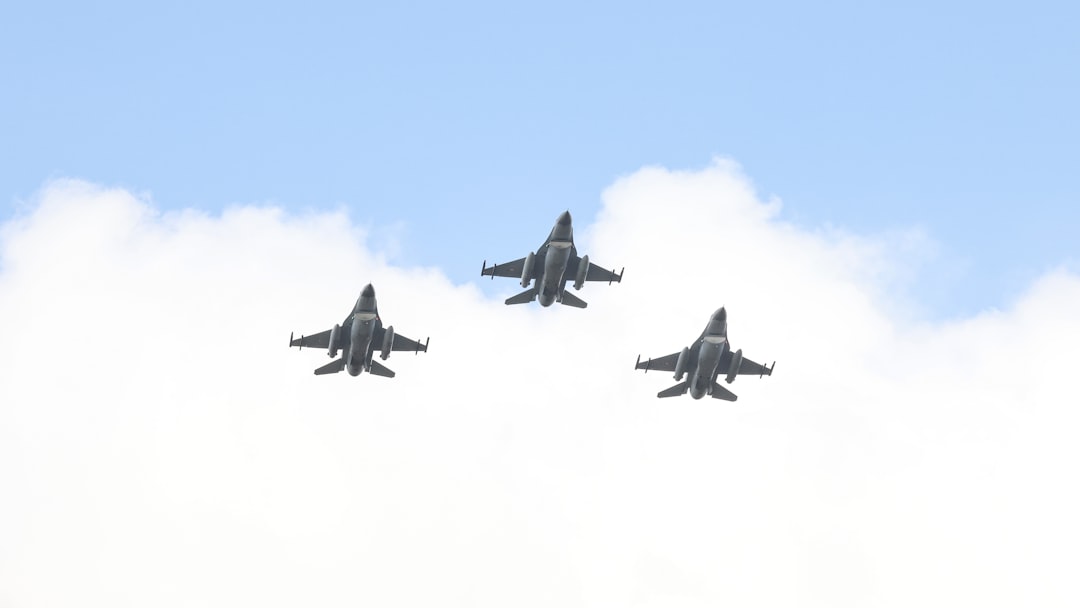
Nigeria – President Donald Trump revealed on Christmas Day that American forces had executed a targeted strike against ISIS militants in the country’s northwest, framing the action as a direct response to escalating violence against Christian communities.
A Bold Holiday Announcement
The revelation came via a post on Truth Social, where Trump described the operation as a “powerful and deadly strike” against what he called “ISIS Terrorist Scum.” He emphasized that the militants had intensified their assaults on innocent Christians, reaching levels unseen for generations. This move marked a swift escalation from earlier warnings issued by the administration.
Just weeks prior, Trump had directed the Defense Department to develop plans for potential military intervention in Nigeria. The order stemmed from reports of rising jihadist activities that threatened religious minorities. By acting on the holiday, the president underscored the urgency of the situation, positioning the strike as both a tactical blow and a symbolic stand against persecution.
Roots in Ongoing Persecution
Islamic State affiliates in West Africa have long exploited Nigeria’s volatile security landscape to launch attacks, particularly in the northwest and northeast regions. Sokoto State, the site of the strike, has witnessed a surge in such incidents, with militants targeting villages and places of worship. Local communities, predominantly Christian in affected areas, have borne the brunt of these raids, leading to displacement and loss of life.
Trump’s administration highlighted these patterns in recent briefings, noting that the violence disrupted aid efforts and strained regional stability. The U.S. had previously suspended certain assistance to Nigeria over concerns about inadequate protection for vulnerable groups. This strike represented a shift toward more assertive involvement, aiming to disrupt ISIS supply lines and leadership structures.
Joint Efforts with Nigerian Authorities
The operation unfolded in close coordination with Nigeria’s government, which requested U.S. support to bolster its counterterrorism campaign. Nigerian Foreign Minister Yusuf Maitama Tuggar confirmed the collaboration, stating that the strikes aligned with national efforts to secure the border areas. U.S. Africa Command detailed that multiple militants were eliminated in the Sokoto action, without specifying exact numbers to maintain operational security.
Defense Secretary Pete Hegseth echoed the president’s message on social media, affirming that additional measures would follow as needed. This partnership built on years of U.S. training programs for Nigerian troops, though challenges like terrain and intelligence gaps persisted. The joint approach sought to minimize civilian risks while maximizing impact on terrorist networks.
Broader Geopolitical Ramifications
The strike drew immediate reactions across international circles, with allies praising the decisiveness while others urged caution to avoid escalation. In Nigeria, officials expressed gratitude for the assistance but stressed the need for sustained diplomatic pressure on ISIS funding sources. The event also spotlighted America’s renewed focus on countering extremism in Africa under Trump’s leadership.
Analysts pointed to potential ripple effects, including heightened vigilance along Sahel borders where ISIS operates. The action could deter further attacks during the holiday season, a period often marked by opportunistic violence. Yet, experts cautioned that military strikes alone would not resolve underlying issues like poverty and ethnic tensions fueling recruitment.
Key Takeaways
- The U.S. strike targeted ISIS in Sokoto State, killing several militants in a coordinated effort with Nigeria.
- Trump linked the operation to protecting Christians from intensified attacks by the group.
- This follows prior U.S. preparations for intervention, signaling a proactive stance on religious persecution.
As the dust settles from this Christmas Day operation, the strike serves as a stark reminder of the global fight against terrorism and its human cost. It prompts reflection on how international alliances can safeguard communities under threat. What steps should follow to ensure lasting peace in Nigeria’s troubled regions? Share your thoughts in the comments.