

The Overnight Raid That Shook the Region (Image Credits: Upload.wikimedia.org)
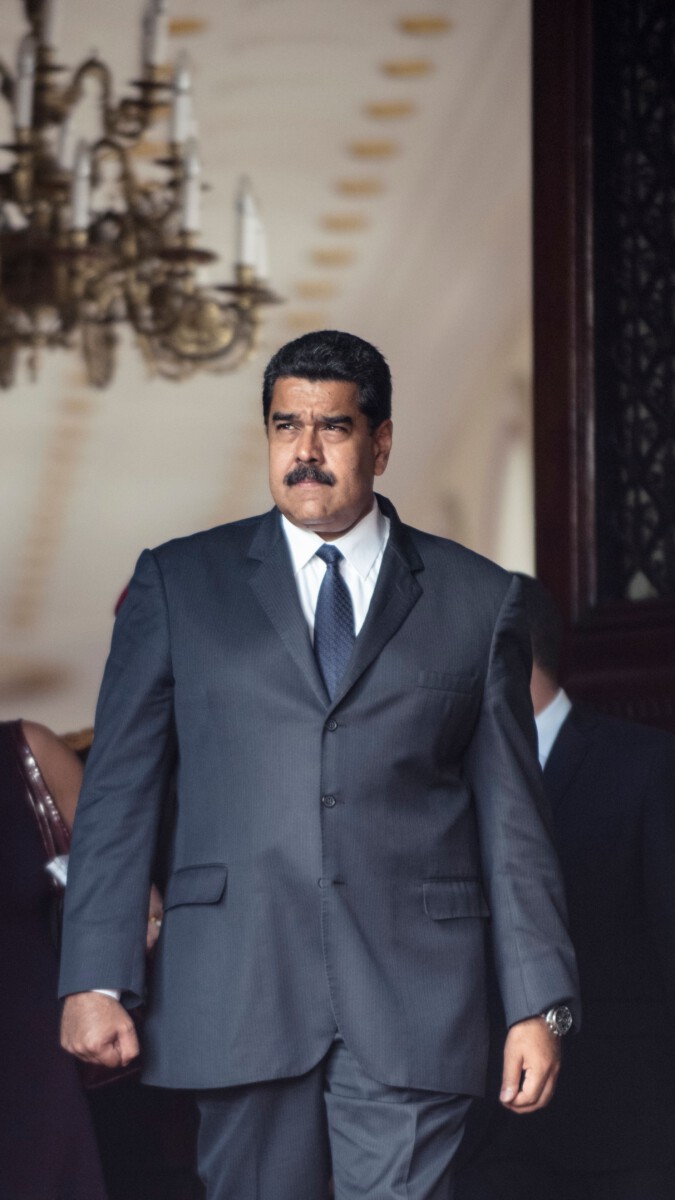
Venezuela – U.S. military forces executed a daring overnight operation that resulted in the capture of President Nicolás Maduro and his wife, Cilia Flores, marking a significant escalation in long-standing tensions between Washington and Caracas.
The Overnight Raid That Shook the Region
In a swift and coordinated strike, American troops apprehended Maduro inside Venezuela, ending years of diplomatic standoffs and sanctions. The operation, described by officials as precise and low-casualty, targeted the presidential residence amid reports of explosions in the capital. Maduro, who has led Venezuela since 2013, faced immediate transport to the United States for processing.
Witnesses in Caracas described hearing loud blasts and seeing aircraft overhead before the area fell quiet. U.S. President Donald Trump confirmed the capture early Saturday, emphasizing that the move addressed longstanding allegations of criminal activity. This intervention represented Washington’s most direct action in Latin America in decades, catching allies and adversaries off guard.
Details of the Indictments
Federal prosecutors unsealed indictments against Maduro and Flores, accusing them of orchestrating a vast narcotics trafficking network and illegal weapons distribution. The charges stemmed from investigations into the Cartel of the Suns, a group allegedly embedded within Venezuela’s government and military. Authorities claimed the operation funneled cocaine and arms into the U.S., undermining national security.
Evidence presented included communications and financial records linking the couple to these activities. A $15 million bounty had been placed on Maduro’s capture years earlier, underscoring the seriousness of the case. Flores, a prominent political figure and former National Assembly president, faced similar counts for her alleged role in the scheme.
- Narcotics trafficking: Coordination of drug shipments from South America to U.S. markets.
- Weapons violations: Illegal export and distribution of arms tied to criminal enterprises.
- Conspiracy charges: Collaboration with international cartels and corrupt officials.
- Money laundering: Use of state resources to fund personal and operational gains.
- Obstruction of justice: Efforts to evade international probes.
Trump’s Announcement and Immediate Aftermath
President Trump addressed the nation from the White House, stating that Maduro and his wife were en route to New York to face trial. He declared that the U.S. would temporarily oversee Venezuelan affairs to ensure a “safe transition,” a statement that drew immediate global scrutiny. Trump highlighted months of buildup, including heightened sanctions and intelligence operations.
The capture prompted power vacuums in Caracas, with opposition leaders calling for elections while Maduro loyalists decried the action as an invasion. U.S. forces reported minimal resistance during the raid, but southern areas of the capital experienced brief blackouts. International observers noted the operation’s speed, completed in under two hours.
Global Reactions Pour In
Venezuela’s government labeled the strike “extremely serious military aggression,” vowing retaliation through diplomatic channels. Russia and Iran, key supporters of Maduro, condemned the U.S. move and warned of broader instability in the region. Meanwhile, some Latin American nations expressed cautious support, citing Maduro’s human rights record.
The European Union urged restraint and dialogue, while the United Nations scheduled an emergency session. Analysts pointed to the indictments as a culmination of U.S. efforts to dismantle Maduro’s regime, which has faced widespread protests and economic collapse. Humanitarian groups raised concerns about potential refugee surges if instability worsens.
Implications for Venezuela’s Future
The indictments could reshape Venezuela’s political landscape, potentially paving the way for new leadership amid economic woes. U.S. officials indicated that trials would proceed in federal court, with evidence from multiple agencies involved. Questions lingered about interim governance, as Trump suggested American oversight until stability returned.
Experts predicted challenges in prosecuting high-profile figures like Maduro, given jurisdictional issues and international law. The event highlighted ongoing U.S. commitments to combating transnational crime. As details emerge, the world watches how this bold capture influences hemispheric relations.
Key Takeaways
- The capture ends a years-long pursuit of Maduro on serious charges.
- U.S. involvement signals a shift in foreign policy toward direct action.
- Regional stability hangs in the balance, with calls for peaceful transitions.
This dramatic turn underscores the high stakes of international justice, where allegations of corruption meet military resolve. As Maduro prepares to face the courts, the path forward for Venezuela remains uncertain, demanding careful navigation by global powers. What implications do you see for Latin American politics? Share your thoughts in the comments.