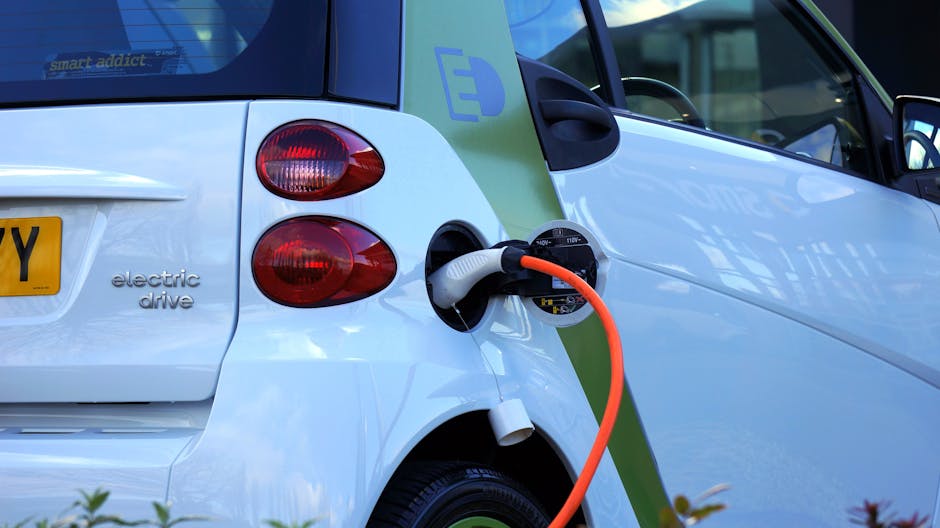
300,000 Leased EVs Reshape the Used Market (Image Credits: Pexels)
A massive wave of leased electric vehicles returned to the market in 2026, coinciding with persistent high gas prices that strained drivers’ budgets. Approximately 300,000 EV leases expired this year, following a leasing surge three years earlier fueled by federal tax credits. Fewer used gas cars competed for buyers due to sluggish sales in prior years, creating a unique opportunity for affordable electrics.
300,000 Leased EVs Reshape the Used Market
Dealers prepared for an unprecedented influx as leases from 2023 ended, bringing top-tier models back at steep discounts. This development arrived just as gas prices climbed, prompting more shoppers to reconsider their next vehicle purchase. Hybrid leases also matured, adding to the supply of efficient options.
Used EV sales demonstrated resilience even amid broader market challenges for new electrics. Total used EV transactions rose 35% in 2025 compared to 2024, with over half priced at $30,000 or below. Dealers reported steady demand starting immediately after tax credit changes in September 2025.
Newer, Lower-Mileage EVs Outshine Gas Rivals
Budget buyers discovered superior value in used electrics, often securing newer vehicles with fewer miles for the same cost as aging gas models. A $20,000 to $30,000 gas car typically featured a five-year-old Toyota Camry or RAV4 with 50,000 miles, while equivalents bought Tesla Model 3s or Volkswagen ID.4s that were a year fresher and 20,000 miles lighter. Below $20,000, EVs averaged two years newer and 40,000 fewer miles than gas counterparts.
“For the same amount of money, you’re getting a newer used car with lower miles on it and more technology,” stated Scott Case, cofounder and CEO of Recurrent, an EV research firm. Rapid tech advancements caused faster EV depreciation, yet two- to three-year-old models remained undervalued and reliable. Most carried full battery warranties, appealing to cost-conscious consumers.
Battery Longevity and Charging Ease Erase Doubts
Concerns over range and charging faded as infrastructure expanded and batteries proved durable. Public fast chargers increased by 30% in 2025, reaching over 18,000 new sites nationwide. Typical EVs delivered around 300 miles per charge, sufficient for most daily needs.
Recurrent’s data revealed that after three years, EV batteries retained 97% of original range, often exceeding initial EPA estimates. “Across the board, batteries and range are holding up better than people think,” Case noted. This countered myths of rapid degradation akin to consumer electronics.
- Batteries maintain 97% capacity after three years.
- Fast chargers grew 30% last year.
- Used EVs average newer age and lower mileage than gas peers.
- Full warranties cover most returning lease vehicles.
- Fuel savings start immediately upon purchase.
Gas Price Pressures Drive Dealer Traffic
Edmunds observed rising online searches for EVs amid fuel cost hikes, while dealers noted customers arriving with near-empty tanks to avoid one last fill-up. Jesse Lore, CEO of Green Wave Electric Vehicles, recounted trading diesel pickups for plug-in hybrids, where owners saved significantly on short commutes. A recent sale to a customer highlighted weekly $60 diesel fills dropping to $40 every six weeks.
Historical patterns showed sustained high gas prices boosting used car sales, particularly cheaper segments. “If gas prices stay around current levels, we’ve forecasted that could lead to an extra two to four percentage points above baseline sales for the year,” Case predicted. Dealers like Eco Auto Northwest in Washington saw demand for Chevy Bolts and Nissan LEAFs around $15,000. Total ownership costs for EVs remained lower due to minimal maintenance and fuel savings, varying by region.
Key Takeaways
- Affordable used EVs offer newer models with warranties intact.
- Battery health exceeds expectations, dispelling range fears.
- High gas prices position electrics as a timely, resilient choice.
As 2026 unfolds, the convergence of abundant used EVs and elevated fuel costs positions electrics as a practical pivot for many drivers. This shift could mark the first time high gas prices align with ample low-cost options in the used segment. What do you think – ready to make the switch? Tell us in the comments.