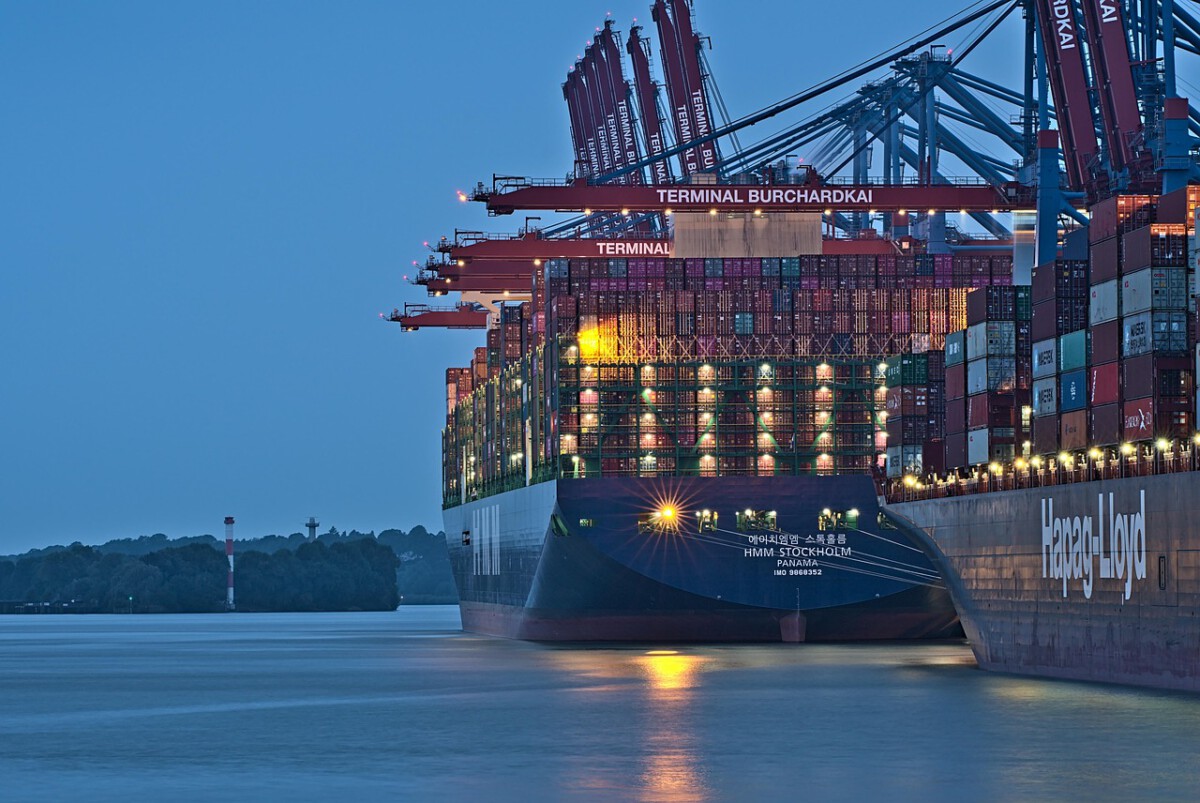
A Trillion-Dollar Lifeline on the Line (Image Credits: Pixabay)
North American trade pulses with vitality, as more than $4 billion in goods crosses the U.S. borders with Canada and Mexico each day. From auto parts destined for factories to avocados reaching store shelves and aluminum feeding manufacturing lines, this commerce thrives largely duty-free under the US-Mexico-Canada Agreement. Yet, as officials from the United States and Mexico launched renewal discussions, the pact’s future hangs in precarious balance amid demands for sweeping changes.
A Trillion-Dollar Lifeline on the Line
The sheer scale of economic ties underscores the urgency of these negotiations. Annual trade in goods among the three nations reached $1.6 trillion, dwarfing flows with China. American farmers benefited immensely, exporting nearly $31 billion in agricultural products to Mexico and $28 billion to Canada last year alone.
Disruption looms large. While many USMCA-compliant imports evaded the harshest 2025 U.S. tariffs, vulnerabilities persist. Medium- and heavy-duty trucks face 25% duties, steel, aluminum, and copper incur 50% tariffs, and Mexican tomatoes carry a 17% levy. Canada and Mexico, reliant on U.S. markets, view any unraveling with alarm.
From NAFTA’s Shadow to USMCA’s Promise
Critics long lambasted the 1994 North American Free Trade Agreement for spurring U.S. job losses, as firms shifted operations to Mexico’s lower wages. President Donald Trump championed its replacement, the USMCA, which Congress ratified with bipartisan backing and which entered force on July 1, 2020.
The updated deal mirrored NAFTA in many ways but introduced targeted reforms. Provisions aimed to boost regional wages and ensure greater North American content in production. It also modernized rules for digital trade, prohibiting tariffs on electronic sales of music, software, and games.
Trump once hailed it as “the fairest, most balanced and beneficial trade agreement we have ever signed.” His stance has cooled, however. In January, he dismissed renewal efforts as offering “no real advantage to us” and deemed them “irrelevant.”
U.S. Priorities: Blocking China and Boosting Domestic Gains
Washington seeks robust revisions to fortify the pact. Top demands include tighter rules to prevent Chinese goods from entering via USMCA channels, incentives for increased U.S. production, and expanded access to Canada’s sheltered dairy sector for American farmers.
Trade imbalances fuel the push. The U.S. merchandise deficit with Mexico hit a record $197 billion last year, while the gap with Canada stood at $46.4 billion. Lori Wallach, director of the Rethink Trade program at the American Economic Liberties Project, argued that “improvements are required for it to deliver the high-wage U.S. manufacturing powerhouse and balanced trade promised.”
The senior U.S. trade negotiator warned in December that Trump might withdraw if concessions fall short, even floating separate bilateral deals. Such a move could dismantle the bloc long prized for countering China and Europe economically.
Mexico’s Defensive Stance Amid Tariff Fears
Mexico prioritizes stability over transformation. Officials urge flexible rules of origin, permitting non-North American parts when regional supplies lag. They also demand fortified dispute resolution to counter tariff whims and ensure enduring commitments.
Economy Secretary Marcelo Ebrard emphasized mutual benefits. “The integration of our countries is an absolute prerequisite for the United States to remain competitive,” he stated. “We must move forward together; otherwise, we will not succeed.” Mexico eyes Canada’s later entry but focuses first on safeguarding free trade with its top partner.
Domestic challenges compound the stakes. President Claudia Sheinbaum’s government navigates security fallout from the late February killing of a Jalisco New Generation Cartel leader, which could ripple into economic talks.
- $1.6 trillion in annual trade binds the U.S., Mexico, and Canada, with agriculture a standout winner under USMCA.
- U.S. demands target China circumvention, U.S. production boosts, and dairy market openings.
- Mexico seeks minimal changes, flexible sourcing, and ironclad dispute mechanisms to avert tariffs.
Renewal paths diverge sharply: a straightforward 16-year extension seems improbable, while full negotiations could extend to 2036 before expiration. Withdrawal remains viable with six months’ notice, a specter haunting partners. These talks will shape North America’s economic resilience. What implications do they hold for your industry or community? Share your thoughts in the comments.