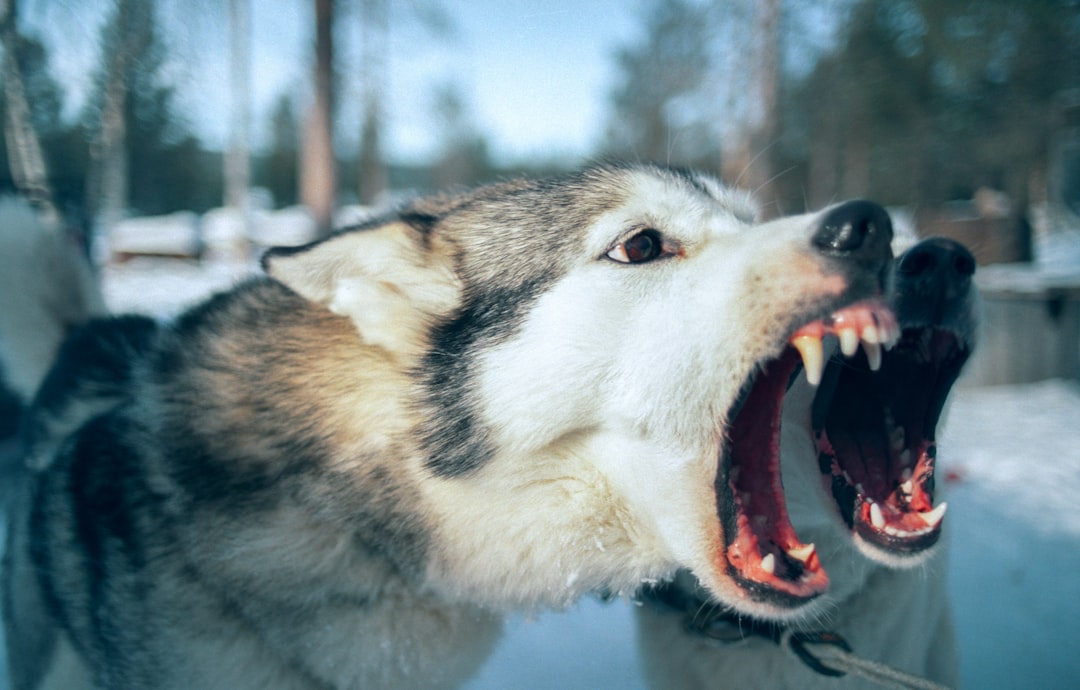


A String of Heartbreaking Losses (Image Credits: Unsplash)
Bahraich, Uttar Pradesh – Under the dim glow of a single lantern in a quiet village home, a mother’s worst fear unfolded in mere seconds last night.
A String of Heartbreaking Losses
Imagine tucking your child into bed, only to hear distant howls that no longer seem like folklore. That’s the reality for families here. In recent months, wolves have struck fear deep into rural communities, leaving a trail of unimaginable grief.
The latest tragedy hit hard. A 10-month-old girl was snatched right from her sleeping spot beside her mother. Officials report she didn’t survive the attack. This brings the total to nine lives lost, with most victims being innocent children under 10.
Earlier this week, a five-year-old boy met a similar fate. He was playing outside when two wolves dragged him away. Rescuers found him 500 meters from home, his tiny hands badly mauled. He passed away on the way to a hospital in Lucknow.
What Makes Wolves So Bold Now?
Wolves aren’t new to these parts, but something’s changed. Experts point to shrinking habitats pushing them closer to human settlements. Seasonal floods in the region displace them further, turning farmlands into hunting grounds.
Kids become easy targets because they play outdoors unsupervised in the evenings. Wolves, usually shy, learn quickly that villages offer unguarded prey. It’s a grim cycle, fueled by hunger and lost territory.
Still, not everyone agrees these are all wolf attacks. Some scientists question if other animals or even human threats play a role. The confusion only heightens the panic.
Life on Edge in Bahraich
Villagers whisper about locking doors before dusk, a habit borrowed from old tales. “Our children aren’t safe anymore,” one mother shared in a local report. Schools send kids home early, and playtime feels like a risk.
In the past three months alone, eight children and one woman have fallen victim. Injuries are common too, with bites leaving scars that heal slower than the fear. Entire families huddle indoors, lanterns their only defense against the dark.
Search Teams Swing into Action
Forest rangers aren’t sitting idle. They’ve deployed drones to scan dense thickets where wolves hide during the day. So far, four of the suspected animals have been captured, but two remain at large.
Armed patrols roam the villages at night, rifles ready. Traps baited with meat dot the outskirts. Yet, the terrain is tricky – rivers and forests make it a cat-and-mouse game with high stakes.
Authorities urge residents to travel in groups and avoid isolated paths. Simple steps, but in the heat of fear, they feel like lifelines.
Lessons from Past Encounters
India’s history with wolves isn’t just recent headlines. Back in the 1990s, similar attacks gripped Uttar Pradesh, sparking hunts and rumors. Those events led to better tracking methods we see today.
Globally, wolf-human clashes are rare, but when they happen, habitat loss is often the culprit. In places like Wyoming, wolves steer clear of people thanks to vast wild spaces. Here, the squeeze is tighter.
- Habitat preservation tops the list of long-term fixes.
- Community education on spotting signs early saves lives.
- Relocating problem packs, when possible, eases immediate threats.
- Stronger fencing around homes keeps predators out.
- Monitoring prey populations helps balance ecosystems.
Voices from the Ground
Local leaders call for more funding to expand patrols. One villager recounted bolting his door just in time as howls echoed nearby. Stories like his spread fast, binding the community in shared worry.
Women and elders bear the brunt of vigilance, watching over the young ones. It’s exhausting, but unity grows stronger. Aid groups are stepping in with solar lights and awareness drives.
Key Takeaways
- Wolves target vulnerable spots like open yards – secure them with barriers.
- Early reporting to authorities speeds up response times and saves lives.
- Balancing wildlife protection with human safety demands urgent policy shifts.
As the sun sets over these villages, the howls remind everyone that nature’s boundaries are blurring. Protecting both wolves and people starts with understanding the root causes, like habitat loss and climate shifts. What steps would you take if this touched your community? Share your thoughts in the comments.