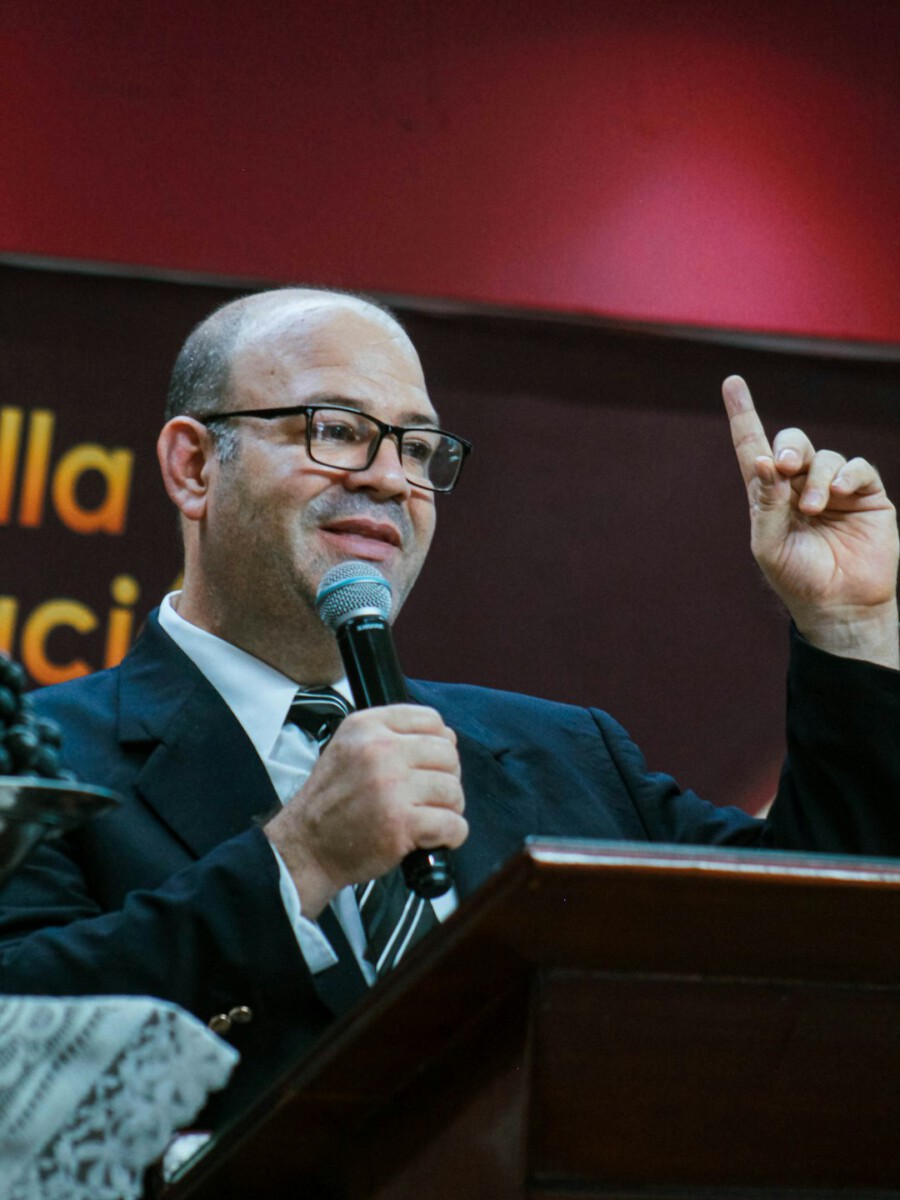
Rare Congressional Access to Sensitive Documents (Image Credits: Unsplash)
Democratic Representative Suhas Subramanyam of Virginia shared his impressions from a recent review of unredacted Jeffrey Epstein files during an NPR interview.[1]
Rare Congressional Access to Sensitive Documents
Several lawmakers gained entry to unredacted versions of the Epstein files at Justice Department facilities the day before Subramanyam’s discussion. This step followed a congressional mandate for fuller disclosure of materials related to the late financier’s sex trafficking network.[1]
Subramanyam, a member of the House Oversight Committee, described the process as tightly controlled. Members could view the documents in person but faced restrictions on copying or removing them. He emphasized that this limited viewing underscored broader issues with transparency.[1]
The files stem from federal investigations into Epstein, who died in 2019 while awaiting trial on sex trafficking charges. Congress passed legislation last year requiring the release of remaining records, yet the Justice Department has provided only portions publicly.[2]
Accusations of Legal Violations by DOJ
Subramanyam charged that the Justice Department clearly broke the law by withholding complete information from public release. “They are in violation of the law, and we will pursue every possible legal avenue,” he stated in recent comments.[3]
This criticism aligns with frustration among oversight committee members who sought deeper insights into Epstein’s connections with influential figures. The partial disclosures have fueled demands for unfiltered access to uncover potential enablers.[4]
Related efforts include a deposition of Ghislaine Maxwell, Epstein’s convicted associate, who invoked her Fifth Amendment rights during questioning by House lawmakers. Subramanyam called her demeanor “robotic” and “unrepentant.”[5]
Broader Fallout from Ongoing Disclosures
The latest file releases have rippled internationally, particularly in the United Kingdom. Documents revealed ties between Epstein and figures close to Prime Minister Keir Starmer, prompting resignations and calls for accountability.[6]
Here in the U.S., the scrutiny continues amid concerns over incomplete releases. Lawmakers worry that redactions obscure critical details about Epstein’s network.
- Justice Department provided in-person viewing but no copies for members.
- Congressional law from last year mandated full public disclosure.
- Oversight Committee pushes for legal action against DOJ.
- Maxwell’s deposition yielded no new testimony due to Fifth Amendment pleas.
- International implications affect U.K. political leadership.
Path Forward for Transparency
Subramanyam indicated that his committee plans aggressive follow-up, including potential subpoenas and court challenges. The goal remains full public release to address lingering questions about Epstein’s operations.
While specifics from the unredacted files remain under wraps due to access rules, the congressman’s account highlights persistent barriers to accountability. For full context, listen to the NPR interview.[1]
Key Takeaways:
- DOJ offered limited in-person access to unredacted Epstein files, drawing criticism.
- Rep. Subramanyam vows legal pursuit for full compliance with disclosure law.
- Ongoing probes link Epstein network to global political figures.
The push for unredacted transparency tests the balance between national security and public right-to-know. As investigations evolve, full disclosure could reshape understandings of Epstein’s influence. What steps should Congress take next? Share your thoughts in the comments.