Bloodshed Engulfs Yazd’s Streets (Image Credits: Unsplash)
Iran – An unidentified man broke through the regime’s communication stranglehold to deliver a firsthand account of government forces unleashing carnage on demonstrators.
Bloodshed Engulfs Yazd’s Streets
On January 9, security personnel ambushed a crowd of roughly 1,500 protesters marching toward Imam Hossein Square in Yazd, a city 400 miles southeast of Tehran.[1]
Forces opened fire from both ends of the group, creating a deadly trap that the survivor believes claimed more than 1,000 lives that night alone.[1]
He positioned himself in the crowd’s center and fled down a side alley amid relentless gunfire. Streets fell eerily silent afterward, leaving residents gripped by grief and fury. Many friends and fellow protesters perished in the assault. The episode marked one of the most lethal nights since the 1979 revolution.[1]
Protests Swell Against the Regime
Demonstrations ignited in December and intensified into 2026, fueling what observers call the largest uprising against the ayatollahs in decades.[1]
The government responded with a total internet shutdown, severing contact for weeks. Independent estimates placed nationwide fatalities between 12,000 and 20,000 during the crackdown’s peak.[1]
Protesters voiced deep economic grievances alongside demands for political overhaul. Quiet now prevails in many areas, yet underlying anger simmers. The blackout aimed to stifle coordination and information flow.[1]
Chants Echo a Bygone Era
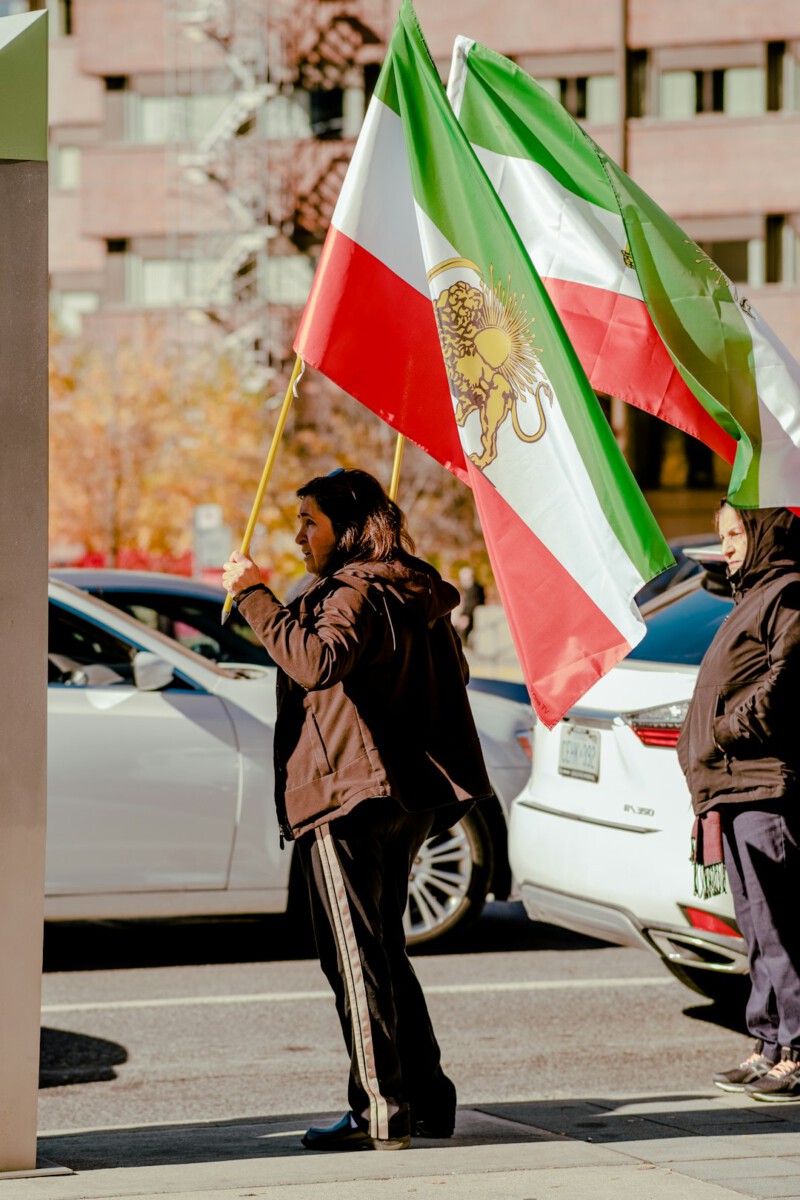
Demonstrators in Yazd raised cries of “Pahlavi,” invoking Reza Pahlavi, the exiled son of Iran’s last shah.[1]
The survivor captured the moment: “All people that night come out and say, ‘Pahlavi,'” signaling a yearning for monarchical restoration among some factions.[1]
Pahlavi, based near Washington, D.C., has emerged as a symbolic figure for regime opponents, though his domestic backing remains uncertain. Protesters viewed the chants as a unified rejection of clerical rule. The reference underscored shifting aspirations amid chaos.
- Crowd size: Approximately 1,500 in Yazd march.
- Attack method: Fire from front and rear.
- Escape route: Side street amid shooting.
- Local toll estimate: Over 1,000 dead.
- Post-event mood: Sadness and anger dominate.
Plea Targets U.S. Leadership
The man addressed President Trump directly in his video interview with CBS News correspondent Ramy Inocencio.[1]
“On behalf of all Iranians, I ask President Trump to help us achieve freedom, because our freedom is the freedom of the whole world from terrorists,” he stated.[1][2]
Follow-up messages urged American air strikes to topple regime leaders. Trump had previously warned against protester killings and deployed the USS Abraham Lincoln carrier group to the region. Iran’s Revolutionary Guard affirmed combat readiness in response. The appeal highlighted protesters’ hopes for external pressure.
Key Takeaways
- Nationwide death toll may exceed 20,000 amid blackout-enforced isolation.[1]
- Yazd massacre exemplifies regime’s ruthless tactics against crowds.
- Calls for Pahlavi and U.S. aid reveal diverse opposition strategies.
This survivor’s testimony lays bare the human cost of suppression and the faint hope flickering in Iran’s shadows. As global powers weigh responses, the world watches whether pleas from the blackout will spur action. What do you think about the unfolding crisis? Tell us in the comments.