


Budget cars often promise low upfront costs and decent fuel economy, yet some models struggle to deliver long term durability. Owners frequently report major repairs well before the 100,000 mile mark, turning what seemed like a smart purchase into an expensive headache.
Recent owner experiences and reliability surveys highlight patterns in certain economy focused vehicles. These issues often stem from transmission designs, engine components, or overall build quality that prioritizes price over longevity.
Nissan Versa
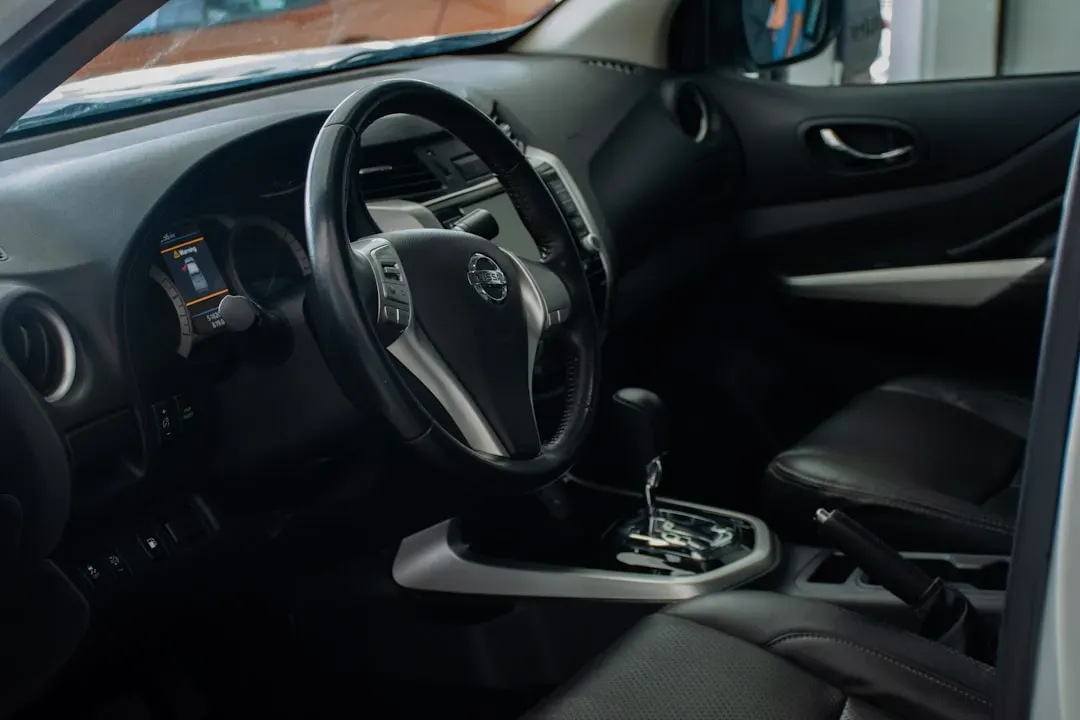
The Nissan Versa has earned a reputation for transmission troubles that surface early in its life. Many owners describe the continuously variable transmission as prone to slipping or complete failure around 60,000 to 80,000 miles. A 2024 analysis pointed to the CVT’s inexpensive construction as a key factor behind these breakdowns.
Repairs for the transmission can easily exceed the car’s resale value at that point. Fuel efficiency remains a selling point, yet the frequent shop visits offset those savings for many drivers. Data from owner forums and service records shows this pattern repeating across multiple model years.
Mitsubishi Mirage

The Mitsubishi Mirage stands out for its rock bottom price tag, but real world durability tells a different story. Constant visits to the repair shop become common as the vehicle ages, with issues ranging from electrical glitches to engine wear appearing before 70,000 miles. A 2024 review noted that the car loses value quickly once buyers inspect its long term reliability.
Its lightweight construction helps with mileage at the pump, yet it leaves little margin for error when components start to fail. Service records indicate that routine maintenance alone does not prevent these problems from escalating. Drivers often find themselves facing decisions about whether to invest in fixes or move on to another vehicle.
Kia Optima

The Kia Optima from certain years carries engine reliability concerns that limit its lifespan. The 2.4 liter powerplant has shown a tendency toward major failures well short of 100,000 miles in multiple reports. Theft vulnerabilities have also led to class action activity, adding another layer of risk for owners.
While some examples reach higher mileage with diligent care, the average experience points to expensive engine work or replacements earlier than expected. Recent surveys place these models lower in dependability rankings compared to other midsize options. Fuel economy and features make it appealing at first, but repair costs erode that advantage over time.
Fiat 500

The Fiat 500 appeals to city drivers with its compact size and style, yet mechanical issues often cut its useful life short. Transmission and electrical problems tend to appear in the 50,000 to 90,000 mile range according to service data. Parts availability and higher maintenance expenses compound the challenge for budget conscious owners.
Its European design brings a fun driving character, but that comes at the expense of robust components suited for higher mileage. Owner accounts from recent years describe repeated trips to the shop for issues that newer domestic alternatives avoid. The result is a vehicle that rarely justifies keeping past the point where major repairs become necessary.
Chevrolet Spark
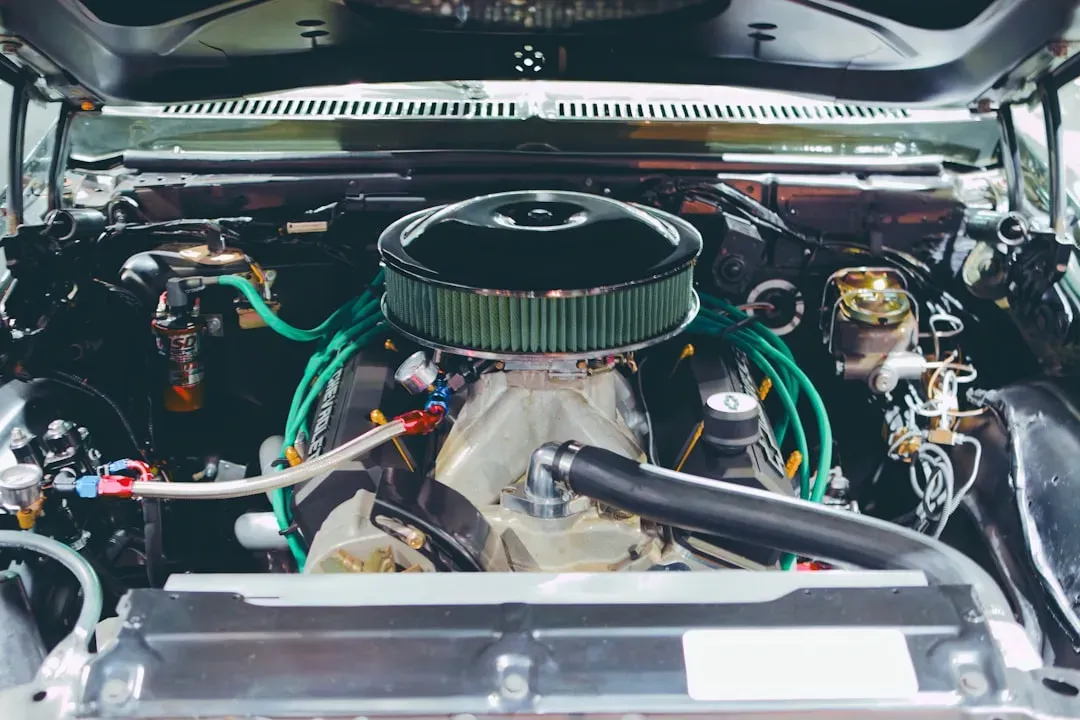
The Chevrolet Spark offers an ultra affordable entry into new car ownership, but longevity remains a weak point. Engine and transmission complaints surface frequently before the 100,000 mile threshold in owner reports. Its small size and basic features keep initial costs low, yet they do not translate into extended trouble free service.
Mechanics note that the powertrain setup lacks the durability seen in more established economy cars. Fuel savings help in the short term, but accumulating repair bills change the equation for many users. Recent reliability assessments continue to flag these models for above average problem rates in their class.
Nissan Sentra
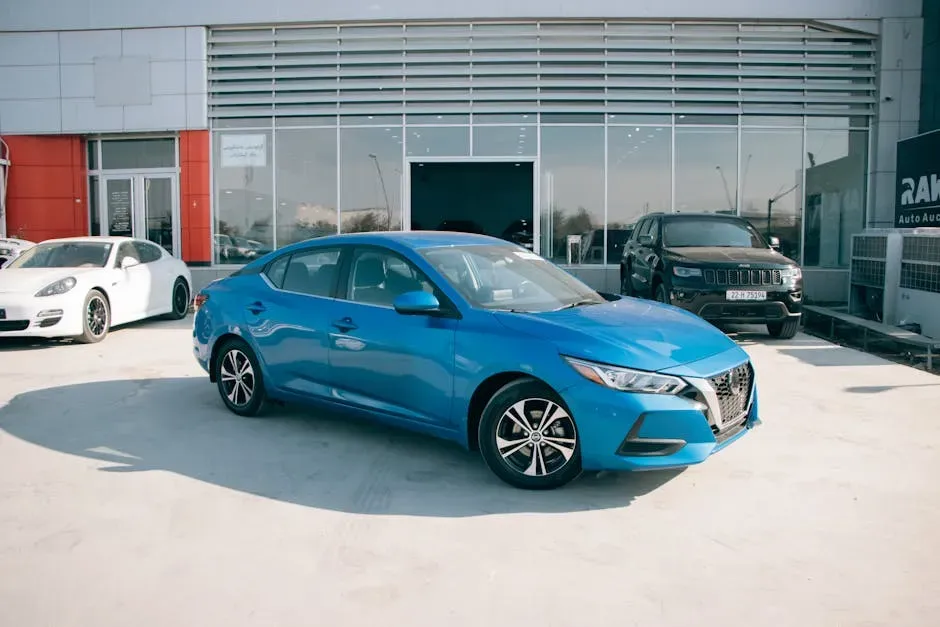
The Nissan Sentra shares transmission vulnerabilities with its smaller sibling, the Versa. CVT failures commonly occur in the 70,000 to 90,000 mile window, leading to costly replacements. A pattern of these issues appears consistently in service records and owner discussions from the past few years.
Comfortable ride quality and decent interior space attract buyers, yet the underlying mechanical weaknesses surface with regular use. Fuel economy stays competitive, but the prospect of an early transmission overhaul often prompts owners to sell before reaching higher mileage. Data from dependability studies reinforces this as a recurring concern for the model.
Choosing a budget car requires looking beyond the sticker price and considering long term ownership costs. Models with documented early failure points can quickly turn a bargain into a burden. Researching specific years and maintenance history helps avoid these pitfalls when shopping used.


