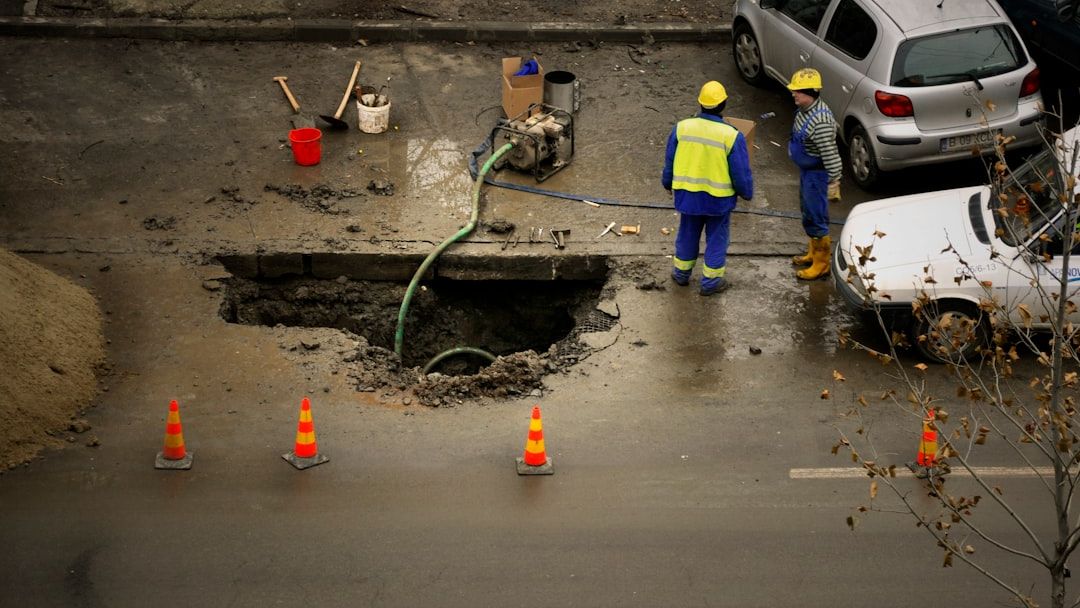

Imagine driving home through quiet New Jersey suburbs when the ground suddenly swallows a dump truck whole. That’s no movie scene. It’s the nightmare unfolding right now in places like Phillipsburg, where massive sinkholes have forced evacuations and states of emergency.[1][2]
Geologists peering underground with radar are spotting vast voids and caverns lurking just below the surface. These hidden dangers threaten homes, roads, and daily life. Let’s uncover what’s really going on beneath those manicured lawns.
The Phillipsburg Sinkhole Panic
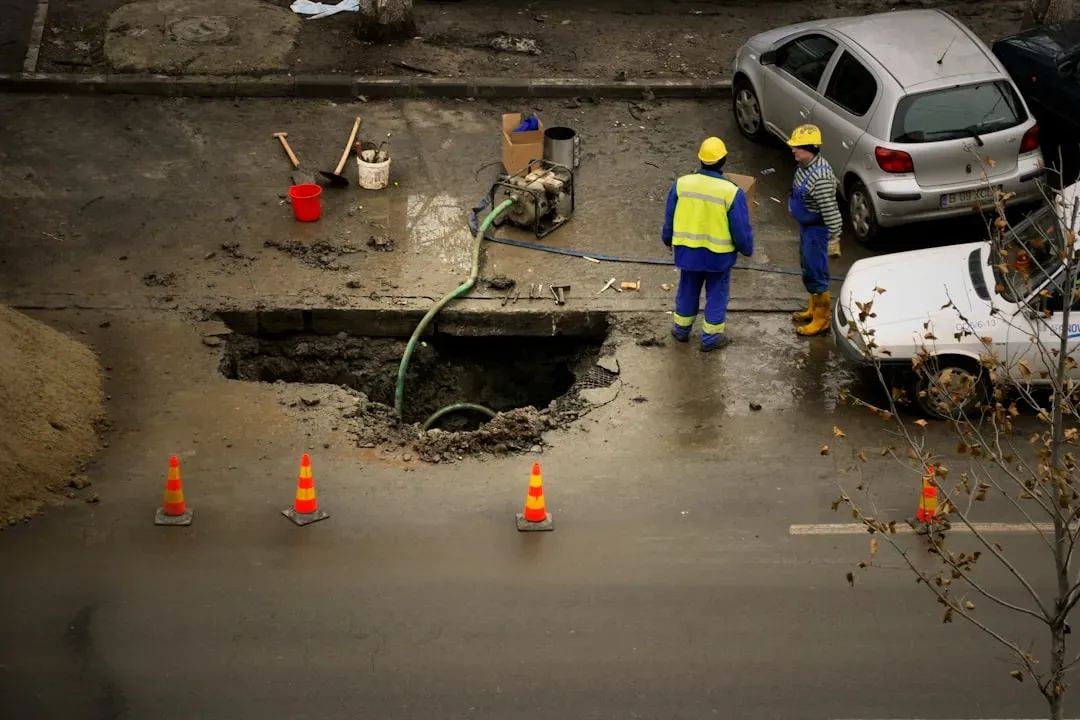
In February 2026, Phillipsburg declared a state of emergency after two massive sinkholes opened up. One swallowed a dump truck entirely, while sidewalks nearby sagged ominously. Ground-penetrating radar showed voids creeping closer to homes, prompting evacuations for seven families.[1][2]
Local officials worry the limestone bedrock common in the area is dissolving, forming these natural caverns. No injuries occurred, but the rapid worsening has residents on edge. Here’s the thing: this isn’t isolated.
Voids Under I-80 Highways
Back in late 2024, a sinkhole halted traffic on Interstate 80 in Wharton, Morris County. NJDOT scans revealed a whopping 90 potential underground voids nearby. Crews excavated an 11-foot-deep hole, but more keep appearing.[3][4]
By March 2025, a 15-by-15-foot crater formed during repairs, turning a fix into a crisis. Engineers blame unstable subsurface from old mines or karst features. Traffic nightmares aside, nearby suburbs feel the ripple effects.
Limestone Bedrock’s Deadly Secret
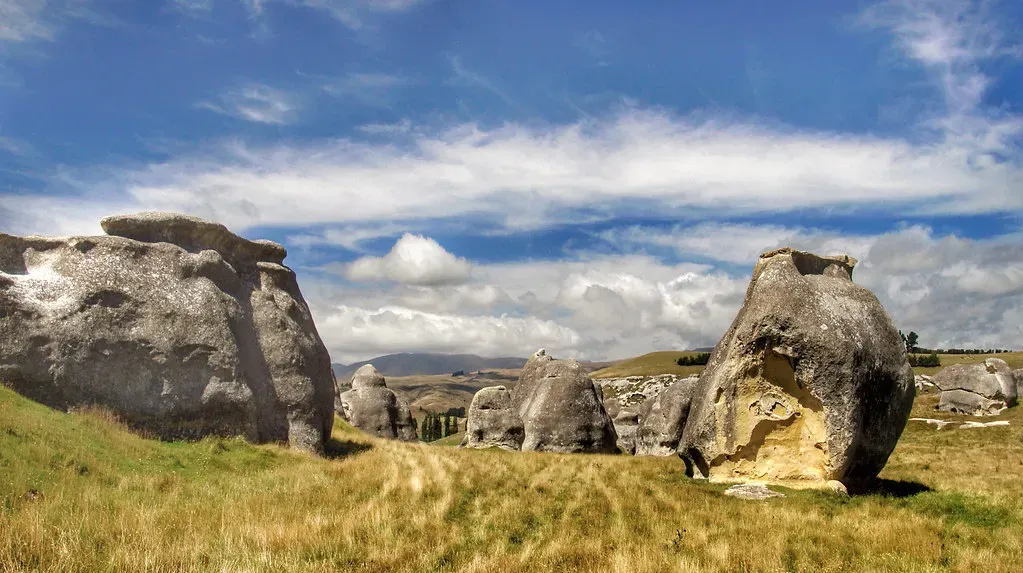
New Jersey’s geology plays a cruel trick in places like Phillipsburg’s valley. Limestone underneath dissolves over time from acidic rainwater, carving out hidden caves. Geologists note these areas are prime for sinkholes.[2][5]
It’s like the ground is Swiss cheese waiting to collapse. Suburban developments often overlook this, building right over unstable spots. Honestly, it makes you rethink that dream home purchase.
Abandoned Mines Stirring Trouble
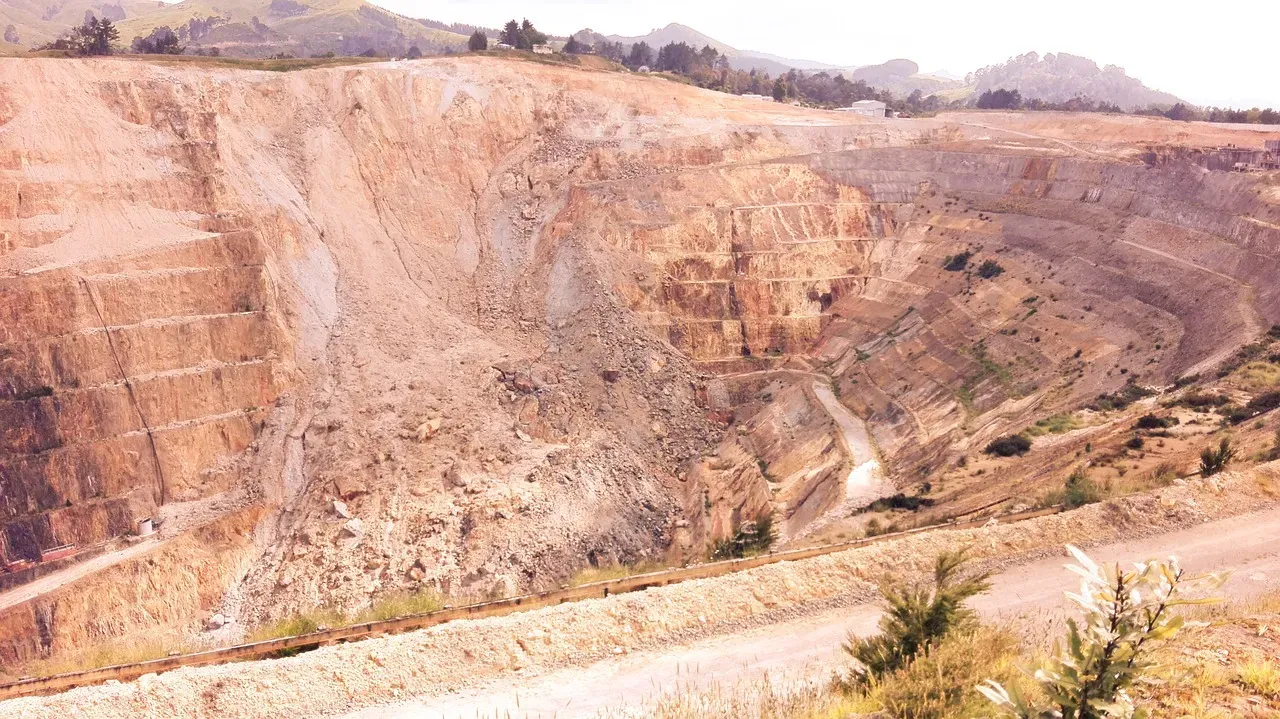
Many sinkholes trace back to long-forgotten iron mines beneath routes like I-80. Droughts dry out support pillars, causing cave-ins decades later. A geotechnical expert called remediation tricky after all this time.[6]
Wharton’s mayor dodged questions on why they’re surfacing now. Still, the NJDOT links them to subsurface instability. Suburbs along these corridors now scan for more hidden threats.
Drought and Quakes as Catalysts

Two years of drought weakened underground structures, per NJDOT reports. Add the 4.8 magnitude earthquake in April 2024, and boom – destabilization. Even low seismic areas like Morris County felt the jolt.[6]
Geologists say it’s a perfect storm hitting fragile geology. Voids grow, roads crack, and authorities scramble. No wonder locals are spooked.
NJ Geological Survey Steps In
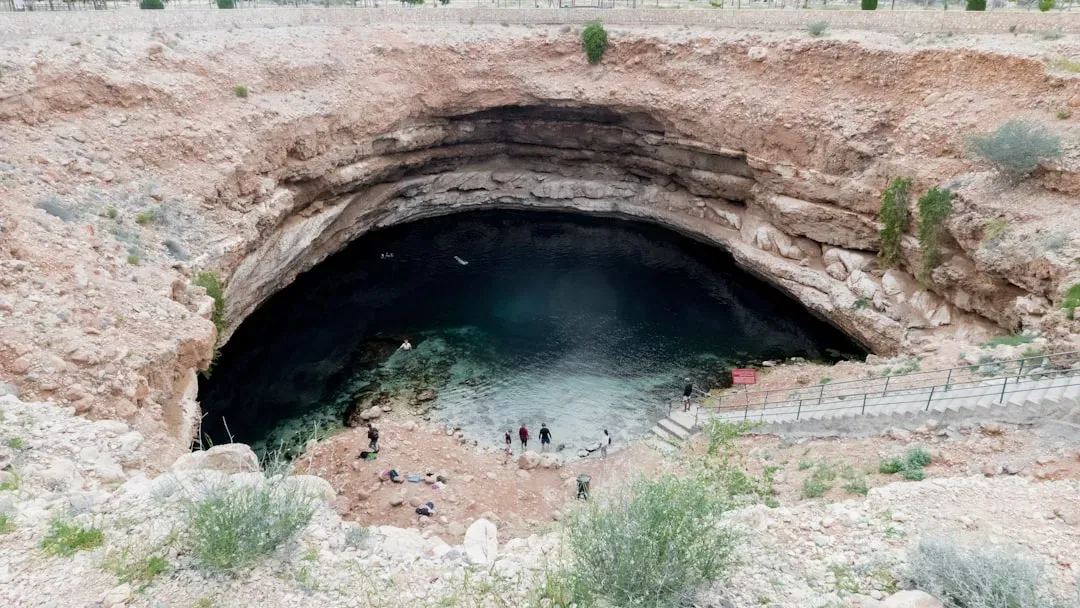
The New Jersey Geological and Water Survey tracks sinkholes statewide. They classify types and offer remediation guides for property owners. Recent bulletins highlight karst terrain risks in suburban zones.[5]
Tools like InSAR detect subtle ground shifts early. In Avalon apartments, residents flagged potential movement post-sinkholes. Prevention beats panic every time.
States of Emergency and Evacuations

Phillipsburg’s emergency order came fast as voids neared homes. Sidewalks buckled, raising fears of wider collapses. Authorities evacuated proactively, sparing disaster.[1]
Similar scares hit Route 80, closing lanes for weeks. It’s a wake-up call for suburban planning. Let’s be real – ignoring geology isn’t an option anymore.
Legislation to Plug the Gaps
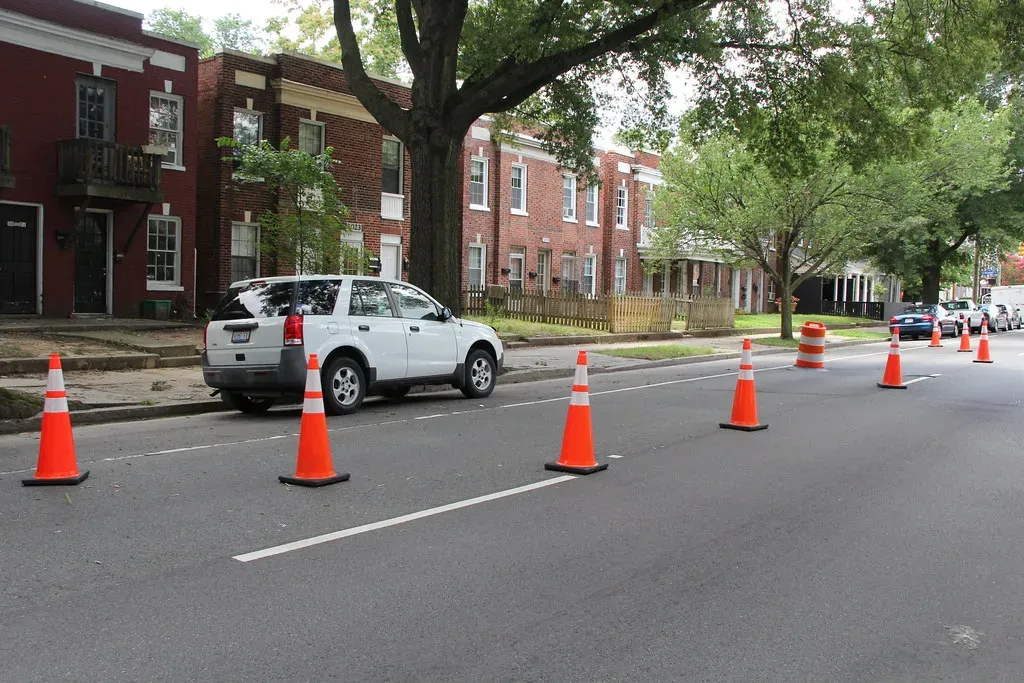
By December 2025, lawmakers pushed bills targeting abandoned mines after I-80 woes. First sinkhole hit eastbound lanes in 2024, followed by more. The goal: better mapping and stabilization funds.[7]
It’s about preventing the next big drop. Suburbs can’t afford endless repairs. Progress feels slow, but it’s moving.
Homeowners on High Alert
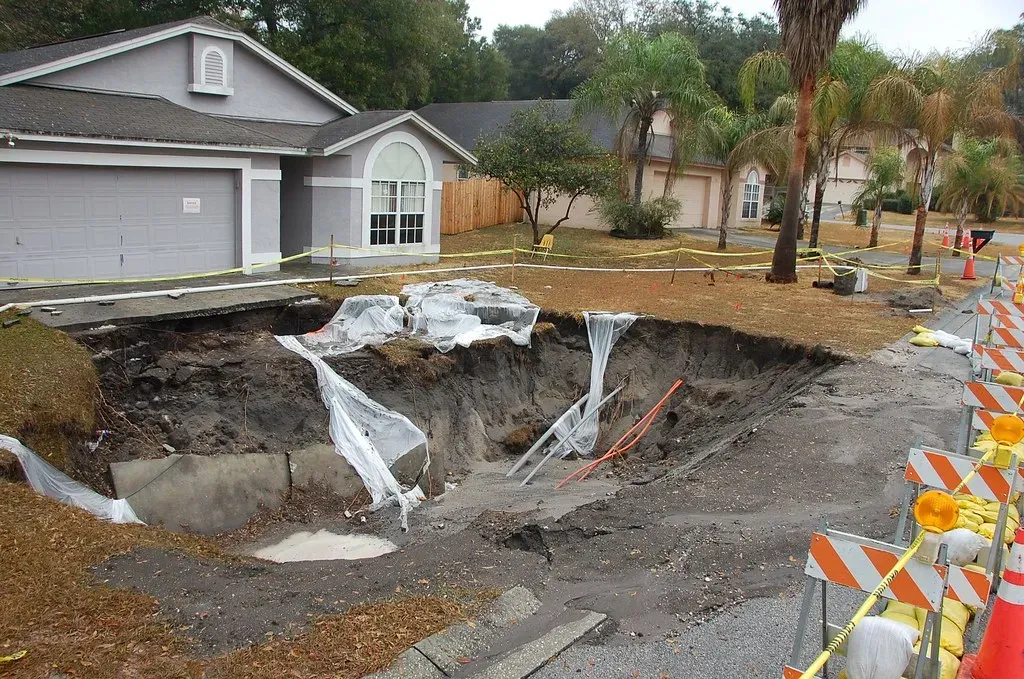
Cracks in driveways or dipping lawns scream trouble. NJGS urges reporting suspected sinkholes immediately. Insurance might not cover natural collapses, so check policies.[5]
Radar surveys now scan high-risk suburbs routinely. One resident quipped about fearing their house sinking – it’s no joke. Stay vigilant out there.
A New Fault Adds to the Worry
Geologists mapped a previously unknown fault explaining the 2024 quake’s odd shaking. Energy bounced through soft sediments under suburbs, amplifying effects far away. Tewksbury barely shook, but NYC did.[8]
This discovery heightens concerns for seismic risks in built-up areas. Combined with voids, it’s a double whammy. Authorities monitor closely now.
These underground revelations demand action before more suburbs swallow their secrets. What signs have you spotted in your neighborhood?