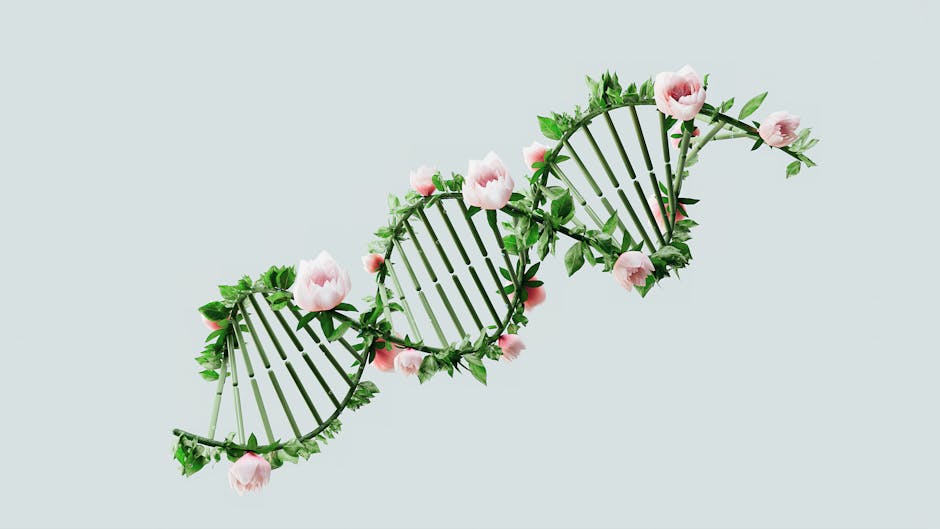

It sounds like something out of a science fiction novel. You walk into your neighborhood library, hand over your library card, and instead of checking out a novel, you walk out with a DNA testing kit. No charge. No doctor’s office. No shipping fee. Just a swab, a seal, and weeks later, a window into your biological past.
It’s a wild thought, right? But maybe not as far-fetched as it seems. Libraries have already transformed into hubs for 3D printing, digital media studios, genealogy archives, and technology workshops. The leap toward DNA access is, honestly, less of a jump and more of a short step. Let’s dive into what this would actually mean, who it would benefit, and what could go wrong.
The Library Has Already Reinvented Itself
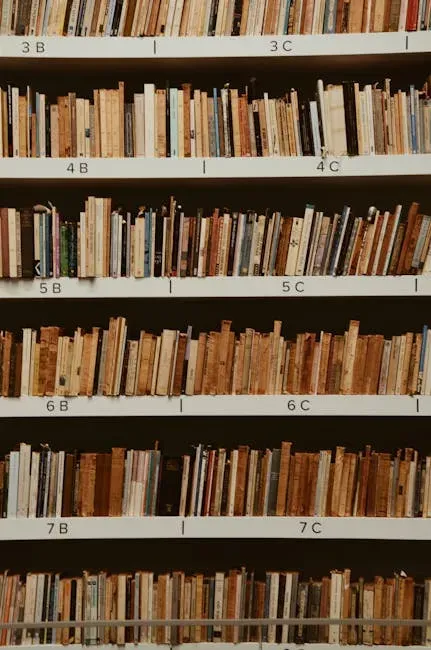
Most people still picture the library as a quiet place with long shelves and the faint smell of old paperbacks. That image is outdated. Beyond the loaning of laptops and phone chargers, libraries are branching out into supporting patrons by providing spaces and services that encourage art, communication, and innovation. Things like podcast studios, virtual reality labs, and 3D printers are now standard features in many major public branches.
The Octavia Lab’s maker space at the Los Angeles Public Library, for example, has tools for all types of creators – whether you’re recording music, editing photos, or 3D printing your gadgets, the lab is filled with endless opportunities for creation and education. That’s a library. A public library. Free to use.
Makerspaces and hackerspaces provide places in the community where individuals can gather, use shared equipment, and learn. If that already includes laser cutters and circuit boards, DNA kits don’t feel like a stretch at all. The library has always been about democratizing access to knowledge, and right now, genetic knowledge is stuck behind a paywall.
A Booming Industry That Most People Can’t Fully Afford
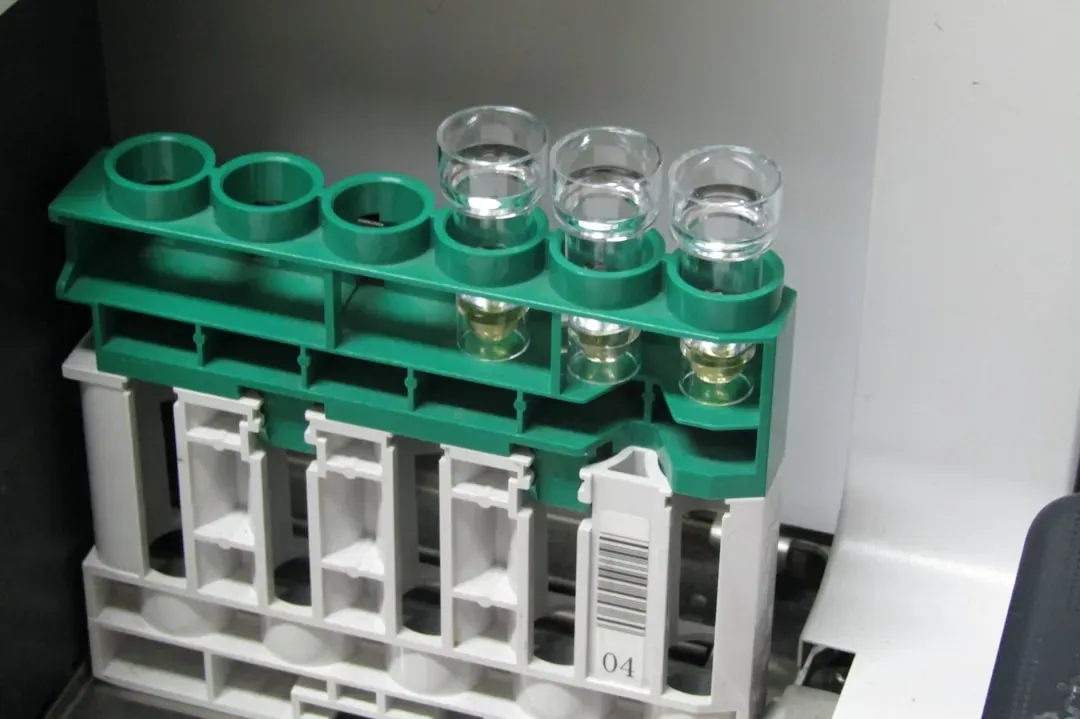
The global direct-to-consumer genetic testing market size was estimated at USD 1.9 billion in 2023 and is projected to reach USD 8.8 billion by 2030, growing at a CAGR of 24.4% from 2024 to 2030. That’s explosive growth. This isn’t a niche hobby market anymore.
The market is experiencing significant growth driven by the growing consumer preference for personalized wellness solutions, with growing awareness particularly among Millennials and Gen Z, who are seeking personalized genetic insights into diet, fitness, and disease risk. Yet cost remains a barrier. Not everyone can afford even a moderately priced kit.
Over 27 million people are connected with Ancestry’s consumer DNA network, which contains 65 billion records online and is available in more than 89 markets globally. Still, that number represents a sliver of the global population. A library program could bring this technology to the people who are routinely left out of the conversation.
Libraries Already Have a Foot in the Genealogy Door
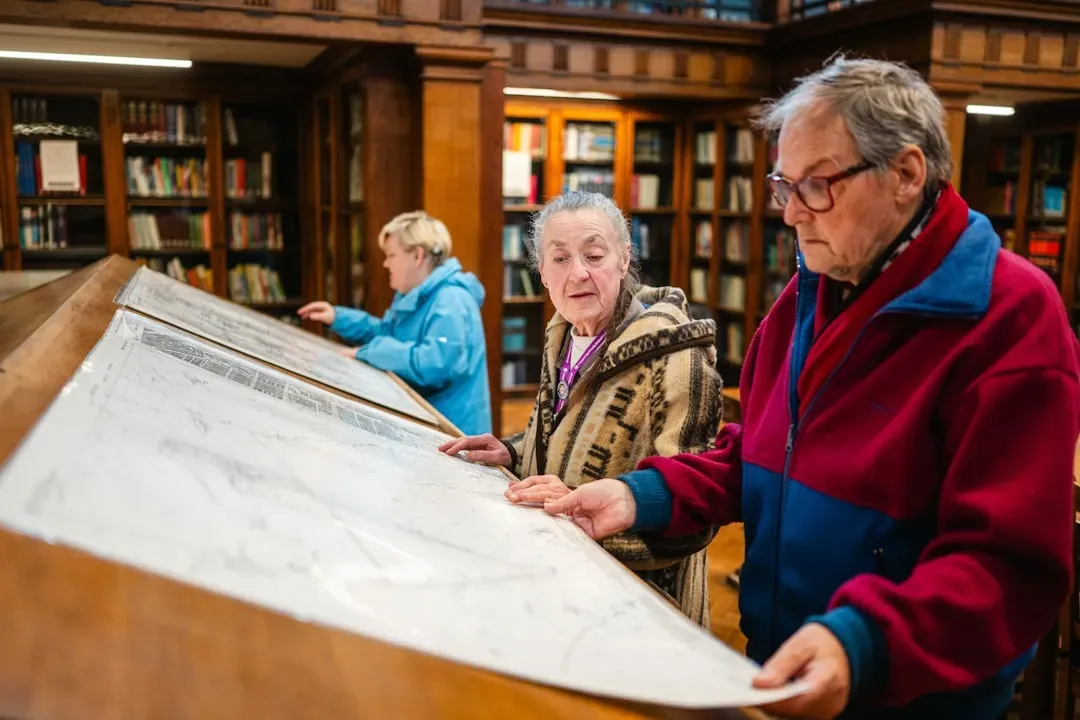
Here’s something most people don’t realize: libraries are already deeply involved in family history research. They’re not starting from zero. Libraries are vital resources for family history researchers, and many public libraries now provide everything from online access, including subscriptions to Ancestry.com and other online databases, to areas full of local history resources.
Some libraries, like the Albuquerque Bernalillo County Public Library, offer free individual assistance from experienced researchers, with experts on genetic genealogy and DNA, military research, African American families, and more available to help patrons. They’re literally already helping people interpret DNA results. Offering the kits themselves is the obvious next step.
Libraries like Mid Continent Library have presented programs called “Introduction to Genetic Genealogy,” which discuss the basics of DNA, how to choose the right test, and how to utilize test results in genealogy research. The infrastructure for public genetic education is already quietly in place. What’s missing is the kit itself.
The Scale of Public Library Reach Is Staggering

Think about the sheer potential footprint of a program like this. According to the American Library Association, there are more than 16,000 public library locations across the United States, serving millions of residents every single week. That’s a distribution network most private companies would kill for.
The Allen County Public Library’s genealogy center alone attracts more than 100,000 researchers from across the country each year. That’s one library. One. Imagine that kind of engagement scaled across thousands of branches in every state, every city, every small rural town.
Libraries reach people that commercial platforms simply don’t. Elderly residents without smartphones. Families in lower-income neighborhoods. First-generation Americans trying to piece together histories that were never written down. Honestly, if there’s any institution positioned to democratize access to personal genomics, it’s the public library.
What Would the Results Actually Tell You?
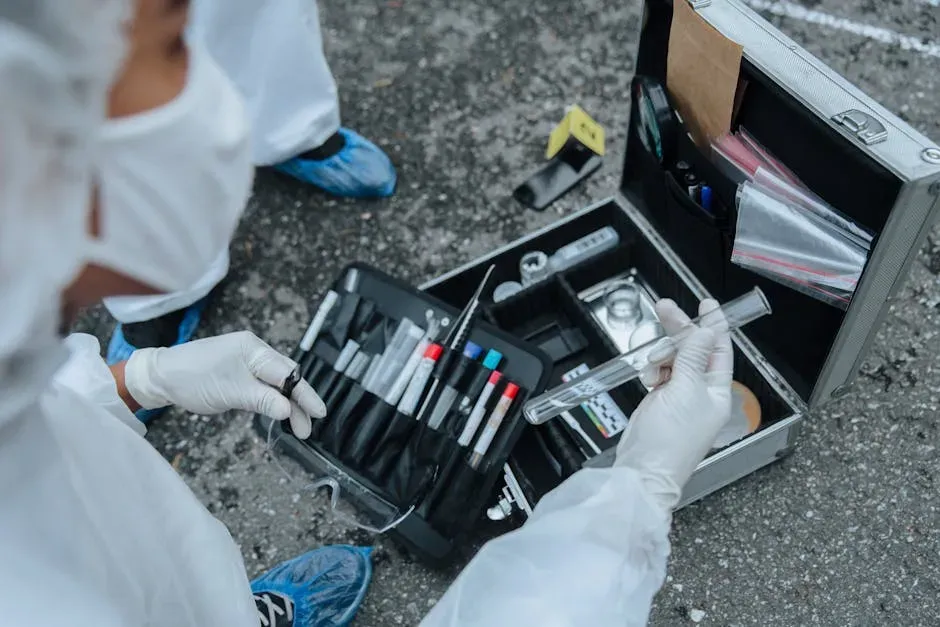
A fair question. Because it’s easy to imagine the vague promise of “learning about your ancestry” without really understanding what you’re getting. These kits are easy to use: you collect a saliva sample, seal it in a prepaid package, and send it to the lab. Within weeks, results provide ancestry breakdowns, family history insights, and health-related information such as genetic predispositions to conditions like heart disease or Alzheimer’s.
Genetic genealogy is the use of DNA testing in combination with traditional genealogy research methods to determine biological relationships between individuals, and with advancements in DNA testing technology and the increased availability of home testing kits, genetic genealogy has become more popular in recent years. Think of it like combining a family photo album with a biological instruction manual.
Home testing has also led to family secrets being revealed, sometimes painful ones. Many users have discovered that one or both of the parents that raised them were not their biological parents, and others have discovered half-siblings or close biological relatives they did not know existed. It’s a reminder that the results can be genuinely life-altering, not just a curiosity.
Privacy: The Elephant in the Room
Let’s be real. The privacy concerns around DNA data are serious, and no article on this topic is honest without confronting them directly. Your DNA is some of your most sensitive data. Behind the convenience of these kits lies a serious trade-off: your genetic data and your family’s may be at risk from privacy breaches and questionable data-sharing practices, exposing your most sensitive information to threats you can’t always control.
In October 2023, genetic testing company 23andMe revealed that a threat actor had accessed certain profile information shared through its DNA Relatives feature. By December 2023, the company disclosed that the threat actor had accessed approximately 14,000 user accounts, using those credentials to access the information of 6.9 million profiles. That’s not a minor breach. That’s millions of people’s biological identities exposed.
After declaring bankruptcy in March 2025, direct-to-consumer genetic testing company 23andMe sold the data of more than 15 million people worldwide to TTAM Research Institute, a nonprofit created by 23andMe’s founder. Customers might have breathed a sigh of relief, but the saga made clear how existing laws fail to fully protect genetic data against exploitation and misuse. This is the cautionary tale that any library program would need to reckon with head-on.
The Informed Consent Problem Is Bigger Than You Think
Here’s something that doesn’t get discussed enough. When you submit your DNA, you’re not just making a decision for yourself. Consumers considering purchasing a DTC genetic test must weigh the perceived privacy risks against the benefits. The Genetic Information Nondiscrimination Act of 2008 was created to protect individuals from discrimination based on their genetic information, but it contains significant limitations, as it does not include discrimination in life insurance, disability, or long-term care facilities.
Think of it this way: your DNA is like a shared password that also belongs to your siblings, your children, your parents. When you submit it, you’re making a genetic disclosure on behalf of people who never signed anything. Findings from a 2025 study highlight the differences between consumer decision-making and public discourse, with social media comments focusing heavily on issues of privacy and institutional distrust.
All four states that enacted new genetic privacy laws in 2023 created consumer rights to access and delete personal data, prohibited sharing genetic information with insurers and employers, and required companies to create comprehensive security programs to protect individuals’ data. The regulatory landscape is improving, slowly. But a library program would need robust consent protocols from day one.
The Case for Health Equity
I think this is where the argument for library-based DNA access gets genuinely compelling. The people who currently use consumer DNA tests tend to skew wealthier, more educated, and often of European ancestry. That’s not a coincidence. It reflects who can afford the kits and who has historically been included in genetic research databases.
According to the Journal of Community Genetics, roughly three quarters of direct-to-consumer DNA news articles state that testing was being used for familial connection or understanding hereditary traits, and nearly 77% asserted that testing enhances awareness of genetic diseases. Close to 60% stated that DNA results have the potential to inspire a more proactive approach toward health. Those are significant public health benefits. The question is who gets access to them.
A library-based program targeting underserved communities could meaningfully change that equation. It could help families with limited access to healthcare understand hereditary risks. It could empower communities whose genealogical records were destroyed or never kept. It’s hard to say for sure whether the political will exists to fund such a program, but the need is clearly documented.
Regulatory and Ethical Guardrails Already Exist

A library DNA program wouldn’t operate in a legal vacuum. Frameworks are already in place, even if imperfect. Companies selling genetic testing products tout benefits like learning more about health, lineage, and family tree, but for consumers to realize those benefits, they need to trust the company’s accuracy and its data minimization and privacy protection practices.
A joint enforcement action between the FTC and the California attorney general against CRI Genetics resulted in a settlement that required the company to halt deceptive practices, provide consumers with a right to delete their biometric information, and included a $700,000 civil penalty. Regulators are paying attention. That’s actually reassuring.
In addition to the four states that enacted genetic privacy laws in 2023, eight other states considered bills to regulate direct-to-consumer genetic testing companies’ privacy practices, demonstrating growing appetite for state genetic privacy legislation. The legal environment is maturing, and that makes a thoughtfully designed library program more feasible than it would have been even three years ago.
What a Real Library DNA Program Might Look Like

So how would this actually work in practice? Think of it less like handing out kits at the circulation desk and more like a structured community health and heritage program. Libraries would partner with reputable, privacy-first testing companies. Trained staff or community health volunteers would conduct brief consent and education sessions before any kit changed hands.
Some testing companies have already responded to customers’ privacy concerns by changing their policies and only allowing law enforcement to access DNA profiles after obtaining a warrant. A library program could mandate this standard as a non-negotiable condition of partnership. That’s a reasonable baseline.
Best consumer privacy practices should promote transparency about how genetic information is used, provide consumers with choices about consent for participation in research and destruction of their DNA samples, and enhance consumer protections to ensure genetic information is shared with the utmost discretion. Those aren’t just nice-to-have principles. They would be the foundation of any credible library program. Pair that with librarians trained in result literacy and community outreach, and you’ve got something genuinely powerful.
Conclusion

The idea of a library handing out free DNA kits feels radical until you actually stop and look at the evidence. Libraries are already digital hubs. They already partner with genealogy platforms. They already host DNA education workshops. The consumer genetic testing market, valued at roughly $2 billion and climbing fast, is growing in one direction while libraries are already moving in the same direction from the other side.
The privacy risks are real and cannot be minimized. The 23andMe bankruptcy in 2025 alone should be required reading for any institution considering a program like this. Informed consent, robust data deletion rights, and transparent partnerships would be non-negotiable starting points, not afterthoughts.
Still, the potential is hard to ignore. For communities that have never had equitable access to personalized health insights or genealogical tools, a thoughtfully designed library DNA program could be genuinely transformative. Libraries changed the world by making books free. What happens when they do the same for your biological story?
What do you think – would you trust your local library with your DNA? Tell us in the comments.