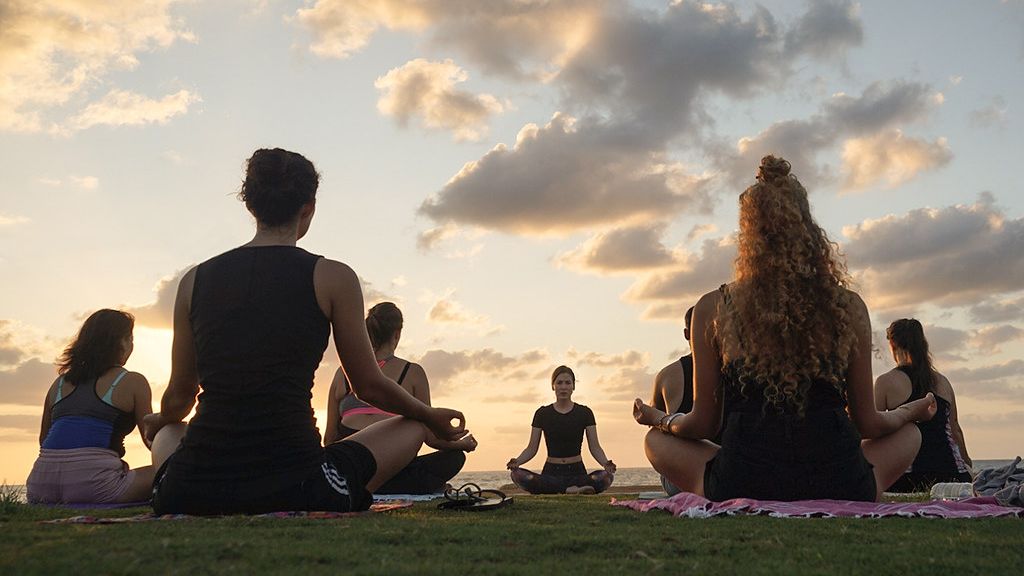

Most people think of a vacation as a break from life. A chance to eat well, sleep in, and forget about emails. But what if the right trip could actually do something far more powerful than that? What if it could lower your blood pressure, calm your nervous system, sharpen your mental health, and send you home genuinely healthier than when you left?
This isn’t wishful thinking. It isn’t a marketing tagline on a spa brochure. Researchers, doctors, and global health organizations have been quietly building a compelling body of evidence that travel, done with intention, can be a legitimate form of healing. Here’s what the data actually says, and why the next trip you book might be more therapeutic than you ever imagined. Let’s dive in.
The Wellness Tourism Boom Nobody Is Talking About Loudly Enough

Let’s start with a number that genuinely surprised me. The global wellness tourism market surpassed $954 billion in 2024, and it is projected to reach over $2 trillion by 2034. That is not a niche hobby market. That is one of the most explosive economic expansions in modern travel history.
According to the Global Wellness Institute, wellness tourism is on track to jump from $720 billion in 2019 to $1.4 trillion in 2027, and while the pandemic was a serious setback for the broader tourism industry, it actually galvanized the wellness movement. People came out of those years with a different relationship to their own health.
Since COVID-19, the travel industry has experienced a significant shift toward prioritizing health and well-being, leading to a boom in wellness tourism centered on holistic health experiences. Honestly, it makes sense. When the world shut down, people had time to think about what actually matters.
Stress, Burnout, and Why Vacations Actually Work

Here’s the thing about stress. It isn’t just a feeling. It changes your body at a biological level, raising cortisol, disrupting sleep, compromising immunity. A vacation, it turns out, is one of the most natural interventions available. A 2023 study published in the Journal of Applied Psychology found that vacations can meaningfully reduce stress and burnout and improve well-being, with benefits lasting for weeks after returning to work.
Mental wellness as a travel trend has been gaining significant traction over the past few years, reflecting a broader societal shift toward valuing mental health and self-care. This trend encompasses a range of experiences and destinations designed specifically to promote emotional, psychological, and spiritual well-being, driven by the modern-day pace of life leading to stress and burnout, and a desire for more authentic experiences.
Meditation retreats are structured programs that immerse participants in focused meditation, mindfulness, and self-reflection over extended periods. Unlike conventional vacations, which prioritize relaxation, meditation retreats combine intensive practice with intentional rest, cultivating emotional regulation, mindfulness, and personal growth. These retreats have grown in popularity for their ability to support mental, emotional, and physical well-being.
Forest Bathing: The Ancient Practice With Modern Science Behind It
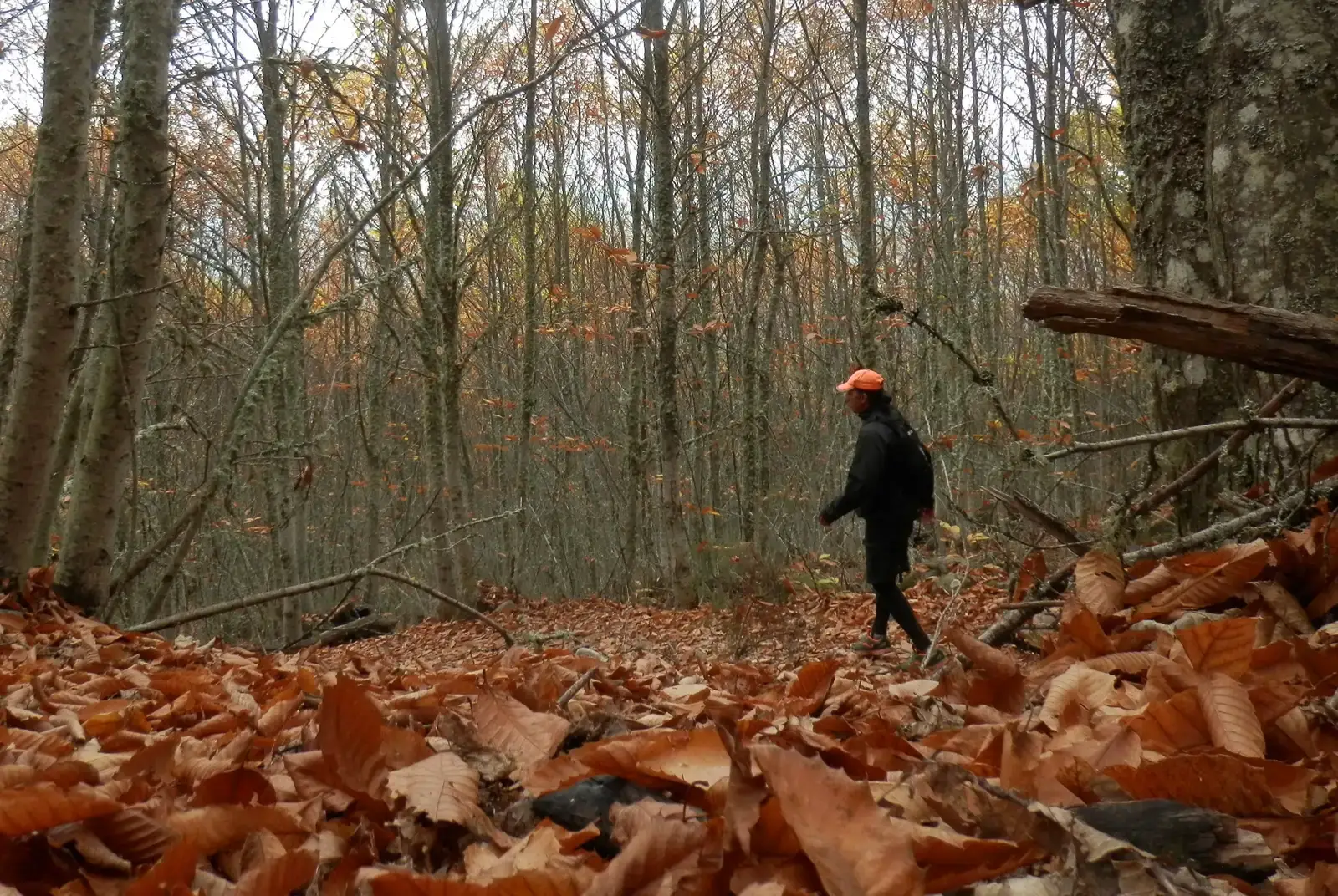
I know it sounds like something invented for a wellness magazine cover, but the science on forest bathing, or shinrin-yoku as it’s known in Japan, is surprisingly robust. Studies have found that forest bathing has positive physiological effects, such as blood pressure reduction and improvement of autonomic and immune functions, as well as psychological effects of alleviating depression and improving mental health.
Research on Shinrin-yoku shows that forest environments can lower concentrations of cortisol, lower pulse rate, lower blood pressure, increase parasympathetic nerve activity, and lower sympathetic nerve activity compared with city settings. Think of it like the opposite of rush hour traffic, physiologically speaking.
A systematic review concluded that forest bathing might remarkably improve cardiovascular function, neuroendocrine indexes, metabolic indexes, immunity, and inflammatory indexes, while also significantly enhancing people’s emotional state, physical and psychological recovery, and producing obvious alleviation of anxiety and depression. That list is essentially a checklist of everything modern medicine struggles to address with drugs alone.
The Healing Power of Thermal Spas and Heat Therapy
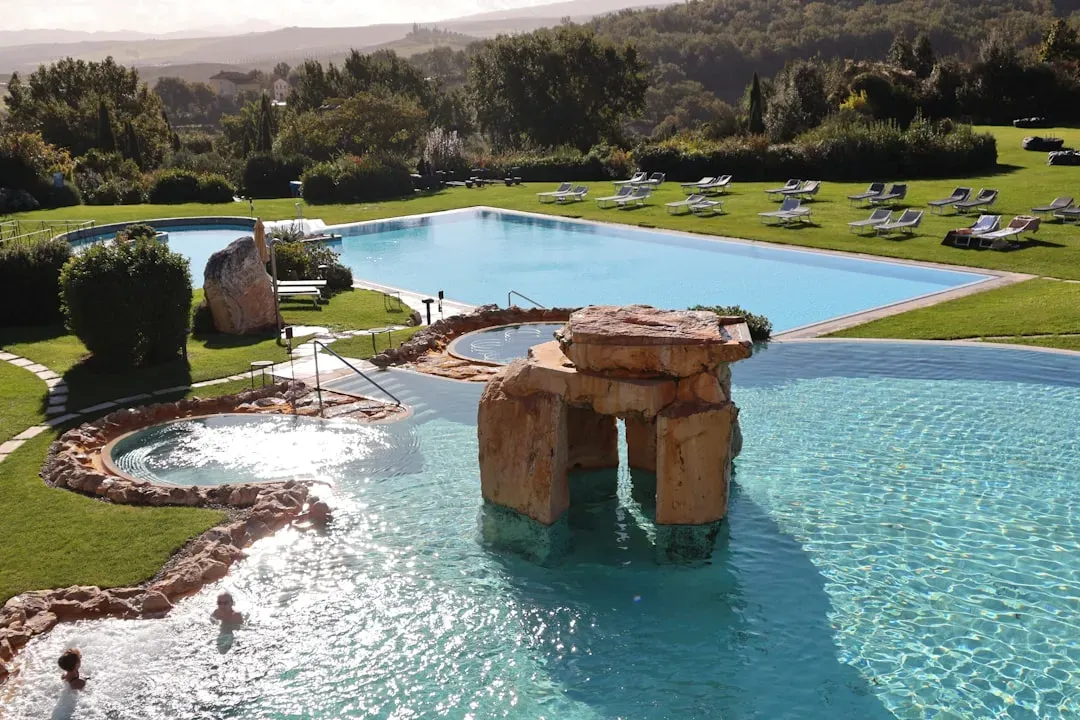
Thermal spas are one of the oldest forms of healing known to civilization. Cultures from Japan to Iceland to ancient Rome built entire communities around hot water. It turns out they were onto something very real. Passive heating practices such as hot water immersion and Finnish sauna bathing have been associated with reduced cardiovascular disease risk in observational studies.
Analyses from a cohort of Finnish men enrolled in the Kuopio Ischemic Heart Disease Risk Factor Study demonstrated that greater frequencies and durations of sauna use are associated with a decreased risk of fatal cardiovascular events and all-cause mortality, as well as a reduced risk of hypertension, stroke, dementia, and Alzheimer’s disease. That is a remarkable range of benefits from something that feels, from the outside, like simply sitting in a hot room.
Heat therapy has emerged as a novel intervention to improve cardiovascular health in various populations, and research has tested whether home-based lower body heat therapy reduces blood pressure and improves endothelium-dependent vasodilation in older adults. The results have been genuinely encouraging for researchers working in preventive medicine.
Nature-Based Tourism and Cortisol: What the Numbers Say
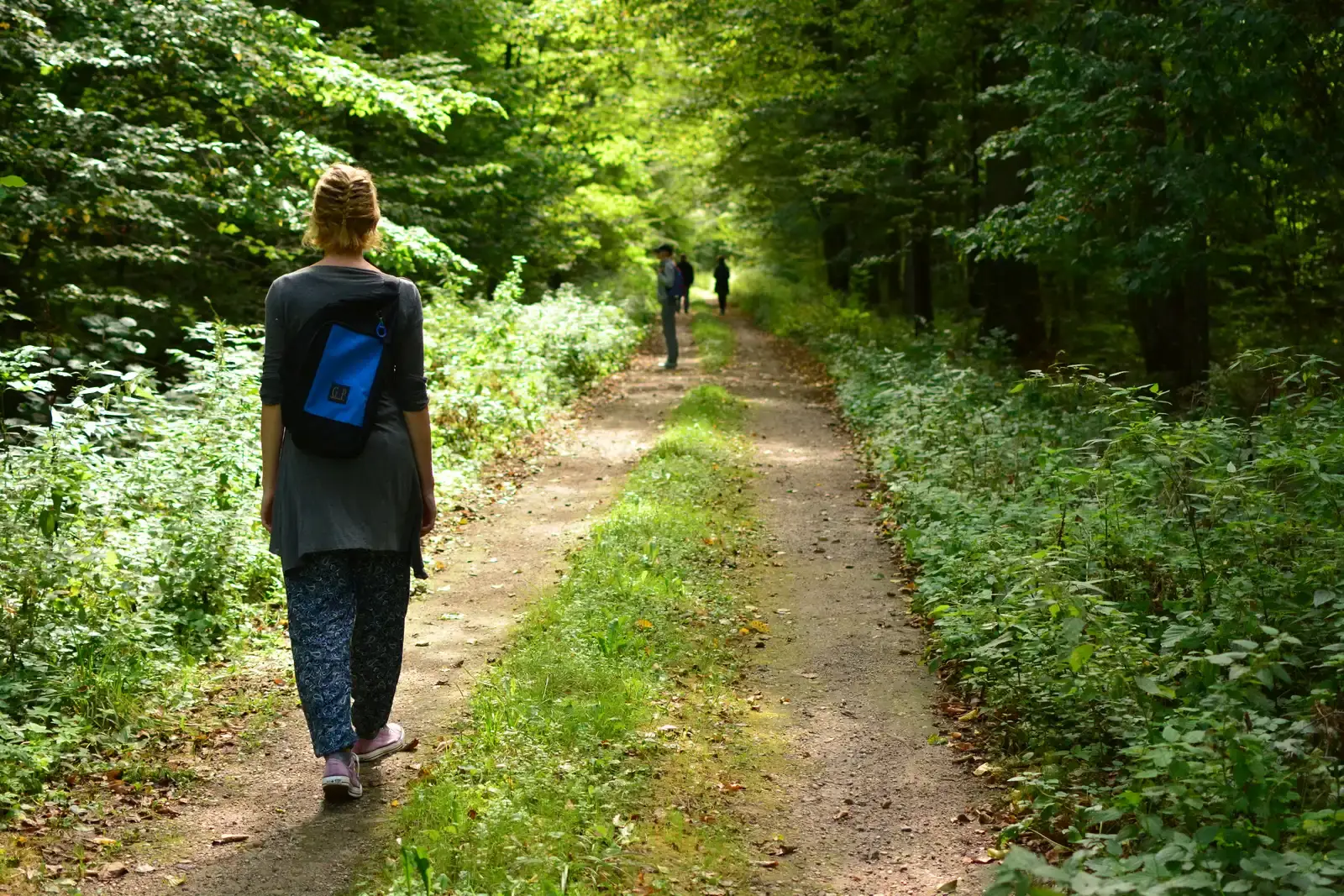
Cortisol is your body’s primary stress hormone. In small doses it’s useful. Chronically elevated, it contributes to heart disease, weight gain, sleep disruption, and depression. What you may not realize is that simply being in nature measurably brings it down. Research published in a 2019 peer-reviewed meta-analysis in the journal Environmental Health found that cortisol levels were significantly lower after time spent in forest environments across the majority of studies reviewed.
Shinrin-yoku significantly improved stress management at a physiological level and could be a valuable intervention for individuals experiencing stress. A 2023 study in Environmental Research also reported that spending time in natural environments such as forests or coastal areas can reduce cortisol levels and improve mental health, directly supporting the case for nature-based tourism.
Research on “blue tourism” presents large-scale survey evidence that proximity to water supports holistic health, both mental and physical, with implications for environmentally sustainable health-oriented tourism. So your beach holiday might be doing more good than you thought. The ocean view isn’t just pretty. It’s medicine.
Yoga Retreats: Movement, Mindfulness, and Real Results
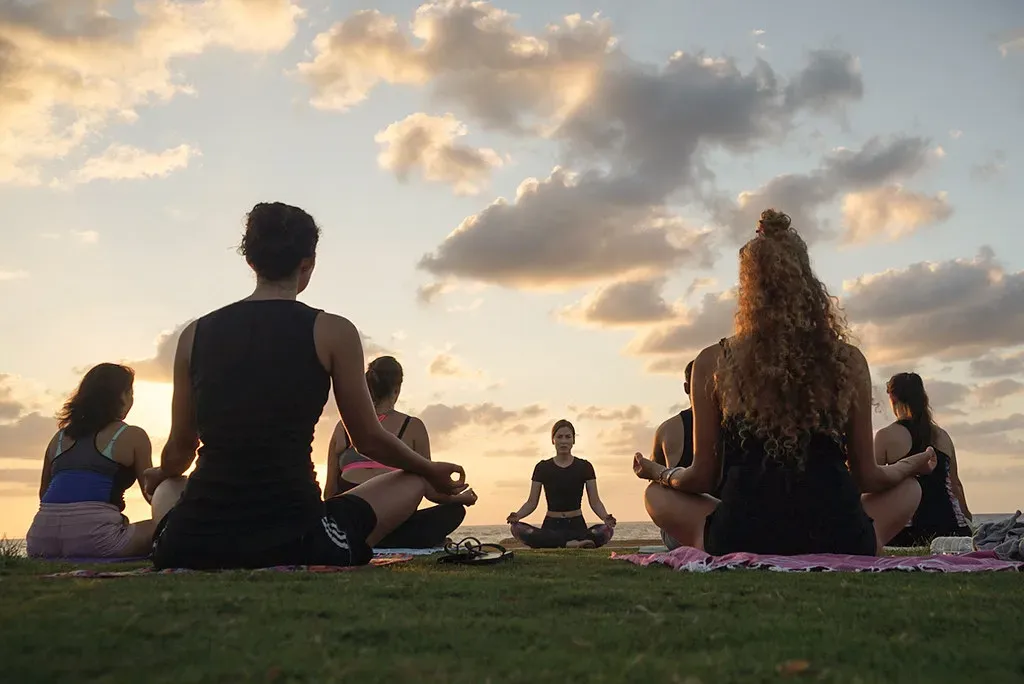
Yoga tourism has grown into a serious segment of the wellness travel market. Yoga tourism, where practicing yoga is a central vacation theme, is a growing niche within wellness tourism. People use their vacation time to enhance their well-being and seek a more balanced life through yoga. That sounds simple, but the outcomes people report are anything but trivial.
Wellness retreats that integrate yoga, breathwork, meditation, and more intensive therapy retreats are leading the industry and continue to be in high demand. It’s worth noting that these aren’t just relaxation exercises. Yoga practiced consistently has measurable effects on blood pressure, inflammation markers, and anxiety levels according to multiple peer-reviewed studies.
Primary wellness travelers are motivated to travel specifically due to wellness, seeking events and experiences that contribute to enhancing their overall wellness. These travelers engage in experiences that are centered around yoga retreats, sound healing, and Ayurveda therapy. The experience of combining travel novelty with structured wellness practice appears to amplify the benefits of each individually.
Sleep Tourism: The Most Underrated Health Trend of 2025 and 2026

Sleep deprivation is a genuine public health crisis. It’s linked to obesity, heart disease, cognitive decline, and immune dysfunction. Enter a fascinating travel trend: people are now booking trips specifically to sleep better. Sleep tourism has emerged as a trend catering to the growing demand for quality sleep for overall health and well-being, as stress and sleep deprivation become more prevalent and people seek ways to improve their sleep.
Some resorts now offer sleep therapy programs that begin with a precise diagnosis using state-of-the-art equipment and a detailed examination of sleep phases, after which a dedicated sleep therapist creates a bespoke sleep program heavily focused on the gut, relaxation, exercise training, and mental coaching. That’s not a spa day. That’s a clinical program packaged inside a vacation.
The wellness tourism market is projected to reach approximately $978 billion in 2025, with a growing compound annual growth rate, and this includes a rise in soft travel focused on mental health, digital detox experiences, and a growing interest in sleep tourism where travelers seek destinations specifically designed for quality sleep. The market is literally following the science.
The Digital Detox Retreat: Healing Through Disconnection
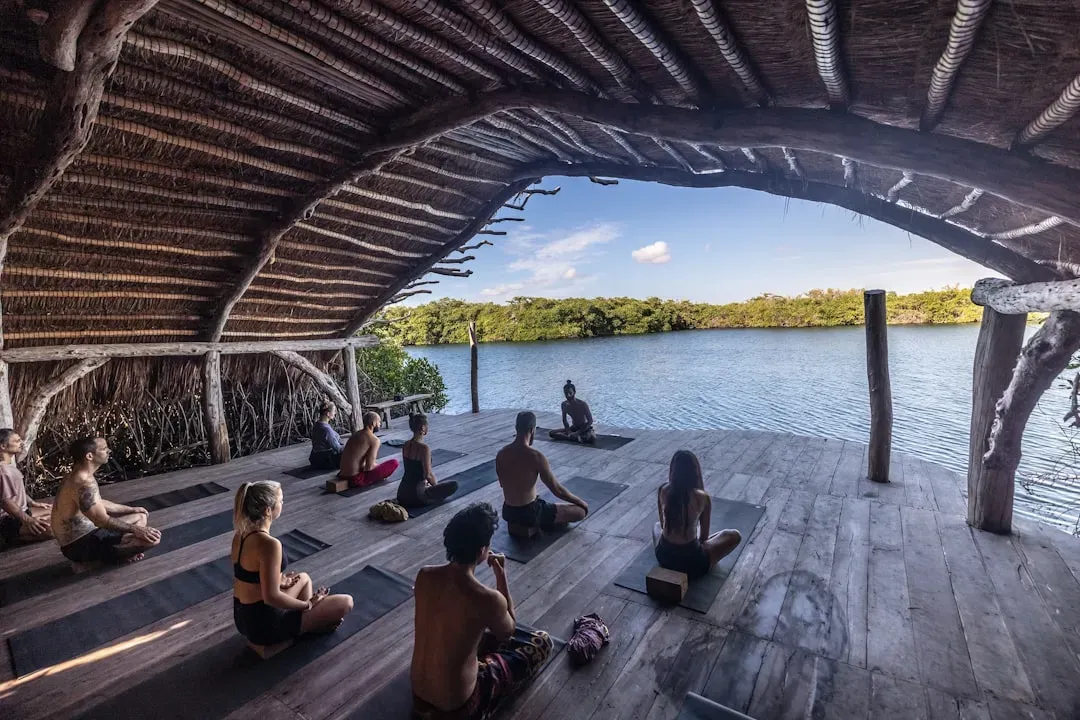
Here is something that feels almost paradoxical in 2026: one of the most effective things you can do for your brain health might be to go somewhere with no Wi-Fi signal. Digital detox retreats ban phones and Wi-Fi to swap scrolling for more grounding activities, and according to a 2024 Common Sense Media report, Americans average 7.5 hours of screen time daily. Seven and a half hours. That’s more than most people sleep.
The chronic overstimulation of connected life doesn’t just feel exhausting. It reshapes the stress response. Retreats built around disconnection give the nervous system something it almost never gets in modern life: genuine quiet. Some programs like Unplugged Retreats provide minimalist, off-grid cabins within an hour of London, where guests lock away devices for a 72-hour reset, proven to enhance sleep, reduce brain fog, and promote calm and clarity.
In 2026, travel promises something more essential than escape, namely regulation and restoration, as wellness is no longer a side benefit of time away, but its central purpose. That shift in how we think about travel is genuinely significant. A trip is no longer just a place you go. It can be something that changes your biology.
Who Is Actually Spending on Wellness Travel, and Why It Matters
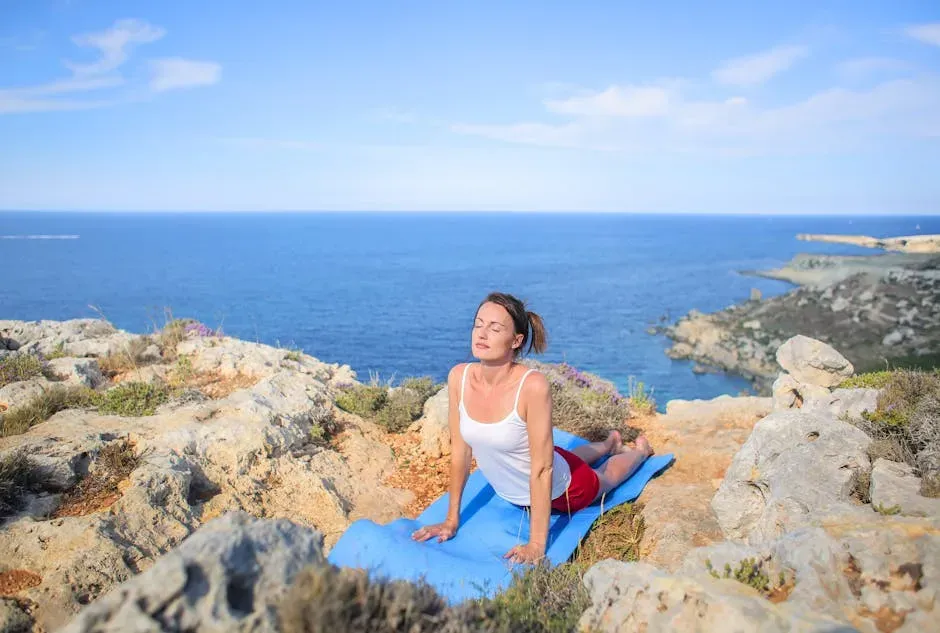
You might assume wellness travel is a luxury reserved for the very wealthy. The data tells a more nuanced story. According to the Global Wellness Institute, wellness travelers spend on average roughly 41 percent more per trip internationally than typical tourists, reflecting growing demand for health-focused experiences like thermal spas and yoga retreats. Yet the fastest-growing segment involves people who add wellness components to ordinary trips.
Secondary travelers led the global wellness tourism market with remarkable revenue share in 2024. Secondary travelers include various wellness activities in their tourism while their main travel purpose is different, meaning business travelers and leisure travelers who include wellness activities to enjoy alongside their main motive simultaneously.
Travelers today are more intentional about well-being, prioritizing mental health, resilience, and recovery. The rise of remote work, digital nomads, and wellness-focused business travel is increasing demand for wellness experiences in both traditional and non-traditional hospitality settings. In other words, the line between a work trip and a healing trip is dissolving fast.
The Science of Coming Home Healthier: What the Evidence Adds Up To
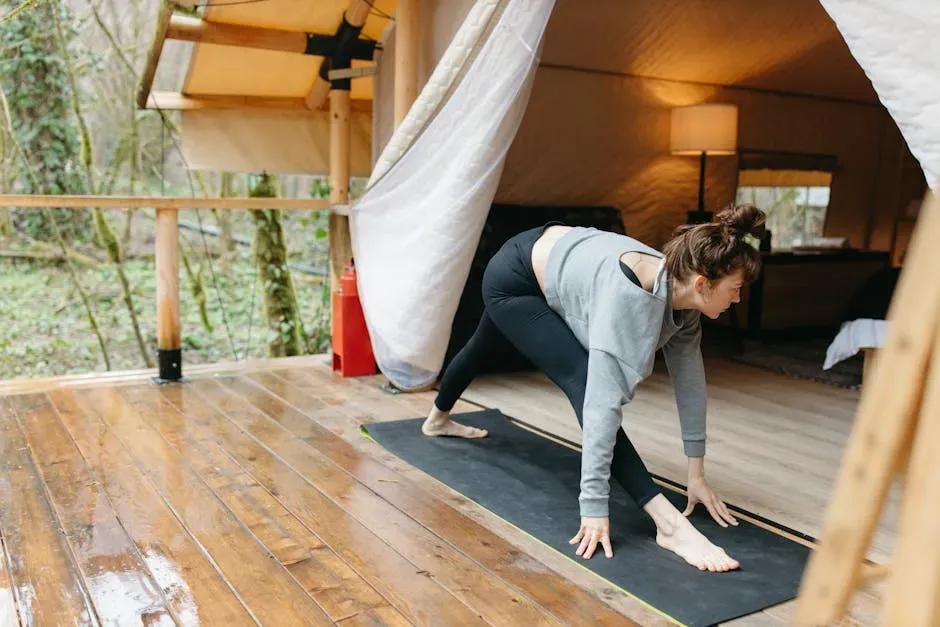
Step back for a moment and look at the full picture. Forest bathing lowers cortisol and blood pressure. Sauna therapy reduces cardiovascular risk. Nature exposure improves immune function. Sleep tourism addresses one of the most widespread health crises of our time. Meditation retreats rewire stress responses. It’s hard to say for sure that a single vacation will transform your health permanently, but the evidence that intentional travel produces measurable physiological changes is increasingly difficult to dismiss.
These offerings empower individuals to gain profound insights into their health status and make informed lifestyle choices while indulging in the rejuvenating benefits of travel, and as travelers increasingly prioritize preventive healthcare and holistic well-being, the diagnostic boom in wellness travel is set to continue reshaping the tourism industry.
Burnout, hormonal imbalance, and nervous system overload are no longer niche concerns but part of everyday conversation, reframing wellness not as an indulgence but as essential maintenance for contemporary life. Travel, in turn, has become more intentional and purpose-driven. That, honestly, might be the most important shift in how we think about vacations in a generation. We used to ask: where do I want to go? The better question, backed by science, is: what does my body actually need?
So the next time you’re planning a trip, maybe don’t just ask where. Ask what it could heal. What do you think? Would you book a vacation specifically for your health?