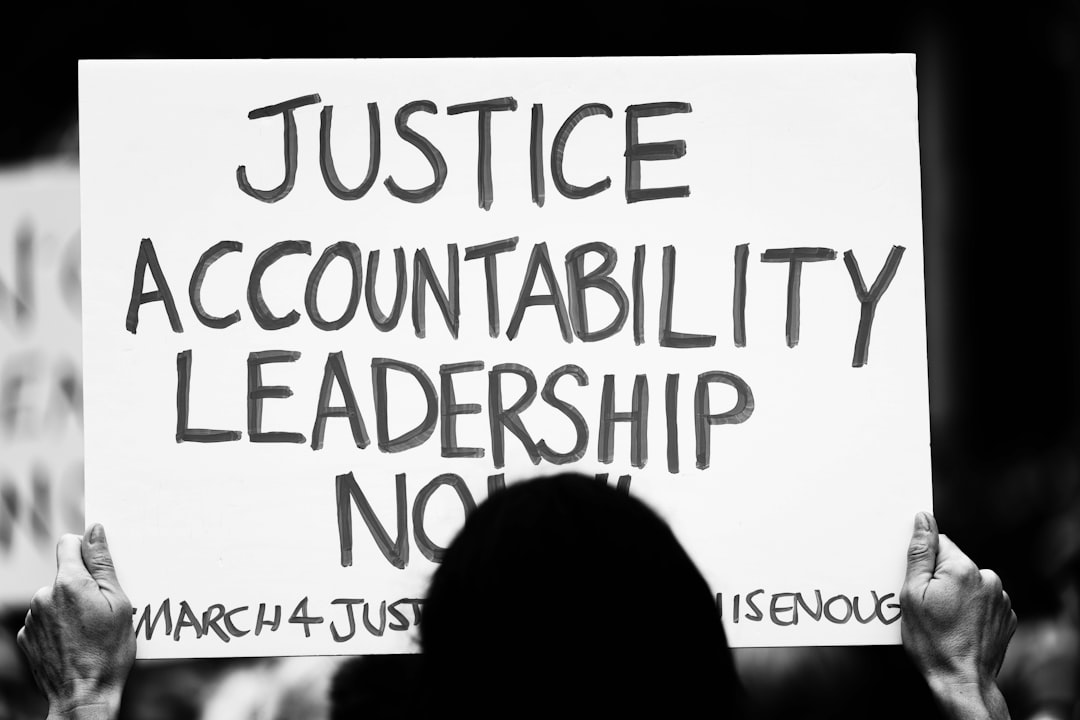
Crisis Moments Expose Leadership’s Core (Image Credits: Unsplash)
In the high-stakes arena of modern business, executives frequently champion “people first” as a guiding principle. This mantra promises employee well-being at the heart of organizational success. However, a fundamental insight endures: true values emerge not from polished statements, but from choices made amid crisis and constraint.
Crisis Moments Expose Leadership’s Core
Pressure acts as the ultimate litmus test for any leader’s proclaimed priorities. When revenues plummet or deadlines loom, decisions about staffing, resources, and strategy reveal what truly matters. Leaders who publicly emphasize employee welfare often pivot to cost-cutting measures that contradict their words.
This pattern repeats across industries. Commitments to work-life balance dissolve during crunch times, with extended hours becoming the norm. Such shifts erode trust, as teams witness the gap between rhetoric and reality firsthand.
The Pitfalls of Empty Declarations
Many organizations craft mission statements brimming with people-centric language. These documents adorn walls and websites, signaling a supportive culture. Yet, under duress, financial targets frequently override human considerations.
Employees sense this inconsistency quickly. Morale dips when leaders demand sacrifices from staff while protecting executive perks. Over time, this breeds cynicism, undermining productivity and retention efforts.
Markers of Authentic People-First Leadership
Genuine commitment shows through consistent behavior, even in tough spots. Leaders who mean what they say invest in training during slowdowns rather than slashing budgets indiscriminately. They communicate transparently about challenges, involving teams in solutions.
Consider these key indicators of real prioritization:
- Protecting employee roles through redeployment instead of abrupt terminations.
- Maintaining benefits and support programs amid economic headwinds.
- Sharing burdens equitably, from executives downward.
- Fostering open dialogue to address pressures collectively.
- Measuring success beyond pure financial metrics.
Organizations exhibiting these traits build resilience. Teams respond with loyalty and innovation, turning potential crises into opportunities.
Cultivating a Culture That Withstands Scrutiny
Shifting from lip service to lived values requires deliberate effort. Leaders must embed people-first principles into decision-making frameworks from the outset. Regular audits of policies under simulated stress scenarios help align actions with stated ideals.
Training programs focused on ethical leadership prove effective. They equip managers to balance stakeholder needs without compromising core commitments. Long-term, this approach yields sustainable growth, as engaged workforces drive superior results.
| Approach | Under Normal Times | Under Pressure |
|---|---|---|
| Rhetoric-Only | Strong statements | Cuts to staff/support |
| Authentic | Consistent support | Shared solutions |
Key Takeaways for Lasting Impact
- Values prove themselves in adversity – scrutinize actions over announcements.
- Build trust through transparency and equity in decision-making.
- Prioritize people consistently to foster resilient, high-performing teams.
Leadership’s true measure lies in those defining moments of strain. Organizations that align deeds with declarations not only retain talent but also thrive amid uncertainty. What steps can leaders take today to ensure their people-first stance holds firm? Share your thoughts in the comments.