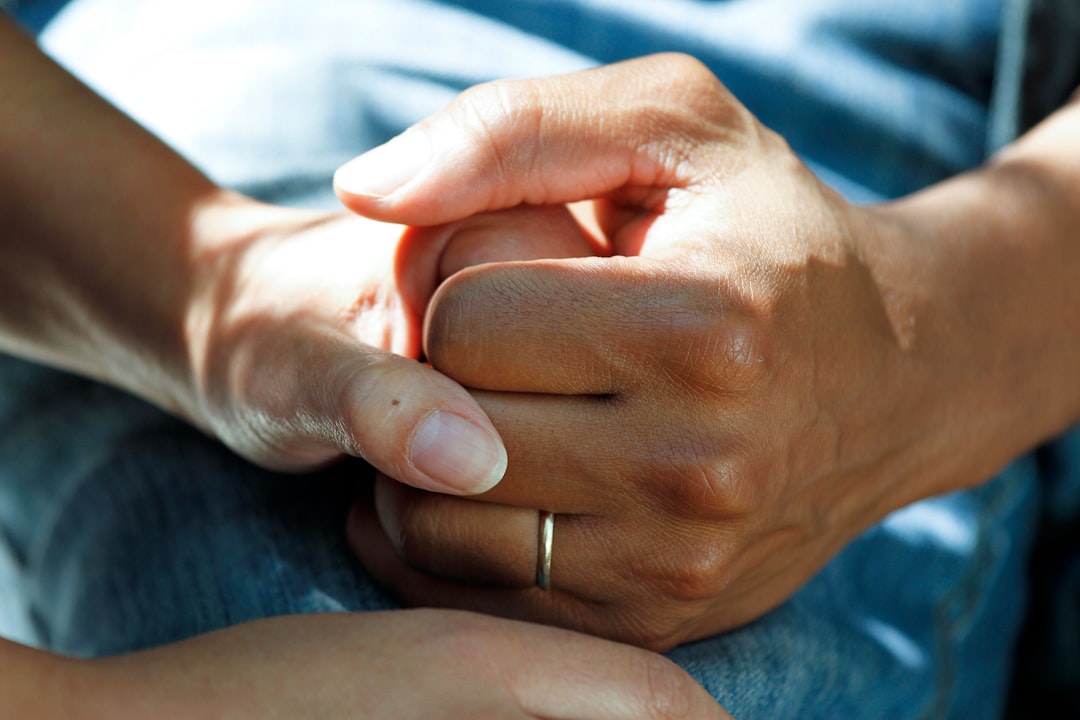
Elopement Strikes Fear into Caregivers’ Hearts (Image Credits: Unsplash)
A late-night disappearance exposed the limits of home caregiving for one couple grappling with Alzheimer’s disease.
Elopement Strikes Fear into Caregivers’ Hearts
Nearly 60 percent of people with dementia wander off at some point during their illness, and the consequences can prove dire if rescue efforts exceed 24 hours.[1]
Experts prefer terms like “elopement” over “wandering” to describe instances when patients leave secure areas such as their homes. This behavior escalates as dementia advances, often driven by disorientation or unmet needs. Geriatrician Dr. Marc Rothman noted that families tiptoe into crisis amid mounting caregiving demands. He described advanced home care as akin to operating a personal nursing home, fraught with challenges like managing medications, diets, and appointments.
Elizabeth Edgerly, senior director at the Alzheimer’s Association, explained that patients frequently depart with purpose in the moment. They might seek a version of home that no longer feels familiar or head out to long-retired jobs.
A Real-Life Ordeal Near Buffalo
Valerie Staats faced this nightmare when her wife, Shelley Schultz, vanished one autumn evening. Schultz, in her early 70s and battling severe Alzheimer’s, had settled for a nap after a tiring day. Staats, exhausted herself, dozed off in the car and awoke hours later to an empty house.
Panic set in as Staats searched frantically, her AirTag tracker failing to signal Schultz’s location. Police launched a widespread hunt that stretched into dawn. Officers eventually located Schultz just a block away, chilled but unharmed. Edgerly highlighted the stakes: prolonged absences heighten risks of injury, exposure, or fatal accidents.
Triggers That Prompt a Shift from Home Care
Incidents like Schultz’s elopement often coincide with other issues, including incontinence, paranoia, and aggression. Rothman observed these patterns push families toward facilities. Staats ramped up home security with additional sensors and locks post-incident, yet the strain persisted amid her own health struggles and household responsibilities.
Caregivers confront an unsustainable load, as Rothman emphasized the need to sustain self-care alongside constant vigilance. Such events underscore when home setups falter against advanced disease progression.
Memory Care Offers Purpose and Safety
Specialized memory care units provide locked environments and trained staff focused on enhancing life quality. Loren Shook, CEO of Silverado Memory Care, stressed engaging residents in meaningful tasks to curb problematic behaviors. Facilities across 10 states enable rediscovery of abilities like self-feeding or walking, often presumed lost.
- Purposeful activities, such as assisting with children’s homework for former teachers.
- Pet accommodations to foster comfort.
- Reduced instances of wandering and outbursts through structured engagement.
| Aspect | Home Care Challenges | Memory Care Advantages |
|---|---|---|
| Safety | Reliance on locks and trackers | Secure wings with monitoring |
| Activities | Limited by caregiver time | Daily purposeful programming |
| Cost | Indirect expenses build up | Starts at $10,000/month[1] |
Staats weighed these options, familiar with a nearby facility from prior visits. Though parting proved emotional, she anticipated reclaiming a spousal role beyond constant oversight.
Elopement reveals the fragile boundary between home devotion and professional intervention, urging caregivers to prioritize safety without delay. What experiences have shaped your caregiving journey? Share in the comments.
- Monitor for elopement risks as dementia progresses; 60% affected.[1]
- Purpose-driven activities in memory care reduce behaviors like wandering.
- Swift response in searches boosts survival odds dramatically.