

In astrology, the twelve zodiac signs fall into four distinct elements: fire, earth, air, and water. Each element carries unique personality traits and natural tendencies. These characteristics can guide major life decisions, like choosing the perfect retirement destination. Let’s explore where each zodiac element might thrive during their golden years.
Fire Signs: Warm Climates and Adventure

Fire signs – Aries, Leo, and Sagittarius – are passionate, exciting, and powerful. As temperatures rise in the Sun Belt, retirees are increasingly considering warmer climates, and fire signs naturally gravitate toward places with energy and excitement. International Living’s Annual Global Retirement Index judges the world’s top destinations for retirees, covering everything from climate to healthcare to cost of living. For fire signs, locations like Florida, Spain, or Costa Rica offer year-round sun and vibrant social scenes that match their dynamic nature.
According to a 2025 study by Seniorly, the most affordable states for retirees are determined by cost of living, personal income taxes, and Social Security payments. Fire signs seeking adventure without breaking the bank should consider destinations that balance warmth with affordability, keeping retirement savings intact while satisfying their need for stimulation.
Earth Signs: Stability and Practical Living

Earth signs – Taurus, Virgo, and Capricorn – are practical, grounded, and hardworking. These retirees prioritize security and tangible value. Hawaii ranks as the most expensive state to retire, with average annual expenditures reaching roughly one hundred and thirty thousand dollars, largely driven by steep prices for housing, groceries, and healthcare. Earth signs would prefer the opposite – states offering excellent value.
For these sensible souls, the Midwest or Southern states make perfect sense. South Carolina offers a mild climate year-round with low cost of living, particularly in housing, healthcare, and everyday expenses. Earth signs appreciate reliability, so locations with predictable weather patterns and established retirement communities suit them well. Think practical, not flashy.
Water Signs: Coastal Serenity and Emotional Connection

Water signs – Cancer, Scorpio, and Pisces – are all about emotions and feelings. A 2024 U.S. Census Bureau report shows that over 38 percent of new retirees still relocate to coastal states, citing lifestyle, community amenities, and mental well-being benefits. Water signs need proximity to the ocean or lakes to feel whole.
Research supports their intuition. A study published in The Lancet Healthy Longevity in 2023 found that moderate sunlight exposure improves mood stability and vitamin D levels in retirees. Coastal North Carolina, Portugal’s Algarve region, or even Michigan’s Great Lakes offer the emotional depth and natural beauty water signs crave. The sound of waves is therapy for these sensitive souls.
Air Signs: Intellectual Hubs and Cultural Centers

Air signs – Gemini, Libra, and Aquarius – are motivated by intellectual pursuits, seeking to satisfy their curiosity, socialize, and connect with others. Retirement for air signs means continued mental stimulation. They thrive in cities with museums, universities, and thriving arts scenes rather than quiet rural settings.
New Jersey’s extensive transportation network and proximity to major cities like Philadelphia and New York City provides access to world-class cultural attractions. Air signs also flourish in European cities like Vienna or Barcelona, where history and contemporary culture intersect. Honestly, boredom is their biggest fear, so walkable neighborhoods with coffee shops and bookstores are essential.
Fire Element: Tax-Friendly Warm States

Fire signs often overlook financial practicalities in favor of excitement. That’s a mistake. Florida does not impose a state income tax, which includes no tax on Social Security benefits, pensions, or retirement accounts. Texas offers similar advantages without winter weather.
Florida had about 11 percent of inbound retirement moves in 2024, with metro areas like Miami and Fort Lauderdale among the most popular destinations, offering warm environment, no state income taxes, and diverse retirement communities. Fire signs can maintain their active lifestyles while keeping more money in their pockets. Smart planning doesn’t have to feel boring.
Earth Element: Rural and Nature-Centric Regions

OECD data from 2023 indicates a 17 percent increase in retirees moving to low-density regions, driven by demand for tranquility, green spaces, and lower property prices. Earth signs feel this pull deeply. They want gardens, hiking trails, and communities where neighbors actually know each other.
Wyoming maintains a relatively cool, semi-arid climate with a mean elevation of 6,700 feet, offering summer highs between 75 and 89 degrees across most of the state. Pennsylvania’s smaller cities also attract earth signs looking for four distinct seasons and affordable housing. These locations offer the grounded, tangible lifestyle earth signs need to feel fulfilled.
Water Element: Healthcare Access Near Water

Water signs prioritize emotional well-being, yet they can’t ignore practical healthcare needs. States with high healthcare rankings for seniors include Massachusetts, Minnesota, and Connecticut. Locations near water with quality medical facilities represent the ideal balance.
Portugal is second only to France in the index’s healthcare category and also scores highly on climate and development. Water signs retiring abroad should consider Portugal’s coastal towns, where they can access excellent healthcare while living near the Atlantic. Combining emotional needs with practical realities creates sustainable retirement satisfaction.
Air Element: Walkable Urban Environments
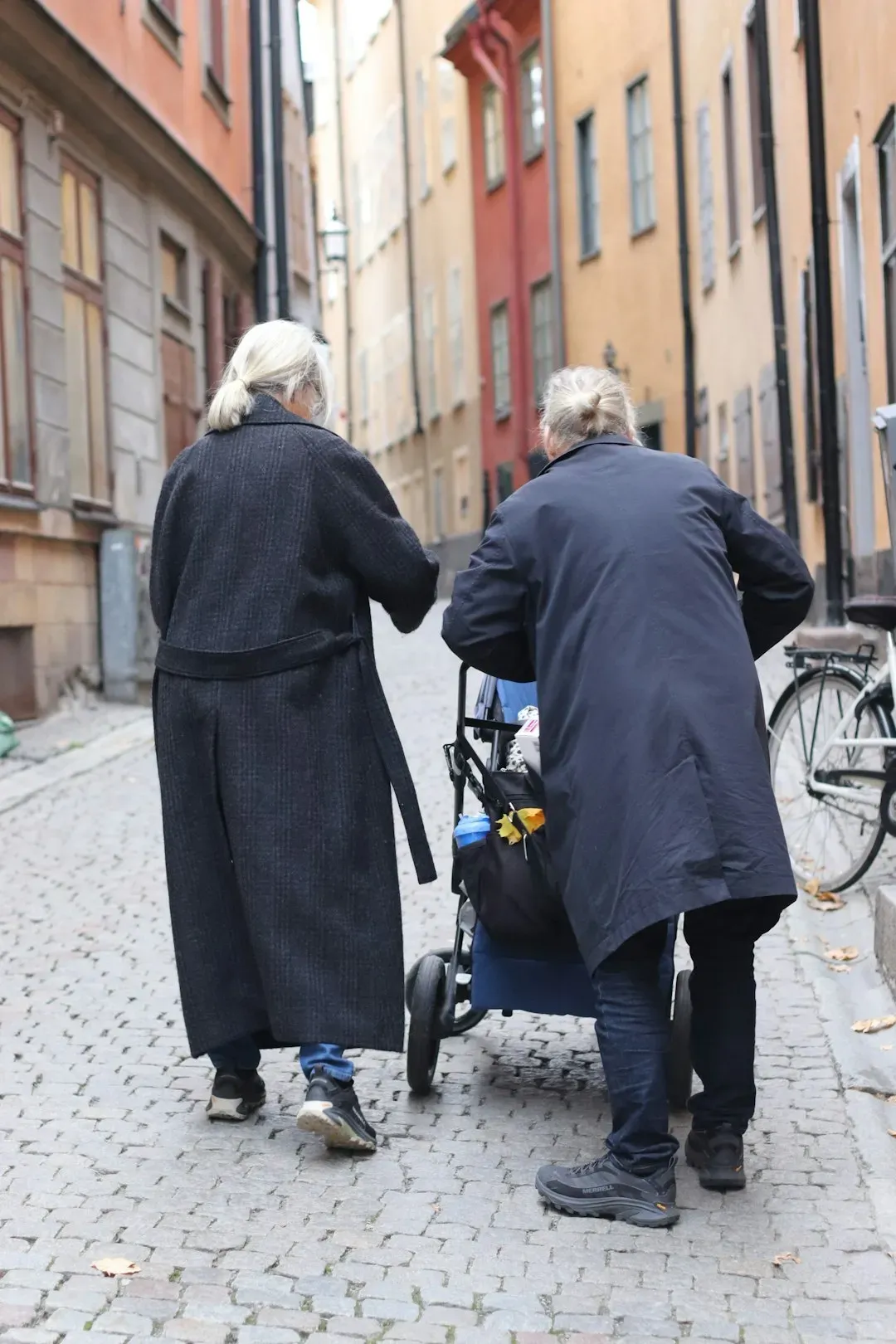
A 2024 Harvard School of Public Health study linked walkable communities to reduced cardiovascular risk and increased mobility in adults aged 60 and above. Air signs benefit doubly from walkability – it supports physical health while facilitating the social connections they desperately need.
A 2023 International Transport Forum study concluded that retirees in transit-connected regions maintain independence longer and delay assisted-living needs by an average of three years. Cities like Portland, Amsterdam, or Copenhagen allow air signs to age gracefully without depending on cars. Independence matters enormously to this element.
Mixed Elements: International Retirement Destinations

Some retirees have strong placements in multiple elements, creating complex needs. Portugal consistently ranks as one of the top places to retire, offering stunning environmental diversity, fresh affordable food, universal healthcare, and a climate ranging from sun-drenched coasts to rolling green hills. This variety accommodates different elemental preferences within one country.
Retirees relocating internationally save an average of 30 to 40 percent annually by choosing countries with lower housing and healthcare costs according to Numbeo’s 2024 Cost of Living Index. Thailand, Mexico, and Greece offer similarly diverse environments. Let’s be real – moving abroad requires courage, yet the potential rewards span financial savings, climate variety, and cultural richness.
Political Stability and Long-Term Security

The Global Peace Index 2024 shows retirees favor countries with stable governance, as economic volatility directly affects pensions, healthcare funding, and property rights. Every element needs security, though they prioritize different aspects. Fire signs worry about restricting their freedom, earth signs about property rights, water signs about healthcare continuity, and air signs about freedom of expression.
The best retirement destinations balance affordability, taxes, and healthcare access with lifestyle preferences, with states such as Florida and Wyoming offering both tax advantages and strong retirement savings trends. Consider how political and economic stability in your chosen location protects what matters most to your elemental nature. Retirement spans decades – choose destinations built to last.