
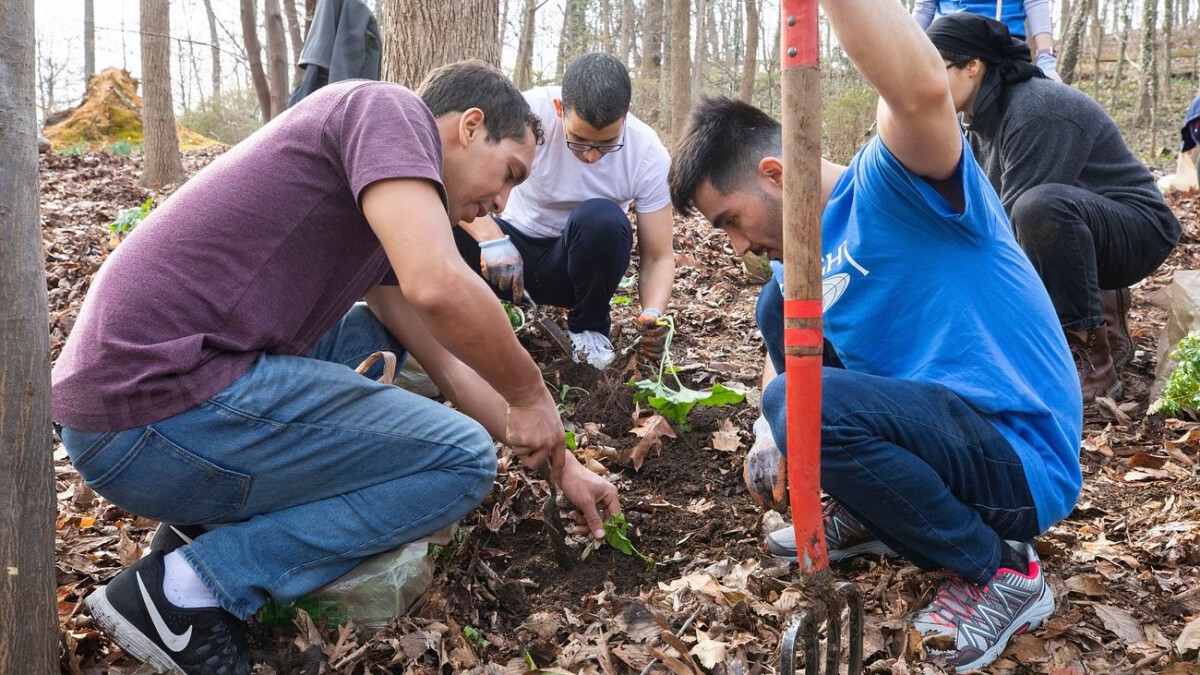

When you think of American generosity, you might picture Thanksgiving food drives or crowdfunding campaigns. Those count, for sure. What’s harder to measure is the everyday neighborliness that doesn’t make headlines: the unpaid babysitting, the shoveled driveway, the loaned tools, the check written to a local nonprofit. These actions together paint a picture of which states really have the most generous neighbors.
Here’s the thing. Generosity isn’t just about opening your wallet. It’s also about rolling up your sleeves. Some states excel at formal volunteering through organizations, others lead in informal neighbor-to-neighbor helping, and a few manage to do both while also giving financially. To figure out which states belong at the top, we combined the latest data on all three behaviors using verified sources from AmeriCorps, the U.S. Census Bureau, WalletHub’s charitable state comparisons, and IRS records on giving.
How We Built This Ranking
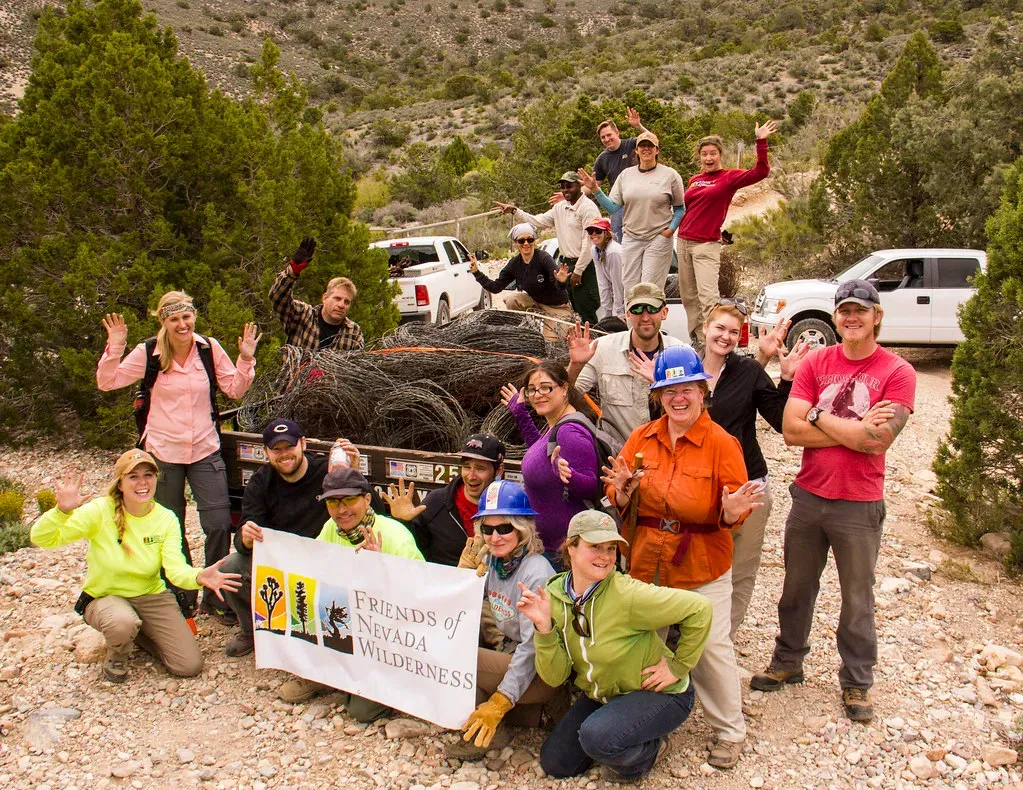
Let’s be real about methodology. We defined “generous neighbors” as a composite of three core signals: formal volunteering (donating time through an organization), informal helping (neighbor-to-neighbor assistance like running errands or watching kids), and charitable financial giving.
The national formal volunteering rate increased 5.1 percentage points between 2022 and 2023, representing a growth rate of more than 22 percent in just two years, according to AmeriCorps’ November 2024 press release. In 2023, Utah had the highest rate of residents engaged in formal volunteering at 46.6 percent, Vermont had the second highest rate with 40.5 percent of residents, and Minnesota and Nebraska tied for third at 40.3 percent, as reported by USAFacts in December 2024.
For informal helping, Utahans are also the most likely to informally help their neighbors with their 2023 rate of informal volunteers at 68.2 percent, Montanans rank second at 68.0 percent, and Coloradans were third at 67.4 percent. On the financial side, U.S. donors in 2024 gave over $592 billion to charity, with 66 percent of the funds coming directly from individuals, according to Giving USA.
WalletHub’s 2024 and 2025 state charitable rankings provided crucial cross-verification, combining volunteering rates, share of income donated, and availability of charities per capita. We weighted informal helping and formal volunteering equally, with a secondary consideration for financial generosity where data was available. States that performed strongly across at least two of these three dimensions made the list.
1. Utah
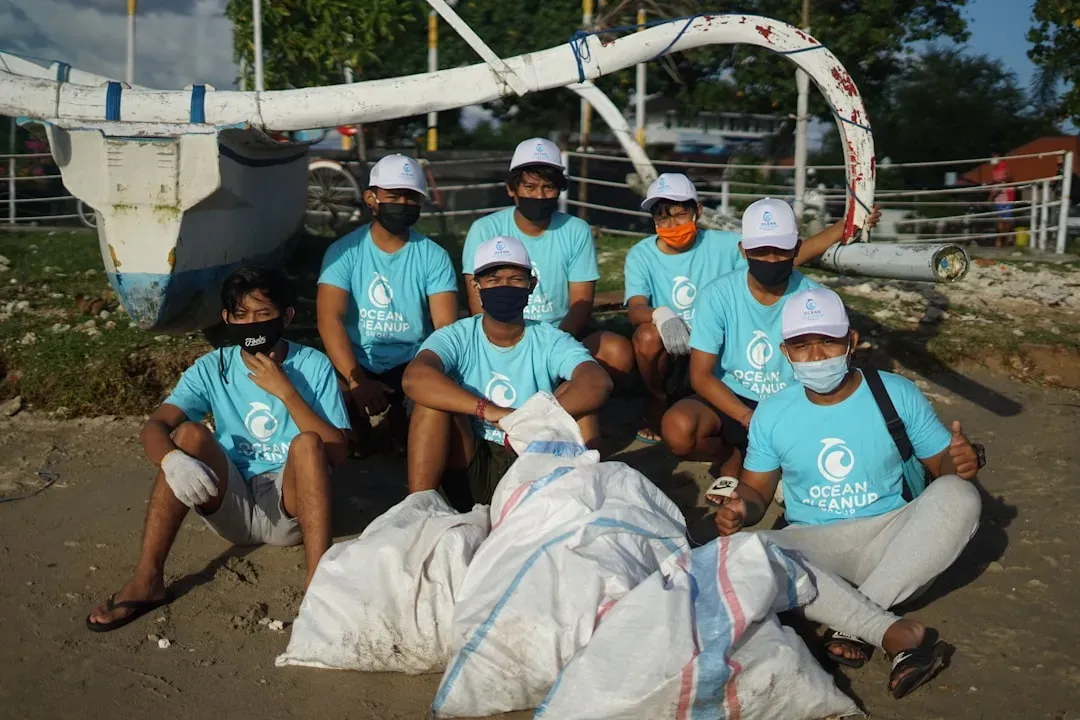
Utah claims the top spot without much debate. In 2023, Utah had the highest rate of residents engaged in formal volunteering at 46.6 percent, meaning nearly half the state volunteers through organizations. Utahans are also the most likely to informally help their neighbors with their 2023 rate of informal volunteers at 68.2 percent. On top of that, Utah boasts the highest volunteer rate and the most volunteer hours per capita at over 46 hours, per WalletHub’s 2024 analysis. The state’s culture of service, deeply rooted in religious community structures, translates into both organized volunteering and spontaneous acts of neighborliness. WalletHub also found Utah residents donate nearly four percent of their adjusted gross income to charity, among the highest percentages nationwide. Whether it’s formal or informal, Utah’s neighbors show up.
2. Vermont
Vermont earns its place through exceptional formal volunteering combined with a strong sense of community reciprocity. Vermont had the second highest rate with 40.5 percent of residents formally volunteering in 2023. That’s a remarkable figure for a state with fewer large cities and corporate volunteer programs than coastal powerhouses. Vermont’s small-town character fosters the kind of trust and connection that makes people more likely to pitch in. While state-level informal helping data specific to Vermont wasn’t as widely reported as for some Western states, its consistently high ranking in multiple WalletHub charitable comparisons confirms that Vermonters don’t just volunteer formally – they give back in quieter ways, too. The Green Mountain State punches well above its weight.
3. Montana
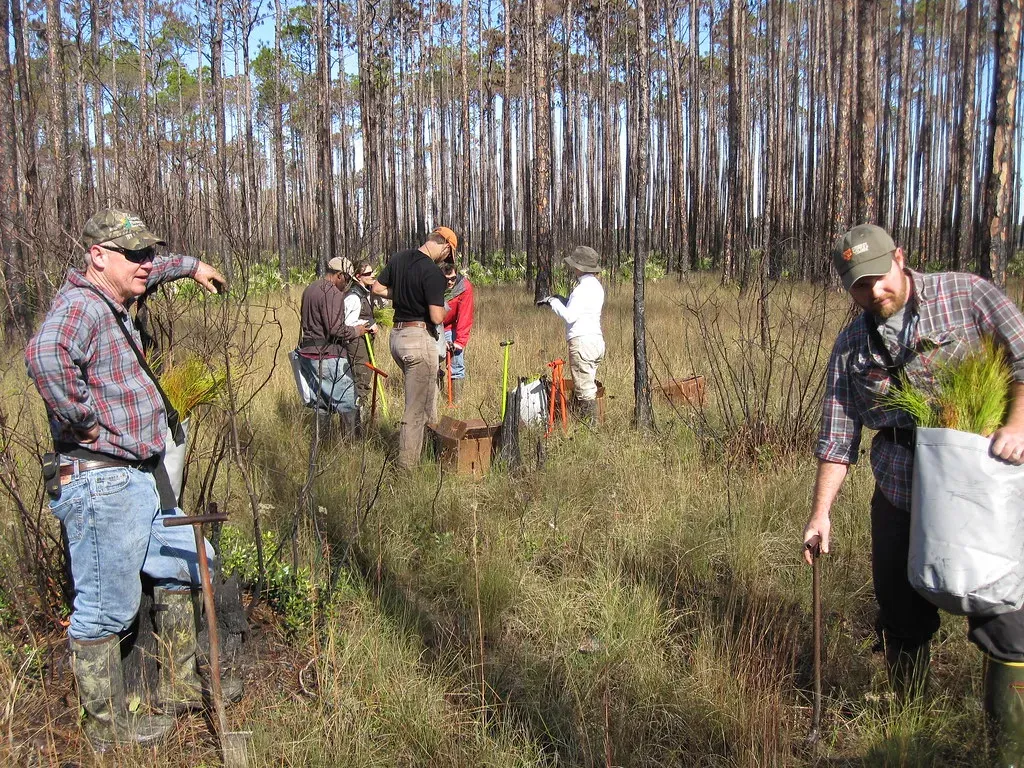
Montana takes third thanks to its dominance in informal neighbor-helping. Montanans rank second at 68.0 percent for informal helping, just behind Utah. Montana had 68.8 percent in the highest rates of informal helping in 2021, which includes helping others outside of an organizational context like doing favors for neighbors. In rural Montana, where distances are vast and services sparse, neighbors rely on each other in ways that urban dwellers might not fully appreciate. You help haul hay, jumpstart a car in winter, or watch someone’s kids because you know you’ll need the same someday. Montana also ranked eighth for formal volunteering in 2023 at 37.2 percent, a respectable figure that rounds out its profile. This is a state where generosity is practical, immediate, and woven into daily survival.
4. Minnesota
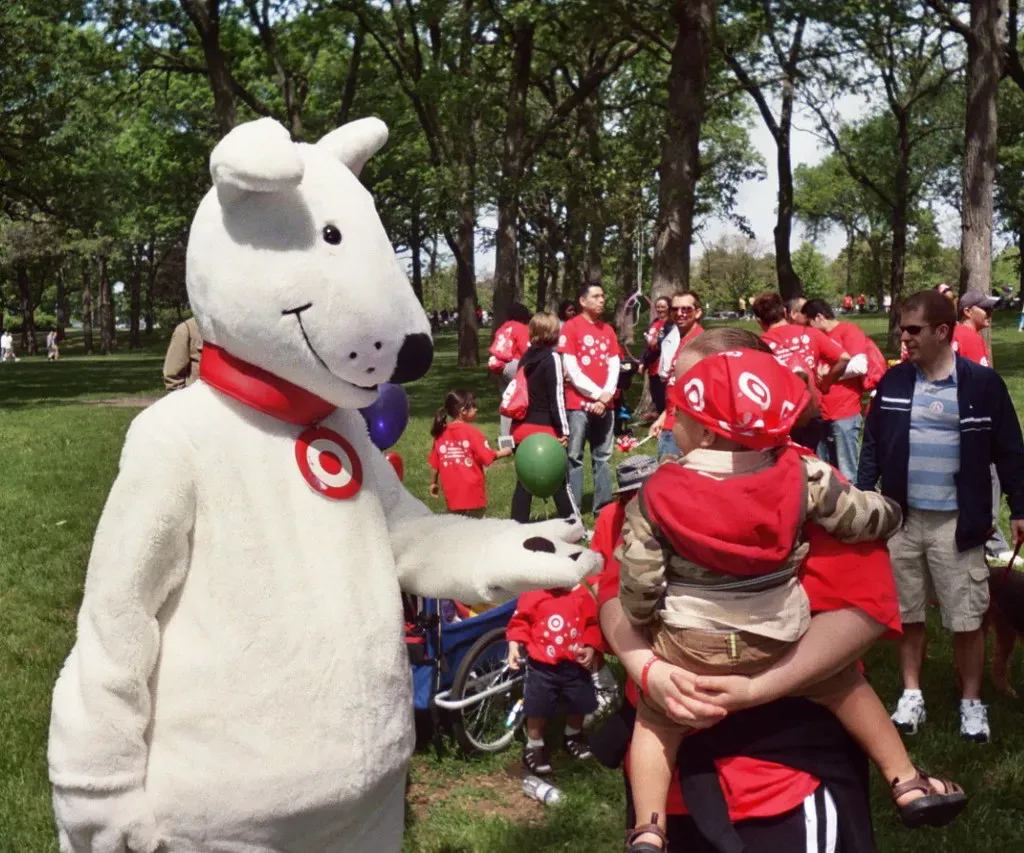
Minnesota’s reputation for “Minnesota nice” isn’t just stereotype. Minnesota tied for third at 40.3 percent for formal volunteering in 2023. More than 1.8 million people volunteered in 2023, according to a November 2024 report from the Star Tribune. WalletHub ranked Minnesota third overall in its most charitable states analysis for 2024, citing strong performance in both volunteering and financial giving. The state has robust infrastructure for volunteering, from food banks to youth mentoring programs, and its residents participate at rates that rival much smaller states. Informal helping data wasn’t as prominently broken out for Minnesota, which keeps it from the very top. Still, the combination of widespread formal engagement and a civic culture that prizes collective action makes Minnesota a model of neighborly generosity.
5. Nebraska
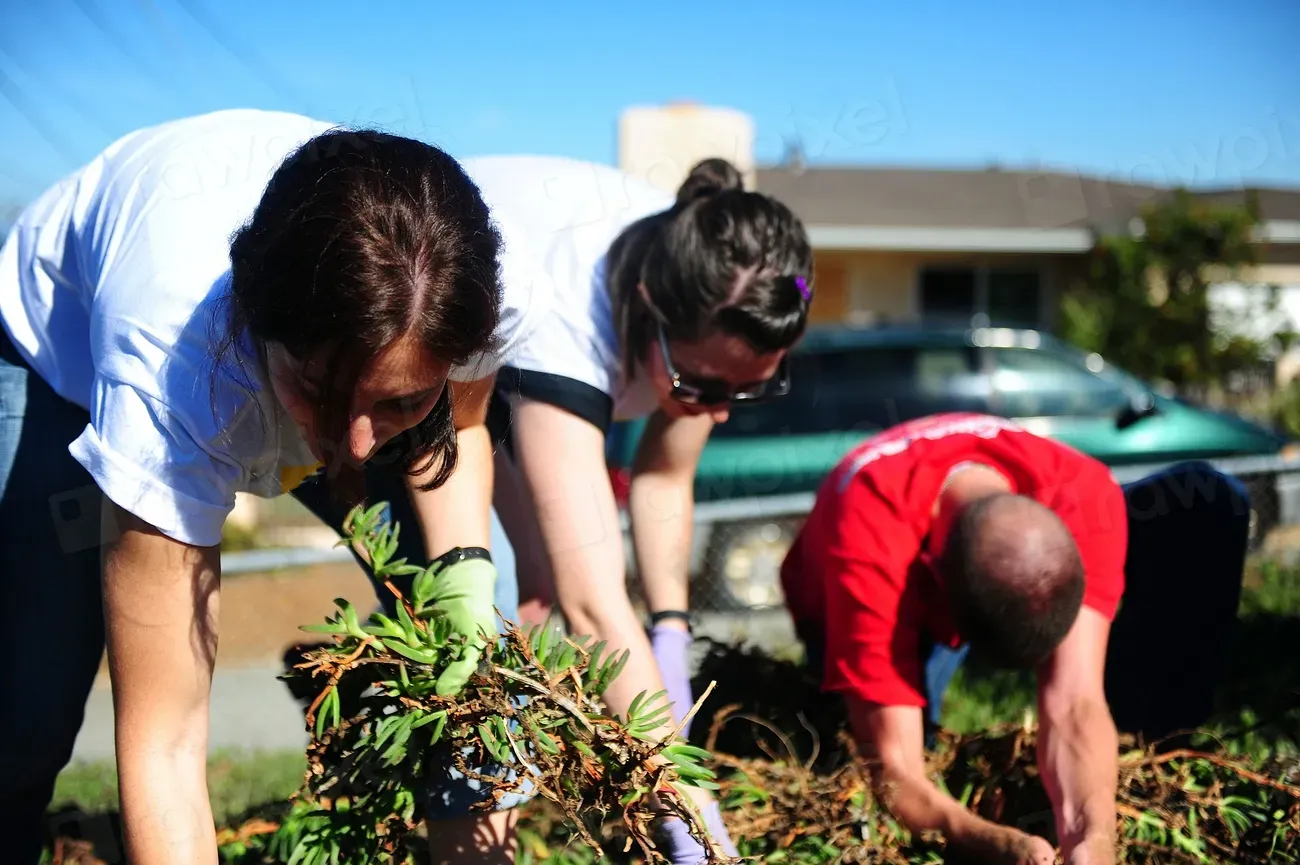
Nebraska ties Minnesota for formal volunteering at 40.3 percent in 2023, and its informal helping legacy is even more impressive. Nebraska had 66.4 percent with the highest rates of informal helping, which includes helping others outside of an organizational context like doing favors for neighbors, according to 2021 Census data. That informal helping rate places Nebraska second nationally in older reporting cycles and suggests a deeply ingrained culture of mutual support. Nebraska’s smaller population and tight-knit communities create conditions where people know their neighbors by name and are more likely to lend a hand without being asked. WalletHub’s 2024 ranking placed Nebraska in the top 20 for overall charitable behavior. This is a state where generosity isn’t performative; it’s just how things work.
6. Kansas
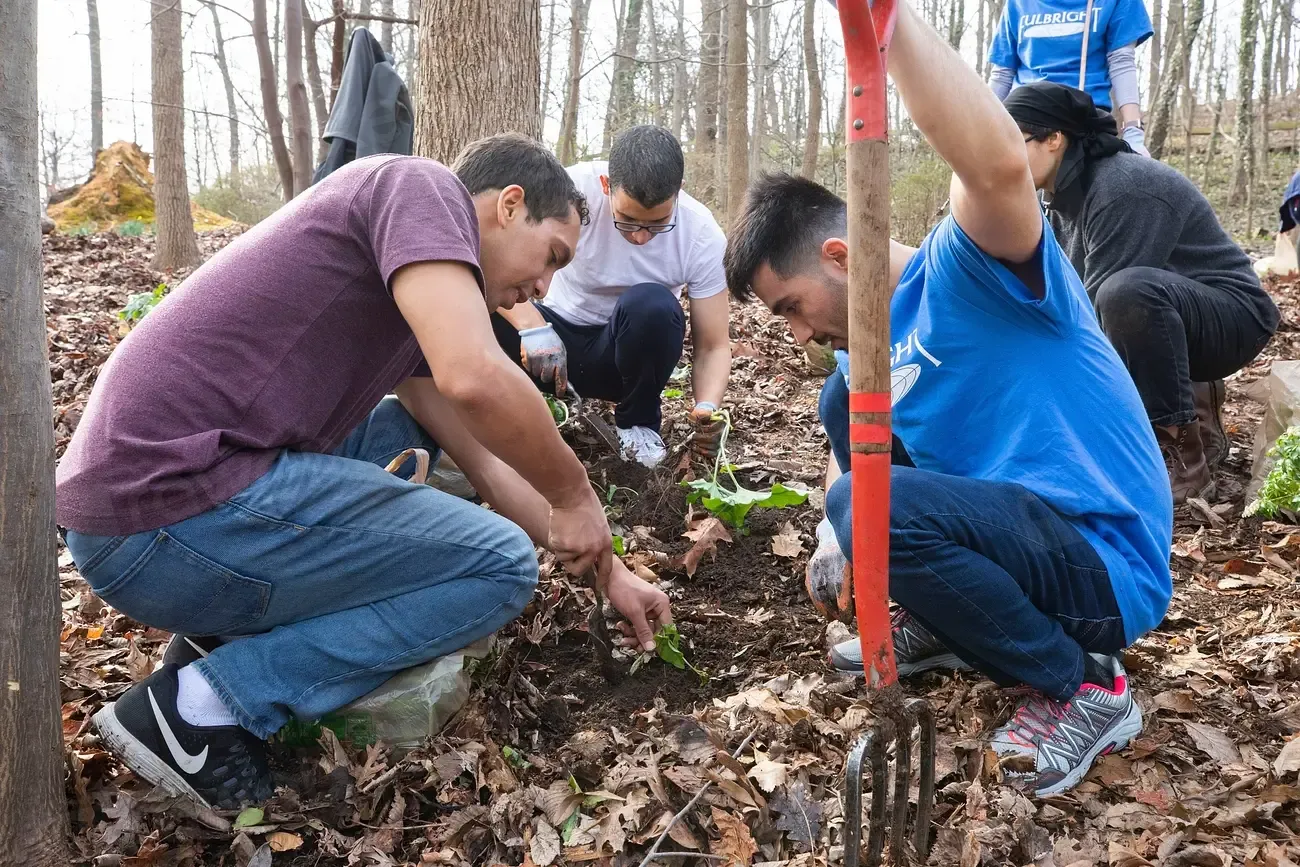
Kansas lands at sixth with a formal volunteering rate of 39.6 percent in 2023, placing it fifth nationally. That’s a quietly strong performance for a Great Plains state without the outsized religious infrastructure of Utah or the progressive civic culture of Vermont. Kansas benefits from a similar dynamic to Nebraska: smaller cities, agricultural traditions, and a social fabric that still values face-to-face community ties. Informal helping rates weren’t as prominently reported at the state level for Kansas, which limits our full picture. However, its top-five formal volunteering placement and steady presence in mid-tier charitable rankings from WalletHub confirm that Kansans are actively engaged in helping others. Honestly, the Midwest’s generosity often flies under the radar, and Kansas is a prime example.
7. South Dakota
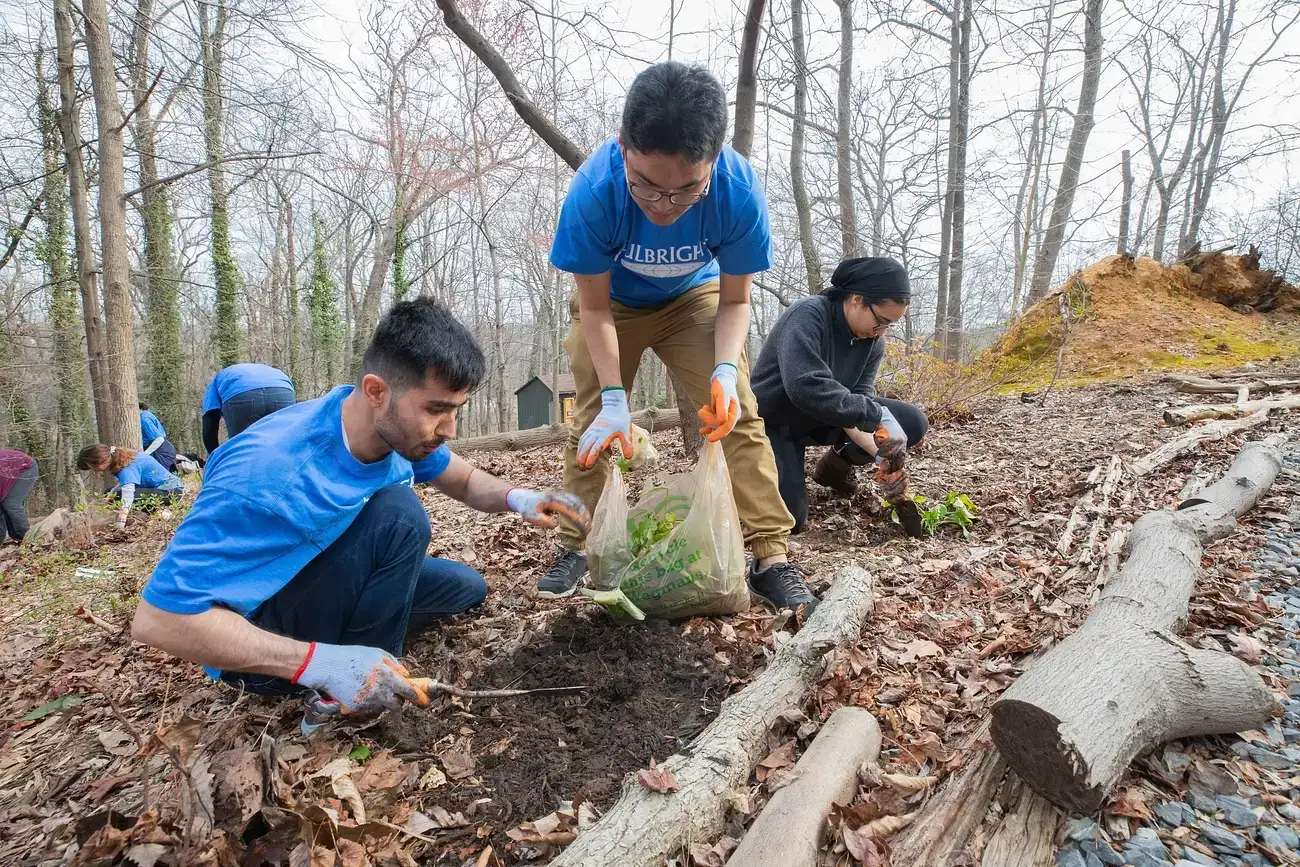
South Dakota checks in at seventh with a 2023 formal volunteering rate of 37.8 percent, placing it sixth in the nation. For a state with fewer than a million residents, that’s an outsized contribution. South Dakota shares many traits with its northern neighbor: wide-open spaces, agricultural communities, and a cultural expectation that you help out when someone needs it. Informal helping data wasn’t broken out for South Dakota in the most recent national releases, so we’re relying primarily on its strong formal volunteering numbers. WalletHub’s charitable rankings have placed South Dakota in the middle tier, suggesting it performs well but doesn’t dominate financial giving the way Utah or Wyoming does. Still, nearly four in ten residents volunteering formally is nothing to shrug at.
8. Colorado
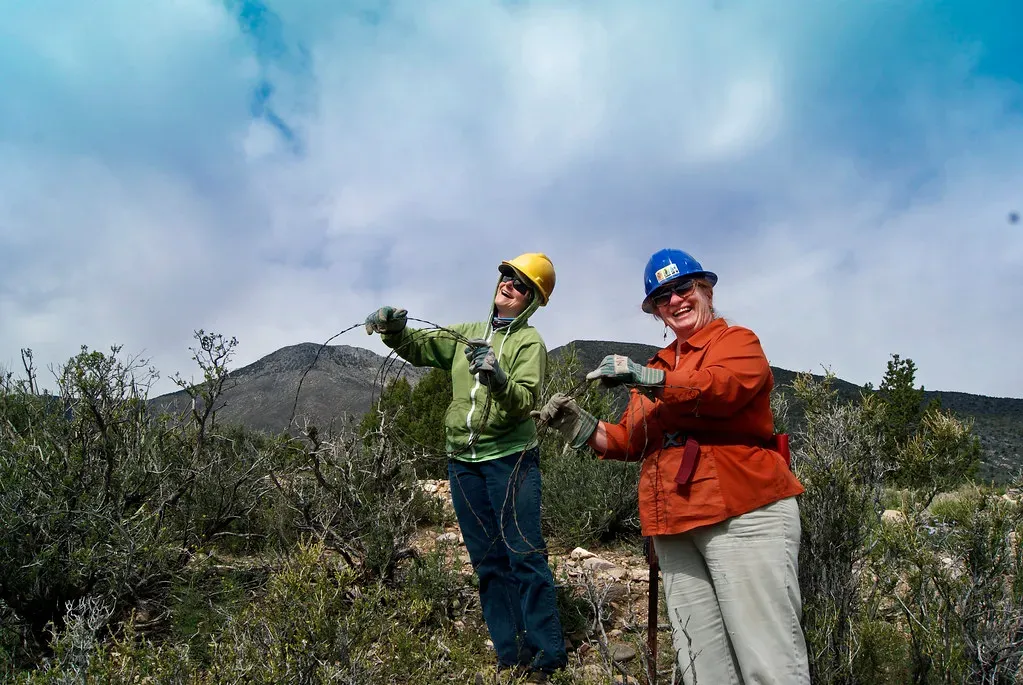
Colorado ranks eighth thanks to a combination of high informal helping and solid formal volunteering. Coloradans were third at 67.4 percent for informal helping in 2023, an exceptional figure that places Colorado among the very best for neighbor-to-neighbor assistance. The state’s outdoor culture, newcomer influx, and urban-rural mix create interesting dynamics: people help each other on the trail, in mountain towns, and in growing suburbs. Colorado’s formal volunteering rate in 2023 was lower than the top-tier states, but WalletHub ranked it 13th overall for charitable behavior in 2024, citing strong performance in both time and money donated. Colorado’s generosity feels tied to its sense of adventure and community self-reliance. You pitch in because that’s what the person next to you on the ski lift would do.
9. Wyoming
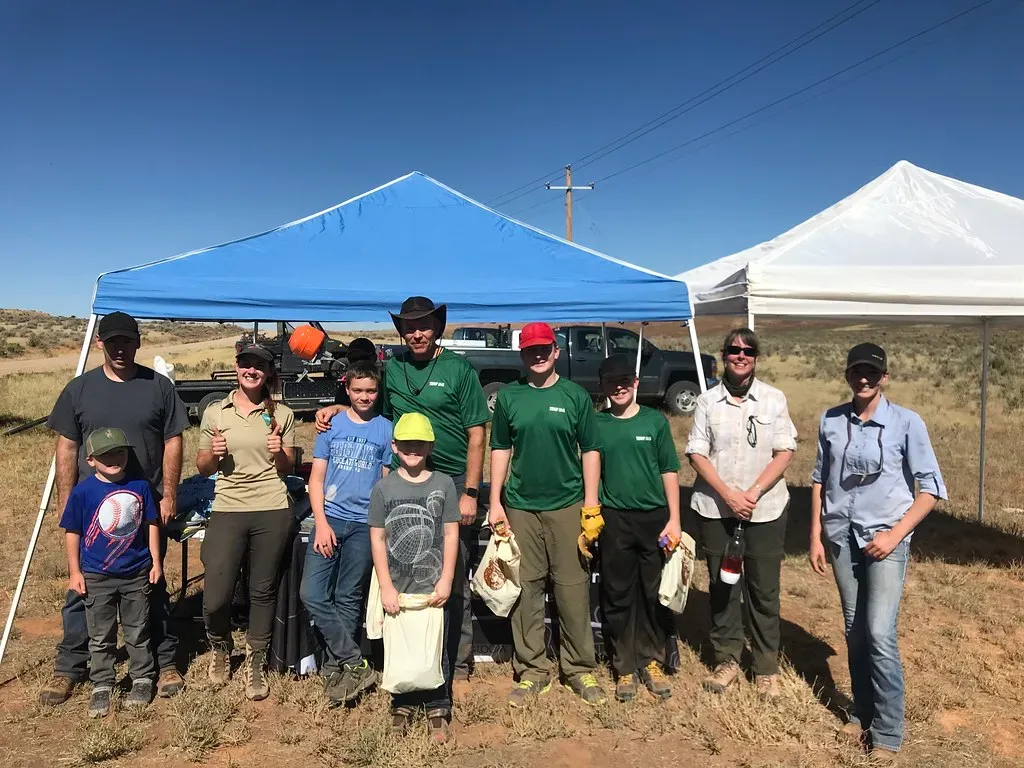
Wyoming might surprise you at ninth, given that WalletHub crowned it the most charitable state overall in its 2025 ranking. So why not higher here? Because WalletHub’s methodology weighted financial giving heavily, and residents of Wyoming donate nearly 4 percent of their adjusted gross income on average, the highest percentage in the country. Wyoming also had the second-highest formal volunteering rate in 2021 at 39.2 percent, according to earlier Census data. However, more recent 2023 state-level volunteering data placed Wyoming outside the top ten for formal rates, and informal helping figures weren’t as prominently featured for the state. Wyoming’s small population and strong financial giving are impressive, and its earlier volunteering dominance was real. It earns a spot on this list, though the latest neighbor-helping metrics suggest other states have pulled slightly ahead.
10. Connecticut
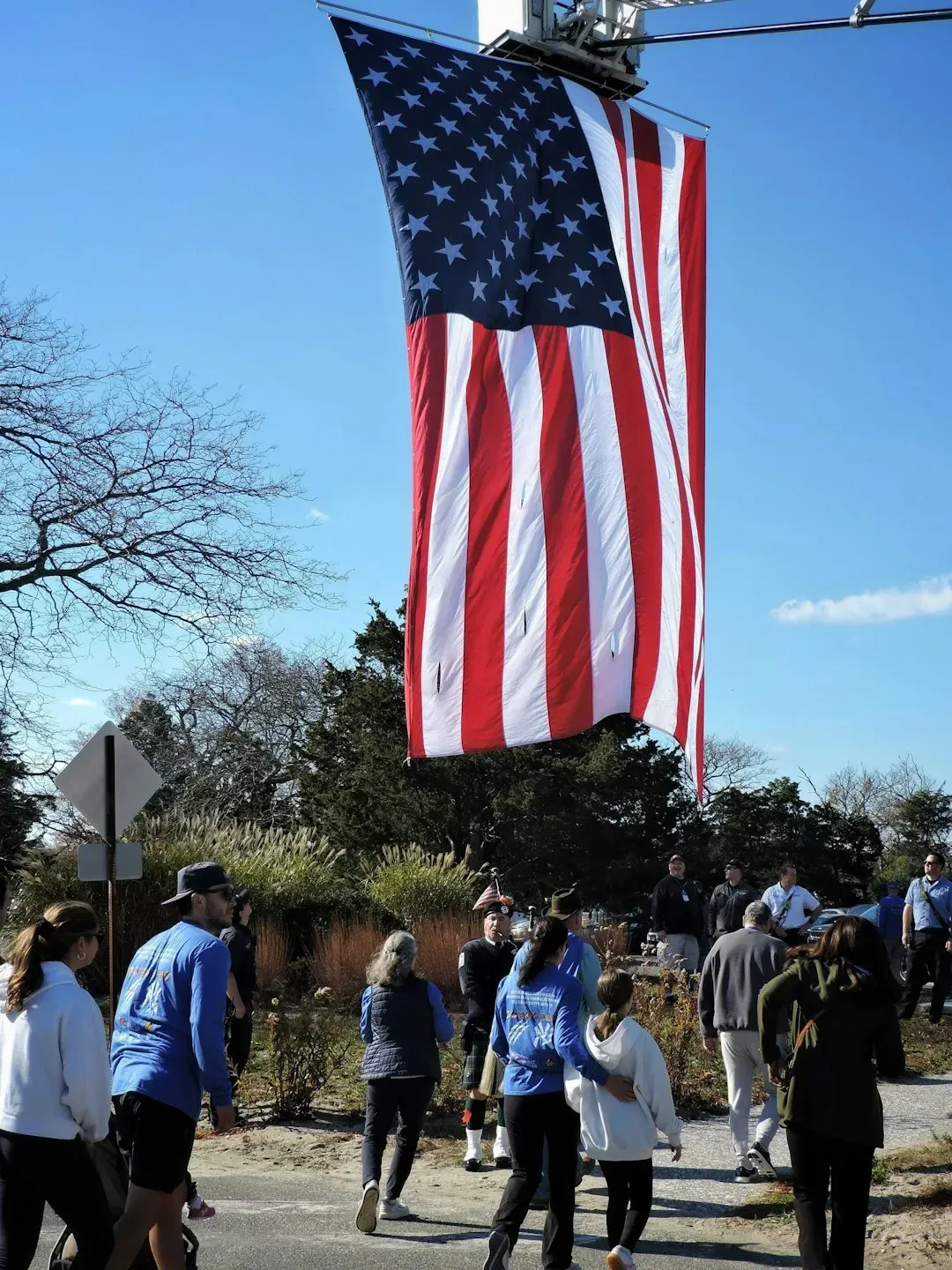
Connecticut rounds out the top ten with a formal volunteering rate of 37.4 percent in 2023, placing it seventh nationally. That’s a strong showing for a densely populated Northeastern state where anonymity is easier than in rural communities. Connecticut benefits from a well-educated population, high household incomes, and a robust nonprofit sector that channels volunteer energy effectively. Informal helping data wasn’t broken out for Connecticut, which keeps it from climbing higher. WalletHub placed Connecticut in the mid-teens for overall charitable behavior, indicating solid but not dominant financial giving. Connecticut’s generosity feels more institutionalized – think hospital volunteers, tutoring programs, and conservation efforts – than the spontaneous neighborliness of Montana or Nebraska. Still, more than one in three residents volunteering formally is a meaningful commitment.
A Note on Limitations

No ranking is perfect, and this one has clear boundaries. Charitable deduction data from the IRS captures only itemizers, missing millions of non-itemizing donors who give smaller amounts. Informal helping is self-reported and undercounts acts that people don’t think to mention. Formal volunteering data comes from the Census Bureau’s biennial survey, so it lags behind real-time trends. Some states with strong giving cultures, like Maryland and Delaware, didn’t crack the top ten here because their informal helping rates weren’t as prominently reported, even though WalletHub ranked them highly for financial generosity.
We also didn’t account for population size or wealth, which means richer states might give more dollars but lower percentages of income. Finally, “neighborliness” is a cultural construct that doesn’t always show up in surveys. Some communities help in ways that aren’t easily quantified.
These rankings reflect the best available data from 2023 through 2025, synthesized to highlight states where people give time, help neighbors, and donate money at exceptional rates. Which state surprised you most?


!['Paradise' Kills Off [SPOILER] In Shocking Episode 4 Moment, Star Speaks Out on Exit](https://everyday-states.com/wp-content/uploads/2026/03/1772529366163_paradise-death.jpeg)