
1. Utah: The Volunteer Champion
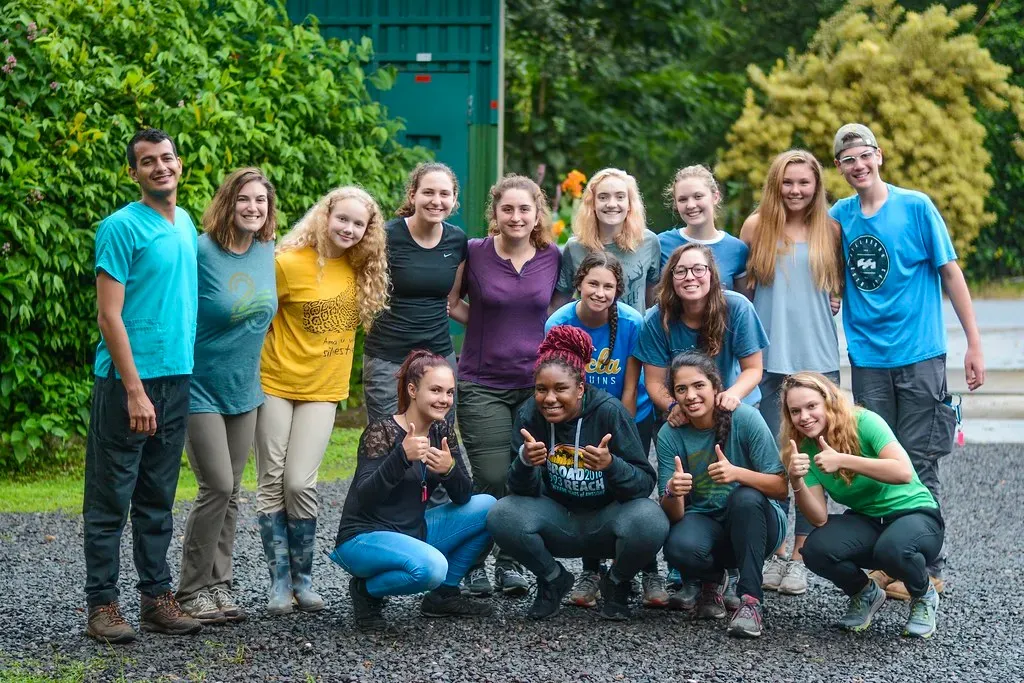
Utah ranks as the second most charitable state with the highest volunteer rate at roughly 47% and the most volunteer hours per capita at over 46 hours. What makes this even more impressive is how Utahns extend their generosity beyond organized volunteering. Over 68% of the population helped neighbors with tasks like house sitting, watching children or lending tools at least once in the past year. This culture of neighbor-to-neighbor support shows up in financial giving too, as families donate around 3.5% of their adjusted gross income to charity on average.
2. Minnesota: Community Engagement at Its Finest
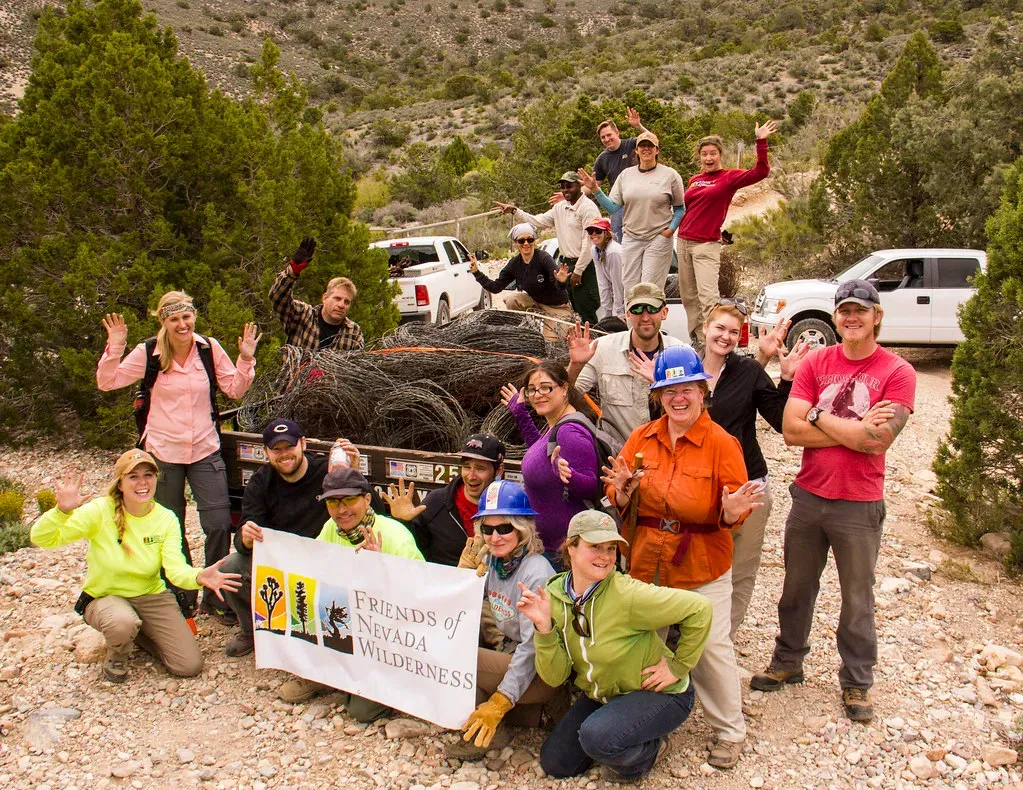
Over 1.8 million formal volunteers in Minnesota contributed more than 110 million hours of service through organizations, with 40.3 percent of residents formally volunteering. The neighborly spirit extends beyond formal structures in remarkable ways. Roughly 63.4 percent of residents informally helped others by exchanging favors with their neighbors. These numbers reveal a state where helping out your neighbor is simply part of everyday life, creating a tight social fabric that benefits everyone.
3. Iowa: Masters of Informal Neighborly Support
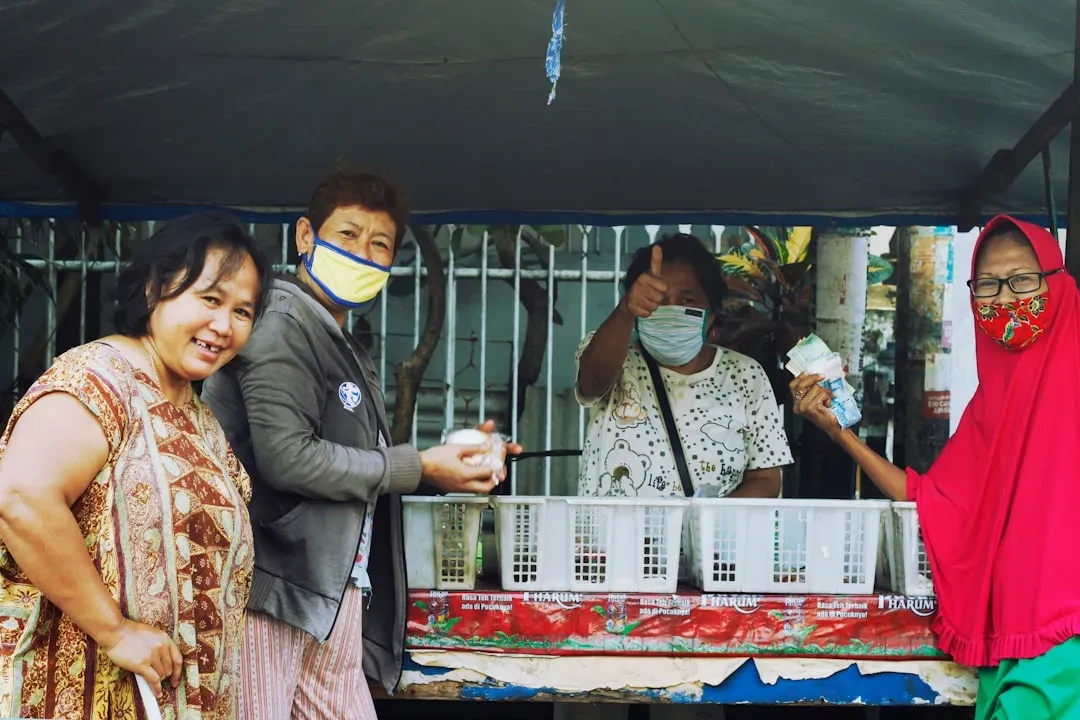
Iowa stands out with 63.3 percent of residents informally helping others by exchanging favors with their neighbors. This means if you live in Iowa, there’s a strong chance your neighbor will help you move furniture or watch your kids when you need it. Over a third of residents formally volunteer through organizations as well. The state demonstrates that generosity thrives in communities where people genuinely know and care about each other, not just in urban centers but throughout the rural heartland.
4. Wyoming: Small Population, Enormous Heart
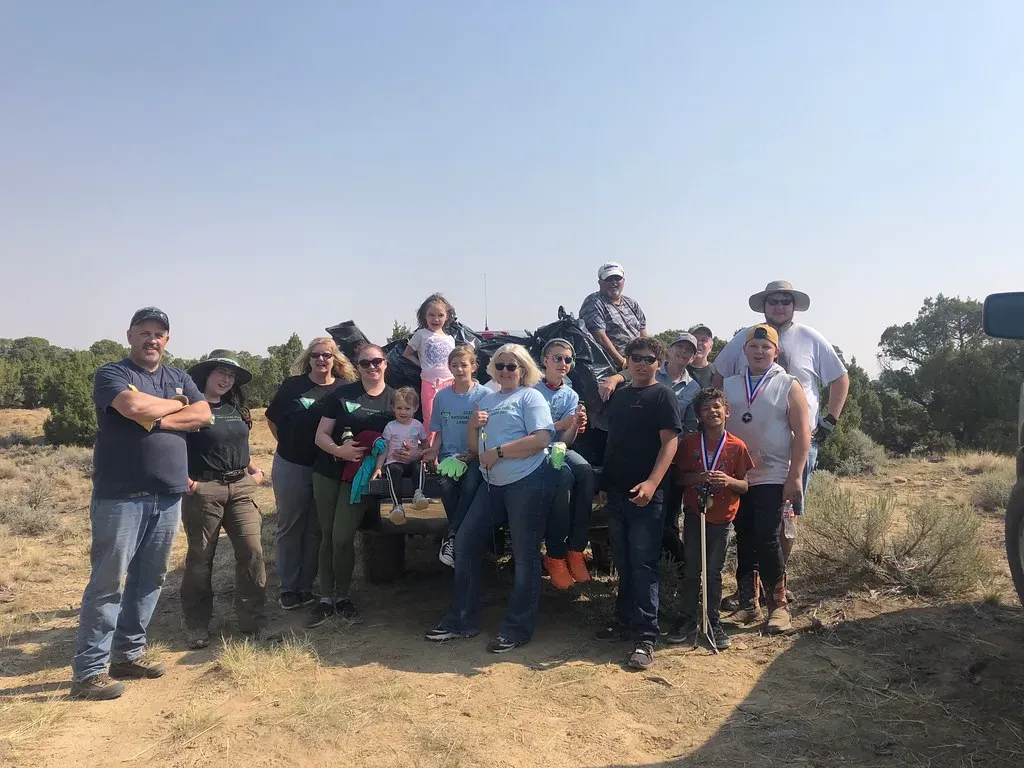
Wyoming residents spend an average of 33 hours per year volunteering with roughly 39% of residents volunteering. It’s not just time they’re giving either. They donate nearly 4% of their adjusted gross income on average, the second highest percentage in the country. For a state with one of the smallest populations in America, these numbers show that generosity isn’t about how many people you have but about the values your community holds dear.
5. Nebraska: Civic Engagement Powerhouse
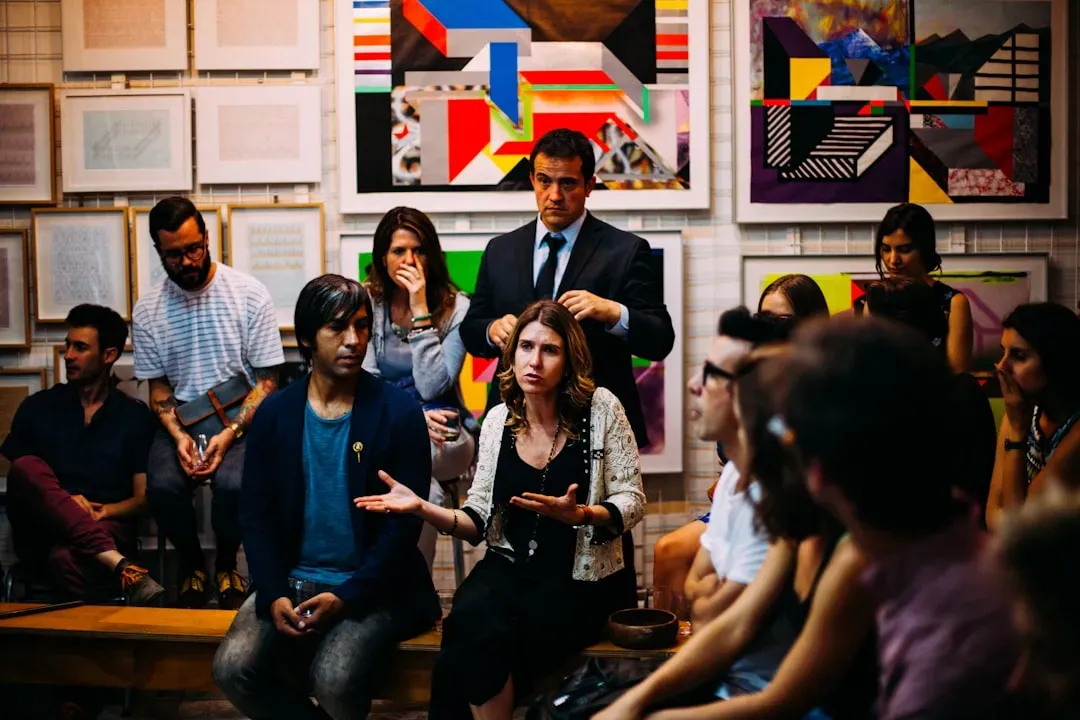
Nebraska residents demonstrate strong community connections through high levels of civic participation and neighbor interaction. The state has developed robust infrastructure for civic engagement, with organizations dedicated to building neighborhood connections and grassroots advocacy. Residents show up for public meetings, join community organizations, and actively participate in local decision making processes. This civic-minded culture translates directly into neighbors helping neighbors with practical assistance and mutual support networks that function year round.
6. Texas: Disaster Response Generosity
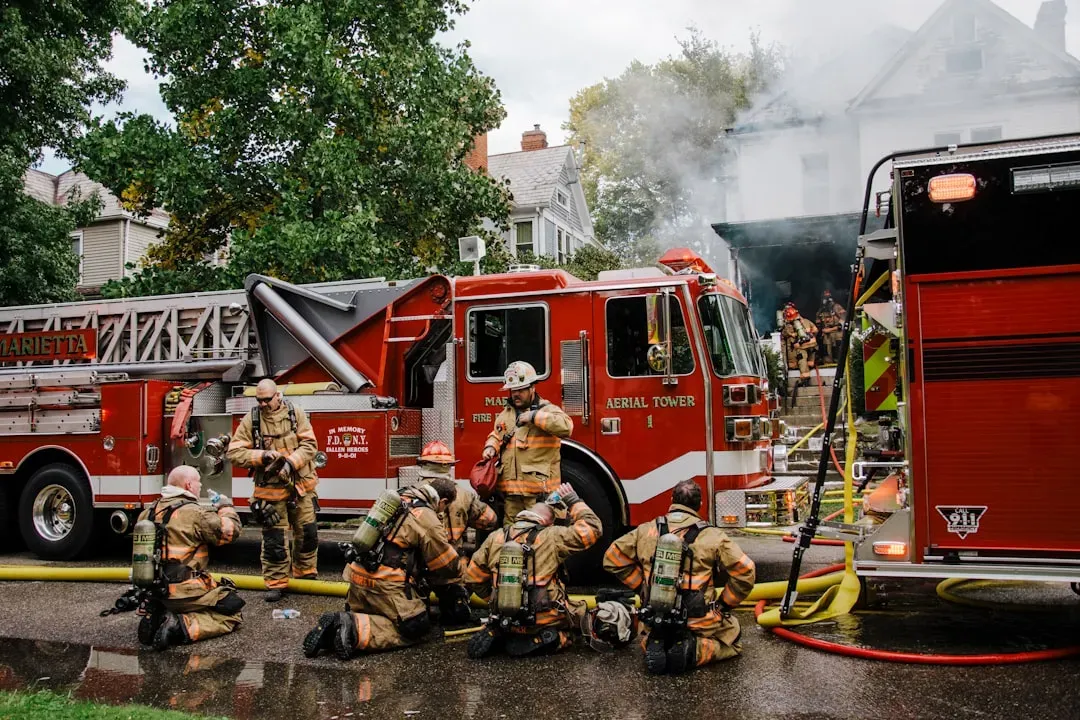
When disasters strike, Texans mobilize like few others. The Red Cross and FEMA data consistently show Texas leading in volunteer recruitment during emergencies and natural disasters. Thousands of volunteers sign up to help with shelter operations, food distribution, and recovery efforts whenever storms, floods, or other crises hit communities. This neighbor-driven response system means that when someone loses their home to a tornado or hurricane, fellow Texans show up with supplies, labor, and emotional support to help them rebuild their lives.
7. Wisconsin: The Mutual Aid State
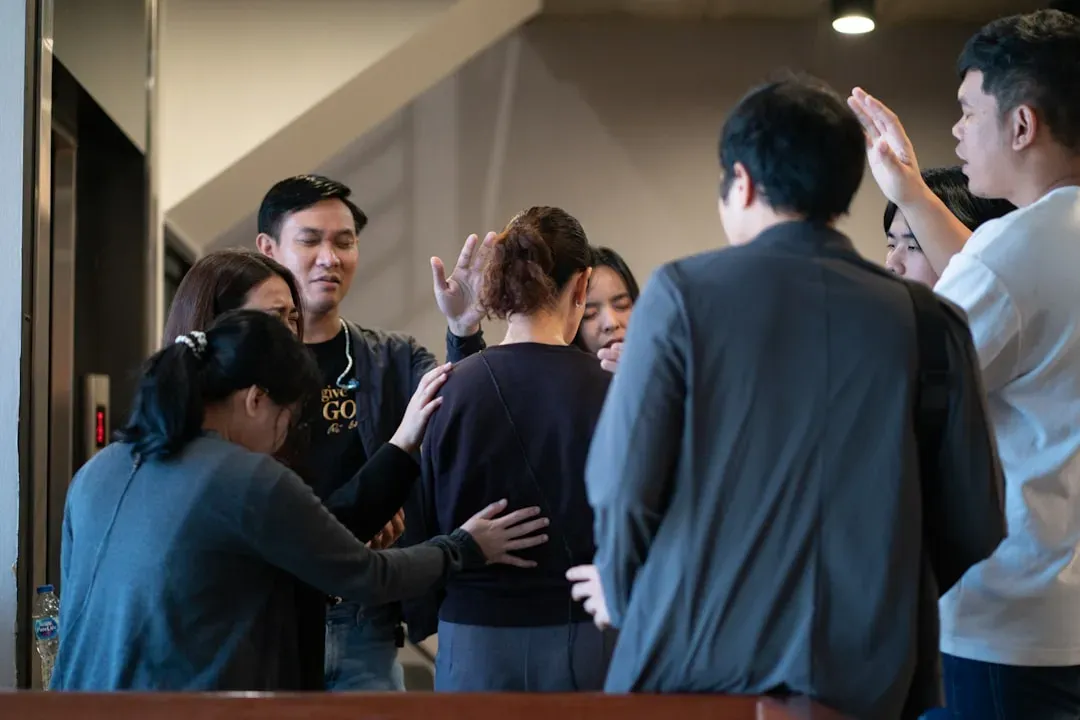
Wisconsin residents have built strong traditions of exchanging favors and resources within their neighborhoods. Research from state universities shows people frequently help each other with home repairs, childcare, and running errands without expecting formal compensation. This culture of mutual aid creates safety nets that don’t depend on government programs or official charities. Instead, neighbors know they can count on each other when times get tough, whether that means borrowing tools or getting help shoveling snow after a winter storm.
8. North Dakota: Trust and Tight-Knit Communities
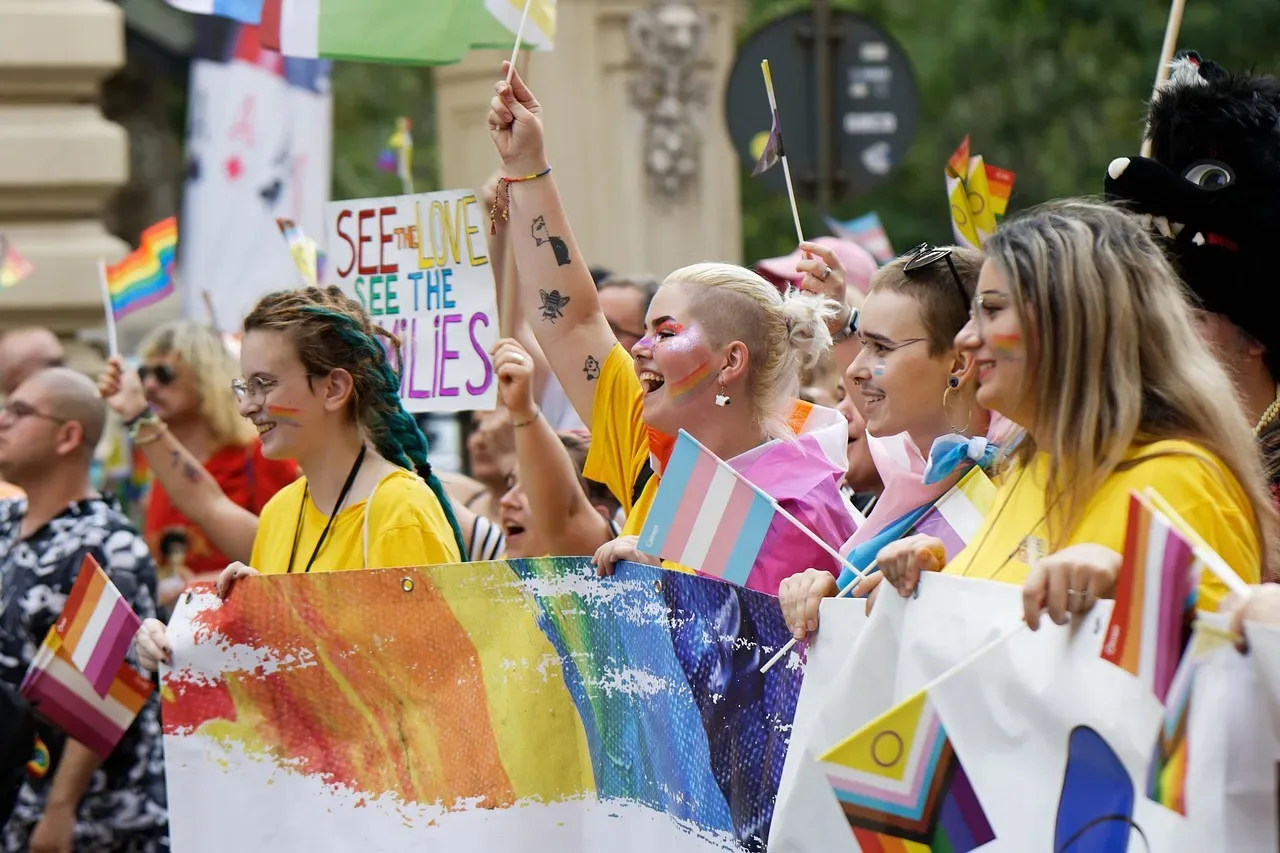
Social capital research consistently ranks North Dakota highly for trust between neighbors and community reliance. In smaller towns and rural areas across the state, people still leave their doors unlocked and watch out for each other’s properties. This high-trust environment makes it natural for residents to volunteer their time and offer assistance without hesitation. The state’s lower population density paradoxically creates stronger bonds, as people recognize their interdependence and the importance of maintaining good relationships with those around them.
9. Mississippi: Generosity Beyond Income
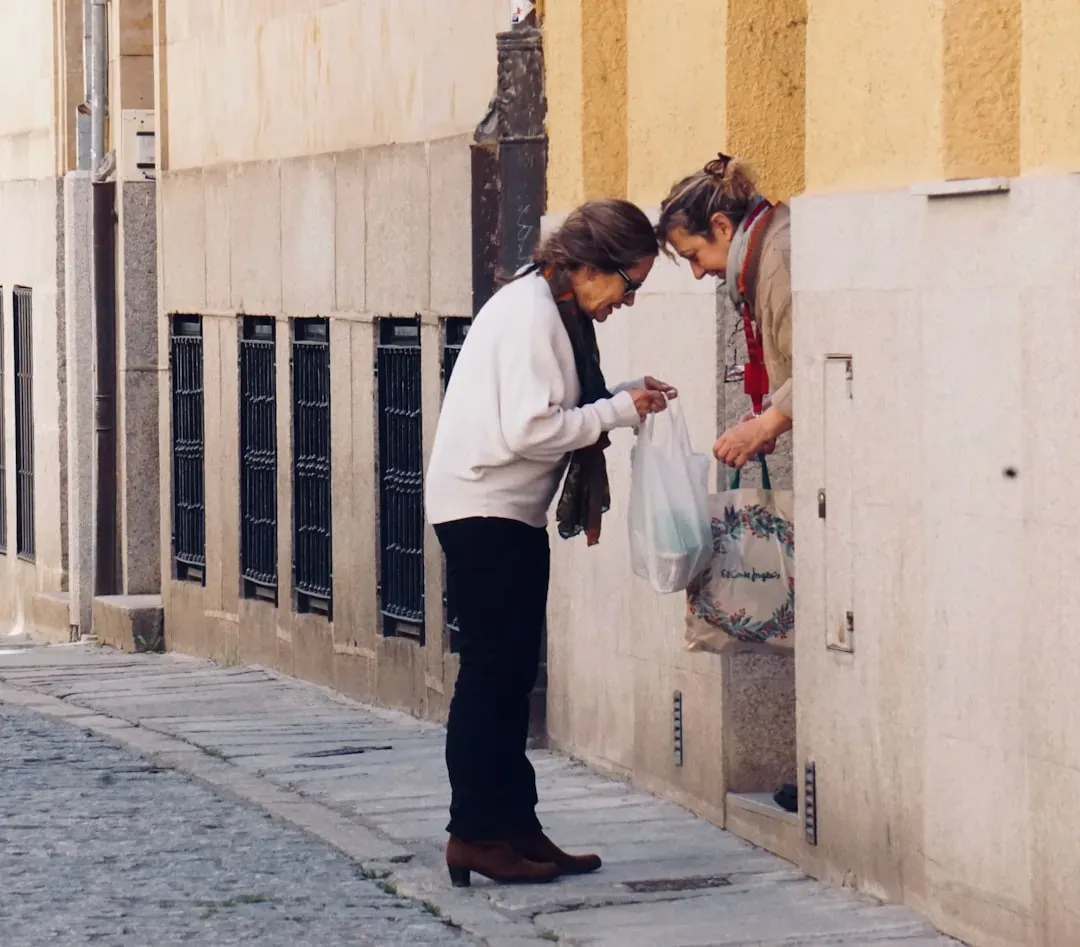
Mississippi proves that generosity isn’t about wealth. Despite having lower average incomes than many states, residents give a higher percentage of their earnings and time to help others. People prioritize community and faith-based support systems that strengthen neighborhood bonds. This demonstrates something important about the nature of generosity itself: it flows from values and culture rather than bank accounts. Mississippi residents understand that showing up for your neighbors matters more than how much money you can contribute.
10. Maryland: High-Income, High-Impact Giving
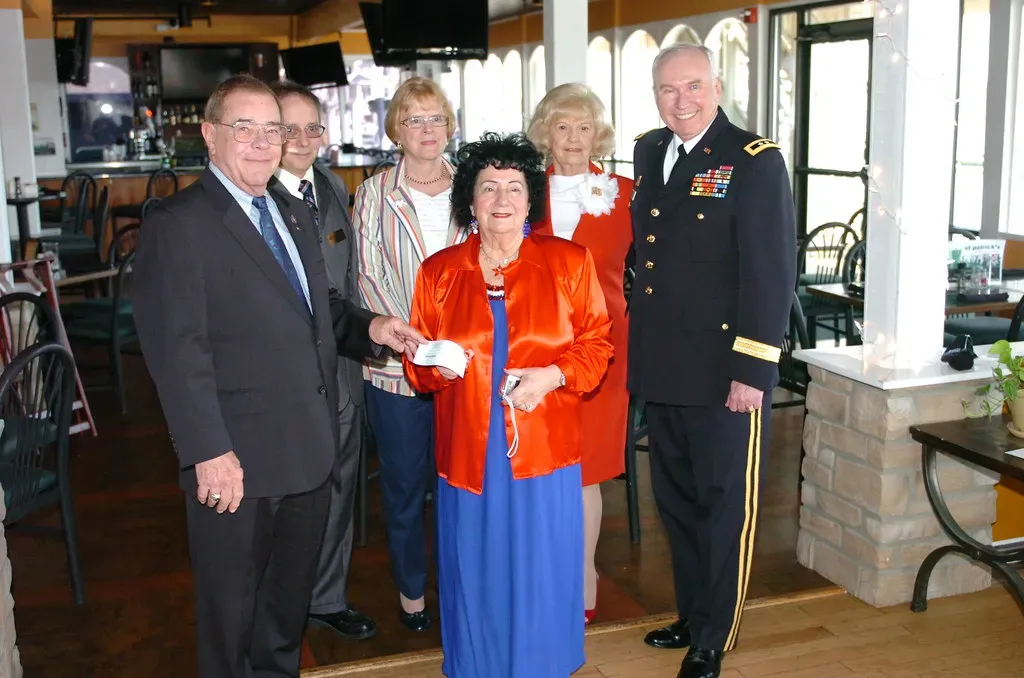
Maryland ranks as the third most charitable state with the highest percentage of taxpayers who donate money to charity at over 16%. The state combines financial resources with a culture of civic participation. Marylanders donate on average roughly 2% of their adjusted gross income. Beyond monetary contributions, residents actively search for volunteer opportunities and ways to support nonprofits. The combination of income and intention creates communities where neighbors have both the means and the motivation to help each other thrive.