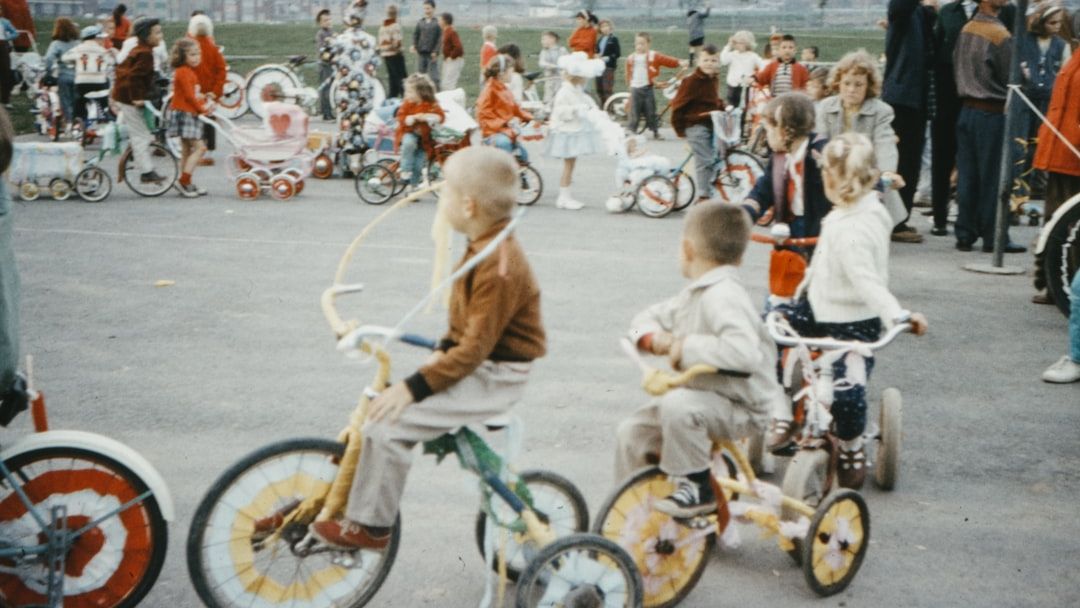

Something fascinating is happening in American homes right now. Parents who grew up watching Saturday morning cartoons and riding bikes until dark are reaching back into their own childhoods for parenting wisdom. The very approaches that defined the 1980s – firm boundaries, independent play, and clear expectations – are experiencing a revival that’s catching researchers and social observers by surprise.
It’s a shift that’s quietly reshaping how millions of families operate. After years of intensive parenting philosophies promising to solve every childhood challenge through constant involvement and emotional coaching, many moms and dads are reconsidering whether more might actually be less. The question isn’t whether old-school methods were perfect. They weren’t. It’s whether today’s parents can salvage the valuable parts while leaving behind what clearly didn’t work.
The Foundations That Never Went Away

Psychologist Diana Baumrind developed her influential parenting typology identifying authoritative, authoritarian, and permissive styles, creating a framework that researchers still use today. Later researchers Maccoby and Martin expanded the model to include a fourth category of neglectful parenting, rounding out the picture of how parents relate to their kids.
These categories matter because they help explain what worked in the 1980s and what’s being reconsidered now. Research consistently shows that authoritative parenting – combining high standards with warmth and responsiveness – produces the most favorable developmental outcomes, including psychosocial competence and academic achievement. Many 1980s households, whether parents knew it or not, operated somewhere in this space.
Nostalgia Meets Intention
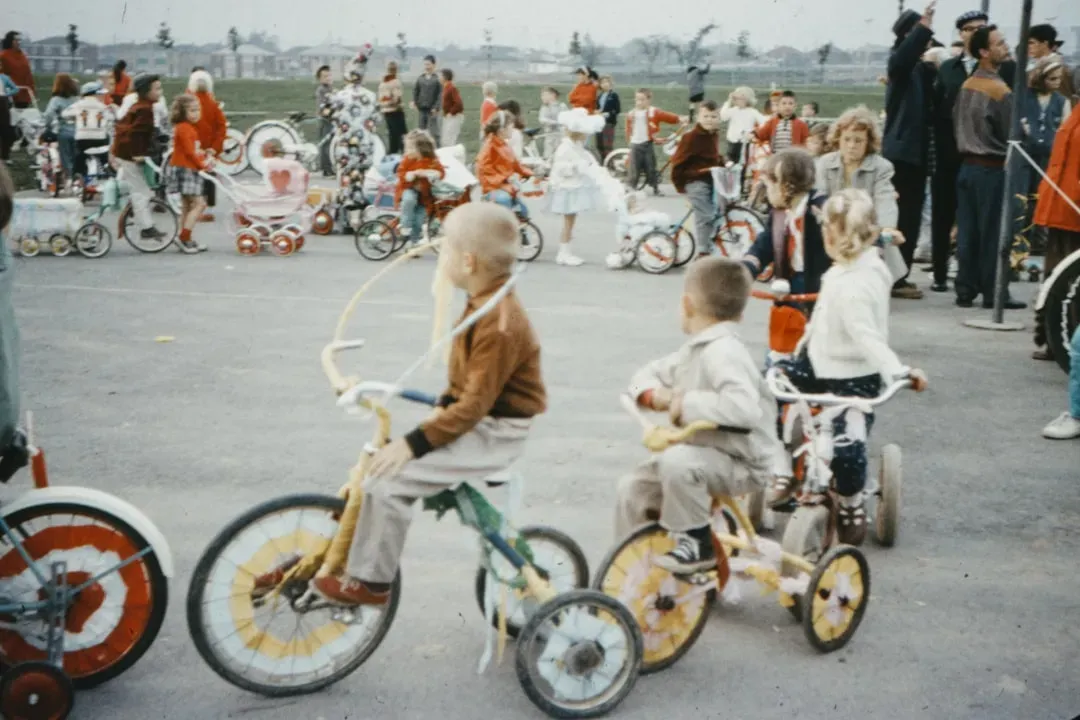
There’s a powerful emotional pull at work here. Adults reflecting on 1980s childhoods often remember feeling more resilient, independent, and free, and they’re now considering how to pass similar experiences to today’s generation. This isn’t just rosy reminiscence. University of Pennsylvania sociologist Annette Lareau describes the 1980s approach as “accomplishment of natural growth,” where parents provide food, safety, and love to facilitate self-directed childhood.
Children raised with this natural growth model tend to become more resilient and independent compared to those whose parents direct every detail of daily life. That comparison hits differently for millennial and older Gen X parents who remember organizing their own neighborhood games and solving their own minor crises. The contrast with today’s heavily scheduled childhoods feels stark.
When Gentle Parenting Isn’t Enough

Here’s where things get really interesting. Despite Gen Z being the first generation raised with gentle parenting in mind, only about one-third employ this approach as parents themselves, with many instead leaning toward cycle-breaking parenting. Roughly forty-three percent of Gen Z parents believe gentle parenting works only in some situations, while thirty-eight percent say there’s a time and place for it.
The majority of Gen Z parents prioritize preparing children for the real world, while most millennial parents focus on supporting mental and emotional well-being. This divergence reveals something crucial: younger parents are questioning whether empathy alone builds the skills kids need. The 1980s offered a different formula – clear consequences paired with less hovering – and that’s drawing renewed attention.
Free Play Makes Its Comeback

Walk through any suburban neighborhood on a weekday afternoon and you’ll notice something. Kids aren’t outside. In past decades, children had more freedom to play outside and explore neighborhoods without constant supervision, and screen time was naturally limited. That’s changed dramatically, but not everyone’s happy about it.
Research spanning nearly five decades suggests that lack of opportunities for unstructured, imaginative play can prevent children from growing into happy, well-adjusted adults, with free play critical for becoming socially adept, coping with stress, and building problem-solving skills. Studies show play’s benefits include improved language, problem-solving, and math skills, with certain imaginative play types improving perseverance.
Modern parents are catching on. Research suggests children need at least sixty minutes of free play daily, yet many kids today get far less. The 1980s default of sending children outside to play now requires deliberate parental effort, making what was once automatic now intentional.
Boundaries Are Back in Style

The pendulum is swinging. Parents in the 1980s maintained serious boundaries – closed doors stayed closed unless it was an emergency, and children didn’t interrupt adult conversations. These weren’t miracles of good manners but reflected different expectations for children and clearer lines about respecting those boundaries.
The vast majority of parents today – eighty-six percent – have rules around when, where, or how children can use screens, signaling a return to structure. Nearly half of parents rely on screen time daily to help manage parenting responsibilities, but they’re increasingly uncomfortable with that reality and seeking alternatives reminiscent of earlier decades.
It’s telling that boundary-setting around technology mirrors the household rules of the 1980s. Different tools, same principle: adults establish expectations, children learn to operate within them.
Chores and Real-World Competence
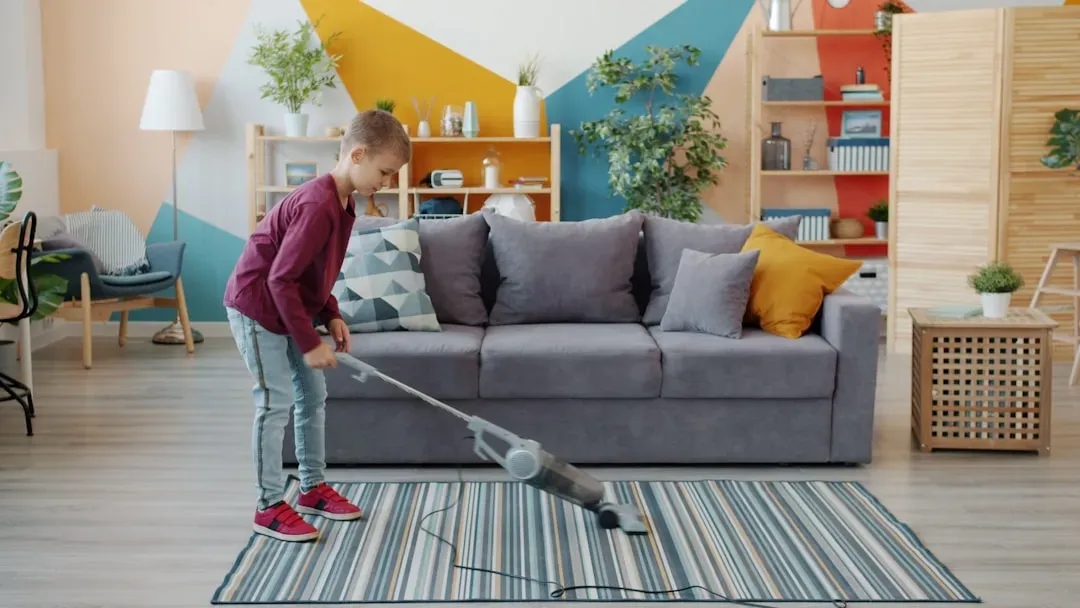
For 1980s kids, everyday tasks and chores were simply things kids did, offering opportunities to gain confidence through regularly figuring things out independently. Contrast that with today, where many parents hesitate to assign age-appropriate responsibilities, worried about burdening children or interfering with packed schedules.
Eighties parents taught children to look to hand-me-downs, creativity, or age-appropriate jobs to earn what they wanted, providing knowledge and skills about the value of money that served children well into the future. This wasn’t about deprivation. It was about building capability and understanding consequences.
The renewed interest in assigning chores and letting kids contribute to household functioning isn’t punishment. It’s recognition that competence builds confidence, and confidence comes from doing real things that matter.
Room for Failure and Growth

Being a child in the 1980s meant becoming familiar with failure – doing your own projects, playing sports, having performances where sometimes things went well and sometimes they didn’t, sometimes getting a trophy and often not. Nobody celebrated participation for its own sake quite like today.
Modern “lawnmower parents” who want to remove obstacles from children’s paths contrast sharply with 1980s expectations, where kids had to be stronger and push harder when things got difficult, resulting in children who figured things out and learned to cope. There’s accumulating evidence that shielding kids from all disappointment doesn’t prepare them for adult realities.
The revival of letting children experience manageable setbacks reflects growing awareness that resilience isn’t taught through lectures. It’s built through experience.
Unstructured Time as Luxury

The 1980s and 1990s parenting style involved less pressure on children to succeed academically or in extracurricular activities, while today children are often overscheduled, which can lead to stress, burnout, and mental health issues. In past decades, parents didn’t overschedule children’s time and often left them to their own devices, especially by school age, so long as homework was done.
Parents in the 1980s didn’t schedule playdates or activities to keep children occupied – that was up to the kids. Today’s parents are rediscovering that white space on the calendar isn’t neglect. It’s developmental opportunity.
When Egalitarian Goes Too Far

Today’s parenting takes a very egalitarian approach, both in shared responsibilities of two-parent households and in the partnership approach parents take with children, with many longing for healthy adult relationships with their children and parenting more consciously with that goal in mind. That’s generally positive. The issue arises when partnership slides into children having equal say in decisions they’re not equipped to make.
Some parents feel that flattening the parent-child hierarchy has weakened discipline and consistency in expectations. The 1980s approach wasn’t about authoritarianism. It was about adults being comfortable with their authority, making decisions, and expecting compliance within reason.
The question isn’t whether to respect children or value their input. It’s about whether parents are confident enough to lead.
What’s Actually Being Left Behind

Let’s be clear about what’s not coming back. If you grew up in the 1980s, you probably remember sitting in cars while parents smoked, with cigarette smoke everywhere including restaurants and airplanes, and secondhand smoke is now known to be directly linked to asthma, ear infections, and sudden infant death syndrome. Nobody’s advocating for that.
Car seat standards, helmet laws, and basic safety measures exist for good reasons. The revival of 1980s parenting isn’t about abandoning what we’ve learned. It’s about extracting the beneficial elements – independence, clear expectations, unstructured time – while keeping modern understanding of child development and safety.
Physical punishment has declined dramatically, and rightly so. But the principle of clear consequences and accountability persists in revived philosophies, often reframed as positive discipline with firm boundaries.
The Digital Difference

A 2024 study found that one of the strongest predictors of a child’s screen time is a parent’s screen time, highlighting how modeling remains crucial. Children ages eight to twelve in the United States now spend an average of four to six hours daily on screens, while teens spend up to nine hours. This wasn’t a factor in the 1980s.
More than half of parents have felt their child is addicted to screens, driving interest in 1980s-style boundaries around technology. The tools are different, but the philosophy is familiar: parents set limits, children learn to function within them, and family time happens without digital interference.
Gen Z adults planning to become parents expect to allow about an hour less screen time daily than they had growing up and want their kids to wait until nearly fifteen to join social media. That instinct to impose stricter boundaries than they experienced echoes 1980s parenting sensibilities.
Community and Connection

The 1980s and 1990s style allowed kids to develop a sense of community, with children commonly playing outside with friends and neighbors for hours, which not only let kids socialize and form bonds but helped build neighborhood community in ways that benefit isolated modern families. Technology promised to connect us more. In many ways, it’s done the opposite for children.
Parents recognizing this are actively creating opportunities for neighborhood play and peer interaction without constant adult direction. It requires more initial effort – meeting neighbors, establishing trust, creating safe zones – but pays dividends in children’s social development.
Why Now

Several forces converge to make this moment ripe for 1980s revival. Millennial parents who experienced that childhood are now raising school-age kids. Gentle parenting fatigue is real, with many parents exhausted by constant emotional labor. Mental health awareness has created space to question whether hyper-involved parenting actually helps kids or creates dependency.
Parents in 1985 raised children the best they could without feeling guilty about their decisions, and one mother’s opinion that mattered was her own. Modern mothers constantly compare themselves to other moms and conclude they’re falling short, then try harder, only to see someone doing better on social media and try harder again.
The 1980s offer an escape from that exhausting cycle. Not because they were perfect, but because they operated under different assumptions about what children needed and what parents owed them.
Making It Work Today

The solution isn’t as simple as pushing kids out the front door and locking it – parents are trying to find a sweet spot between helicopter and free-range parenting, giving children autonomy and trust within safe and reasonable boundaries. Seven in ten parents choose parenting styles based on what their individual child needs rather than making one style work regardless of personality.
That flexibility matters. The revival isn’t about rigid adherence to how things were done. It’s about selectively adopting practices that research and experience suggest benefit child development: unstructured play, clear expectations, meaningful responsibilities, room for failure, and parental confidence in setting boundaries.
More than four in five parents agree there’s no one-size-fits-all approach to parenting, blending an average of three different styles. The most successful modern applications of 1980s principles involve adapting them thoughtfully to individual children and current contexts.
What’s happening across the United States isn’t simple nostalgia. It’s parents looking at outcomes – both their own development and current research – and making calculated decisions to incorporate elements that produced capable, resilient adults. The shock isn’t that these methods work. It’s that we nearly forgot them entirely. What do you think – could your family benefit from some old-school approaches?